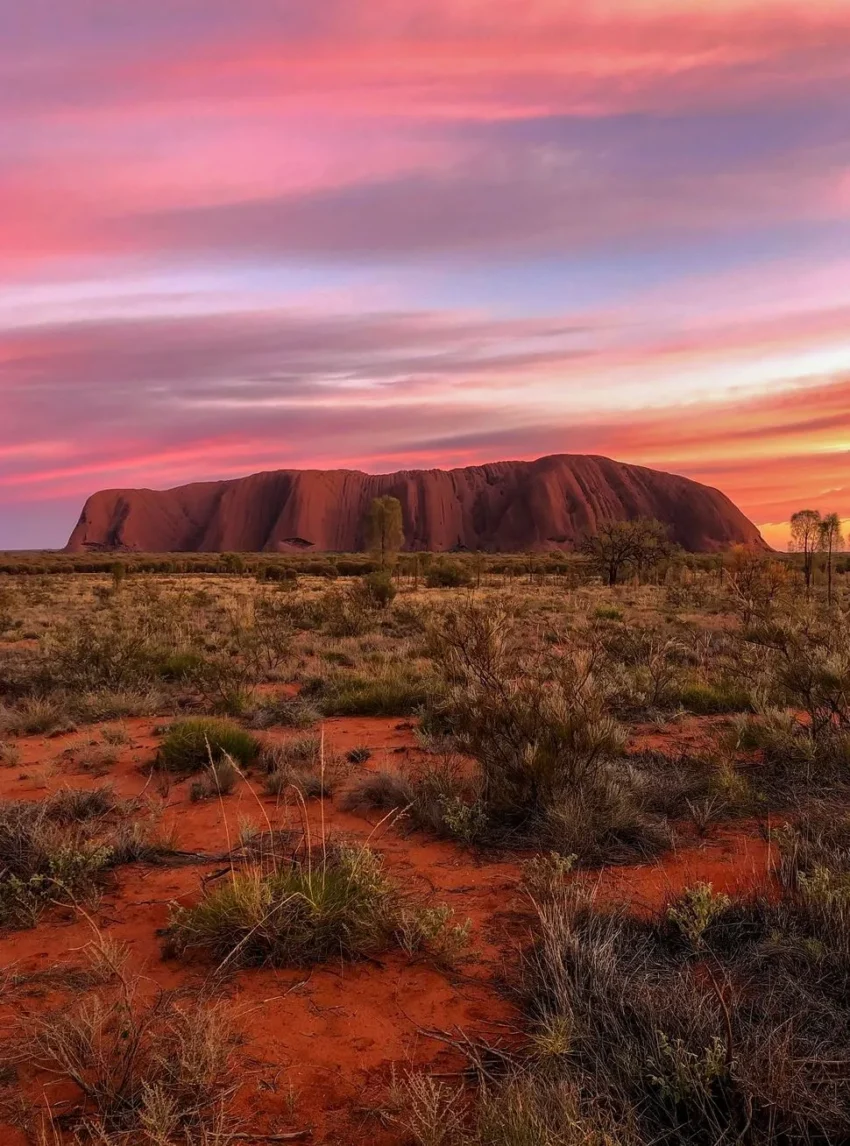
You’ve seen Uluru on postcards and guidebooks — but standing there in person? That’s a whole different story. In this 2025 guide to Uluru tour prices, I’ll break down what’s worth your money, what’s overpriced and a few insider tips from years of running tours through the Red Centre with Get Lost Travel Group and other local operators.
Whether you’re planning a sunrise viewing area visit, a base walk or a once-in-a-lifetime helicopter flight over the salt lakes, this will help you choose the right experience for your budget and travel style.
Why Every Dollar Counts in the Desert
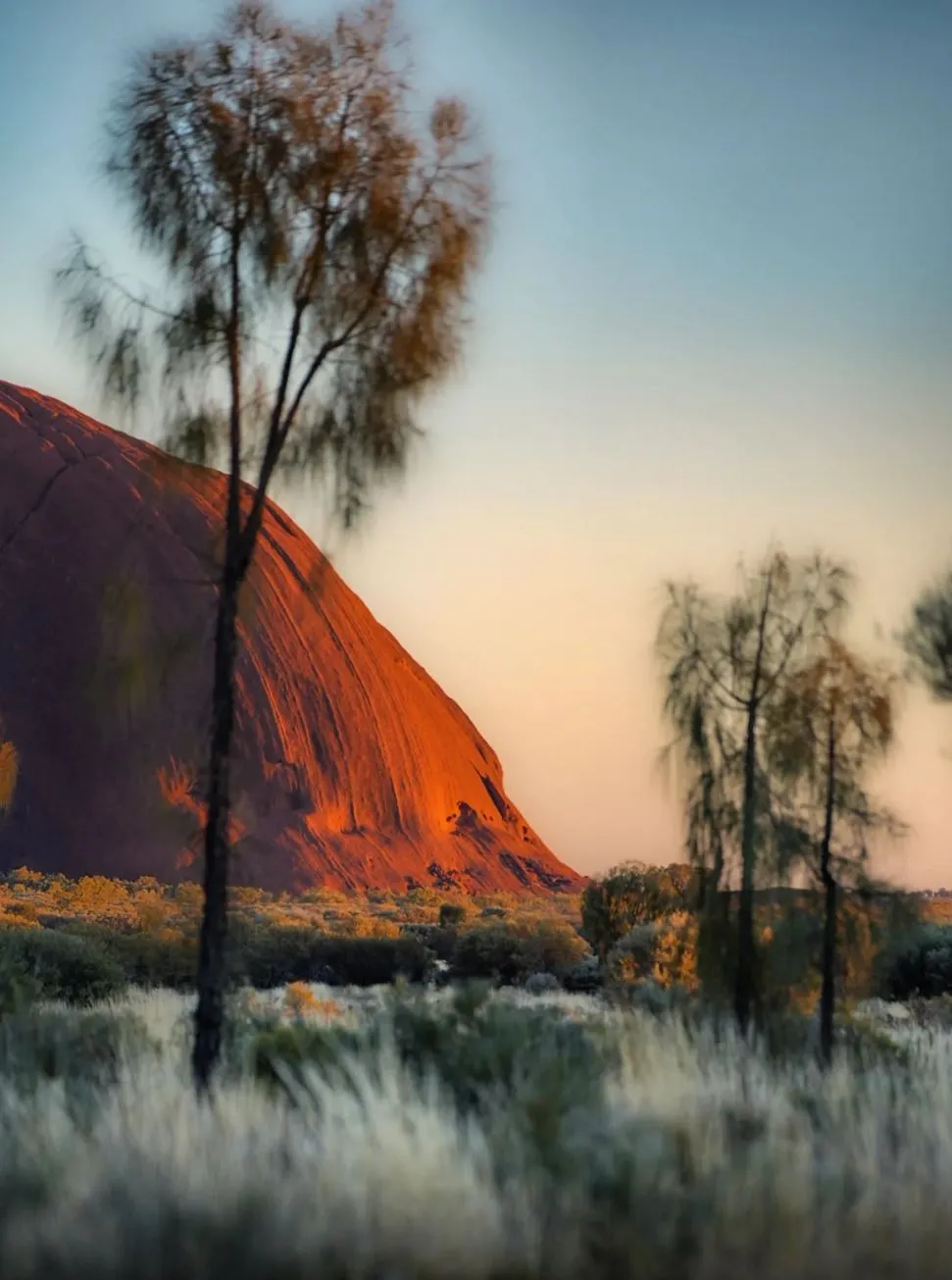
You can’t put a price on awe — but you can make sure you’re not paying through the nose for it. Uluru Ayers Rock Tours and other small-group operators focus on storytelling, comfort and timing rather than just ticking boxes.
A good tour doesn’t just shuttle you between lookouts in an air-conditioned coach — it brings you closer to the desert environment, local culture and Australian heritage that makes this place sacred. You’ll hear stories that stretch back tens of thousands of years and learn what it really means to travel on Country.
And yes, a few extra bucks often means a better guide, fewer crowds and snacks that aren’t half-melted.
What to Budget for a 2025 Red Centre Trip
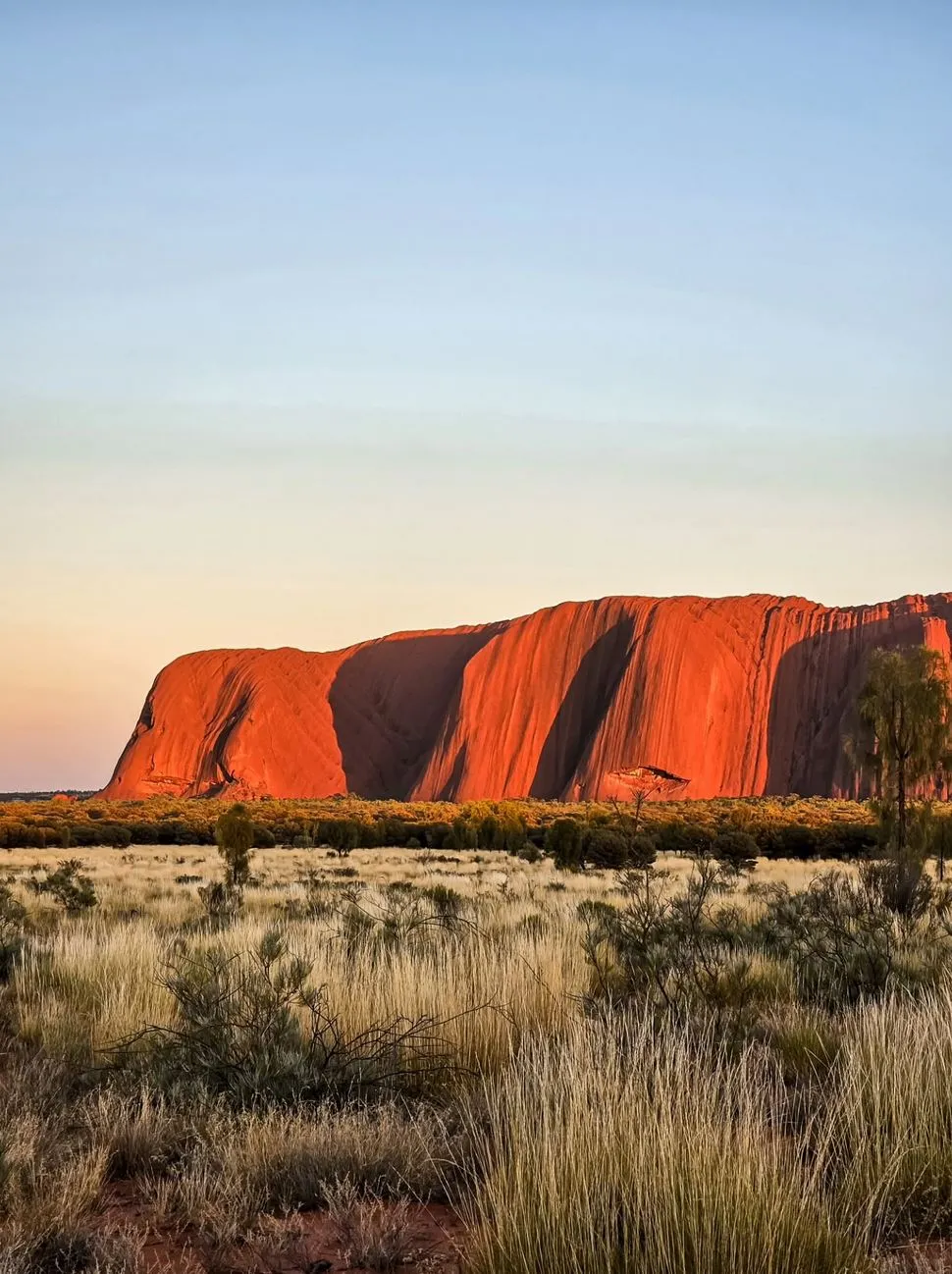
Here’s a look at average 2025 prices for popular tour types based on rates from Uluru Tours, Get Lost Travel Group and other local operators.
| Tour Type | Average Cost (AUD) | Duration | Typical Inclusions |
|---|---|---|---|
| Sunrise Coach Tour | $95 – $140 | 2–3 hrs | Air-conditioned coach, park entry, coffee or tea at the sunrise viewing area |
| Sunset Tour | $110 – $160 | 2–3 hrs | Guide commentary, picnic setup, sparkling wine |
| Base Walk Tour | $140 – $180 | 3–4 hrs | Guided 10.6 km walk, cultural sites, water stops |
| Segway Tour | $170 – $220 | 2.5 hrs | Segway hire, helmet, guide, photos |
| Helicopter Flight | $285 – $700+ | 15–60 mins | Scenic flight over Uluru and Kata Tjuta, commentary |
| Field of Light Dinner | $310 – $400 | 4 hrs | Gourmet dinner, sunset dreaming stories, art installation |
| Multi-Day Package | $650 – $1,200 | 2–3 days | Accommodation, meals, tours, transfers |
Prices will jump slightly during the dry season (June to August) by around 10–20% when sunset coincides with cooler evenings and the crowds arrive.
Sunrise Tours: Beating the Heat and the Rush
There’s nothing like watching the first light hit the rock. The golden hour at Uluru is short but sweet — colours go from deep purple to fiery red to ochre.
Most sunrise tours ($95–$140) start around 5 am. You’ll be bundled into an air-conditioned coach, coffee in hand, and headed to the sunrise viewing area before the first light cracks. Bring a warm jumper — mornings in the desert can be colder than you think.
If you want to stretch the morning, combine sunrise with a base walk tour. It’s a great way to make the most of the cooler hours before the flies wake up.
Pro tip: Bring a proper camera lens. The light changes fast, and phone cameras don’t capture how wild those colours are.
Sunset Tours: Red Wine, Red Rock, and Sunset Dreaming
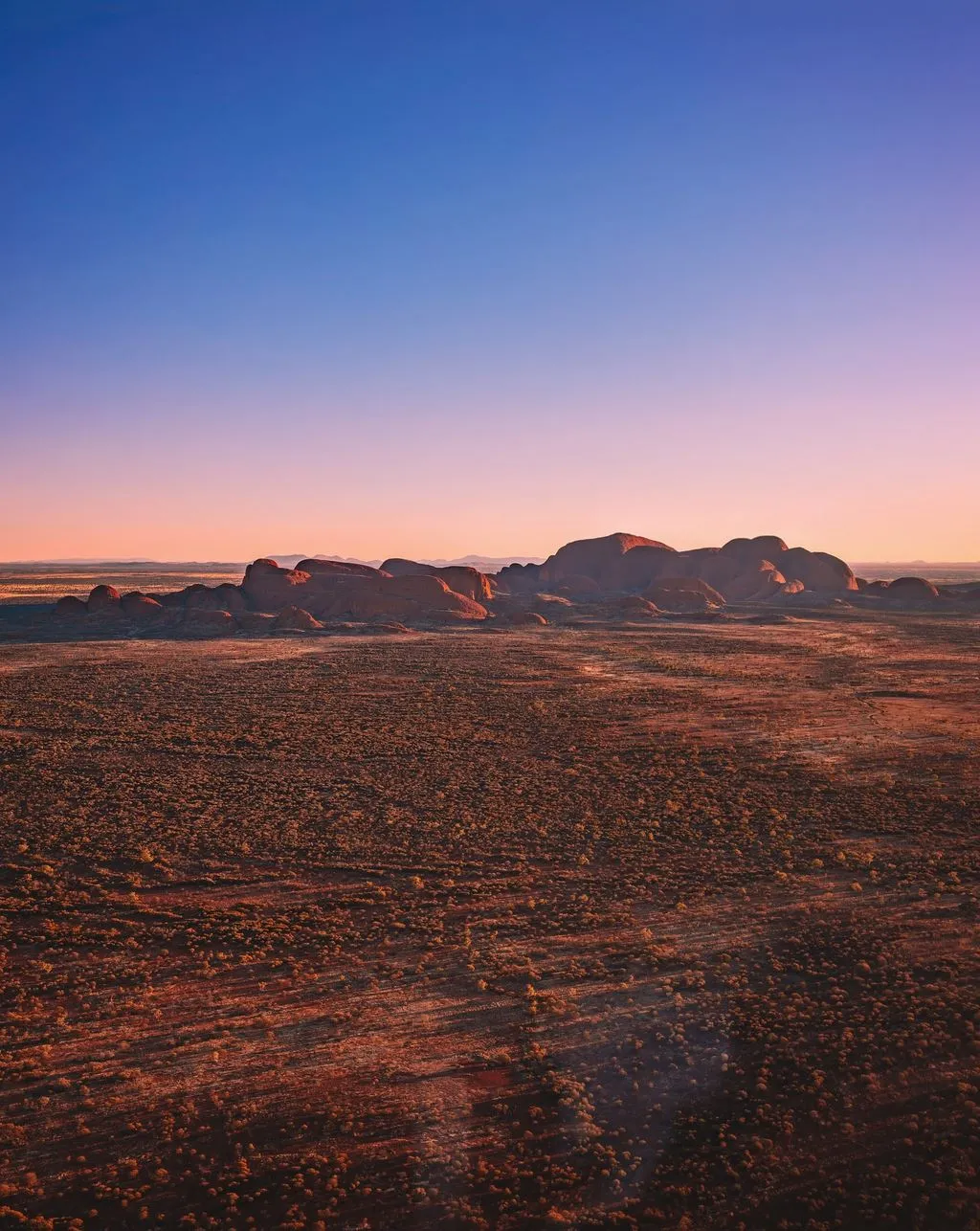
Evening tours are just as magical. Watching the rock glow under the fading light while sipping Inscription Gin or local sparkling is outback heaven.
Prices range from $110 to $160. Most include commentary, snacks and access to prime viewing areas away from the crowds. The best tours combine comfort with storytelling — a few even have sunset dreaming sessions led by Indigenous guides.
Top-end packages like “Tali Wiru” or “Sounds of Silence” cost $350–$400. You’ll dine under the stars, sample outback bush foods and enjoy a gourmet dinner that rivals anything in Melbourne. Expensive, yes — but unforgettable.
Base Walk Tours: The Rock Up Close
Uluru’s base walk isn’t just exercise — it’s a pilgrimage of sorts. The full 10.6 km circuit takes you through caves, waterholes and ancient art sites.
Guided tours ($140–$180) usually start early to avoid the sun. The pace is steady, the commentary rich and the experience grounding. Many guides explain sacred sites, language names and why some areas are off-limits.
You’ll need sturdy shoes, a hat, sunscreen and about 2 litres of water. The facilities are basic, but that’s the charm — it’s just you, the rock and the red dust.
Segway Tours: A Modern Spin on Ancient Land
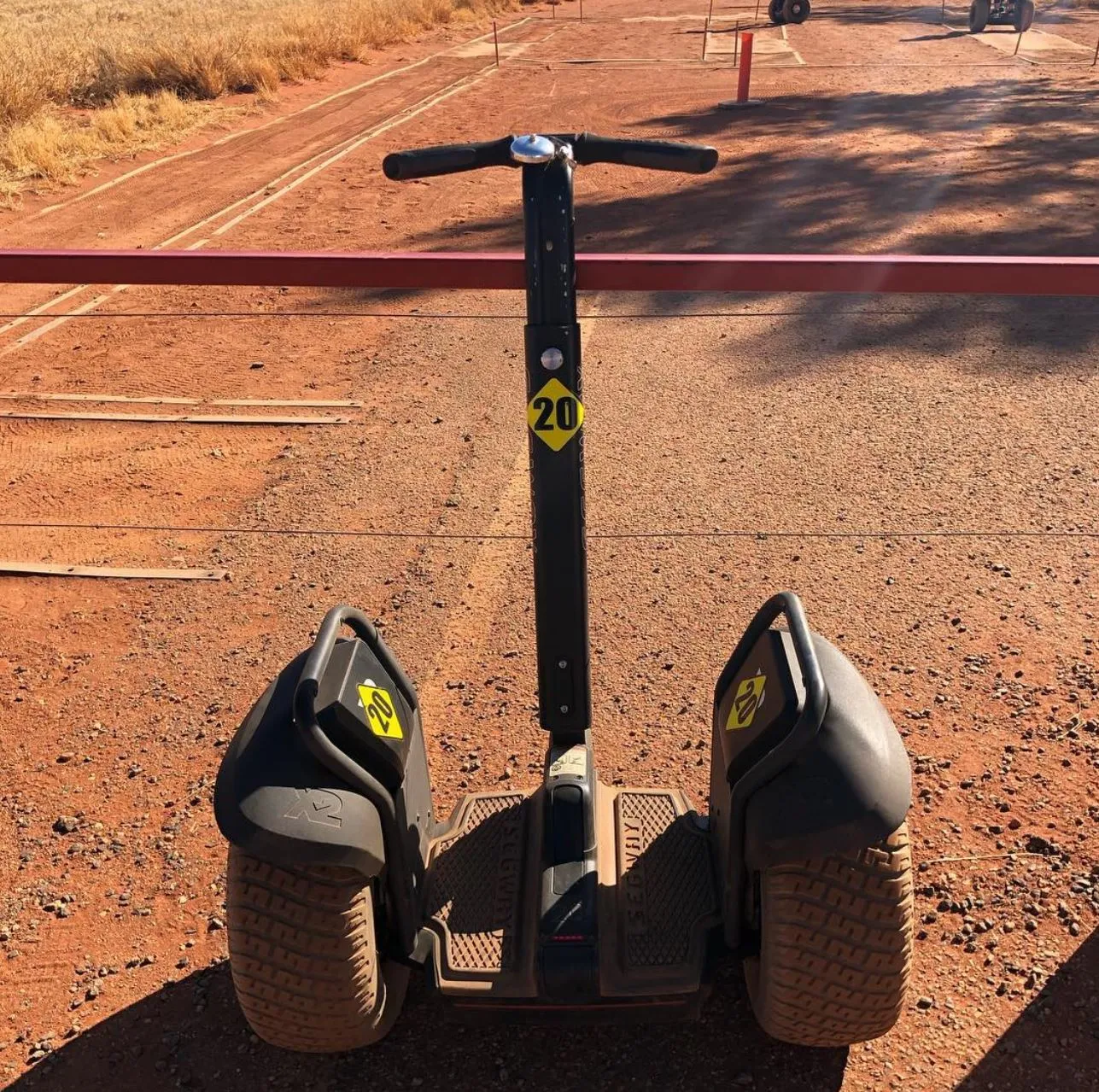
Not into walking? Segway tours are an unexpected but surprisingly respectful way to circle Uluru.
Prices range from $170 to $220, depending on inclusions. Small groups and an easy pace. Guides ensure no disturbance to sensitive sites. You’ll glide across red sand tracks and stop for photos where it’s culturally appropriate.
Many operators — including Uluru Ayers Rock Tours — now offer interest-free instalments through major payment providers, which helps if you’re planning multiple experiences in one trip.
Helicopter Flights: The Big Picture
From above, Uluru’s size and symmetry make sense. The view stretches beyond the rock to salt lakes and distant mountain ranges that shimmer in the heat haze.
Short flights (15 minutes) start at around $285, longer scenic loops that include Kata Tjuta and Lake Amadeus climb past $700.
It’s not cheap, but it’s the best way to appreciate this country. And from a photographer’s perspective, you’ll get angles impossible from the ground — the kind that turn heads on social media.
Luxury Experiences: Design, Art and Dining in the Desert
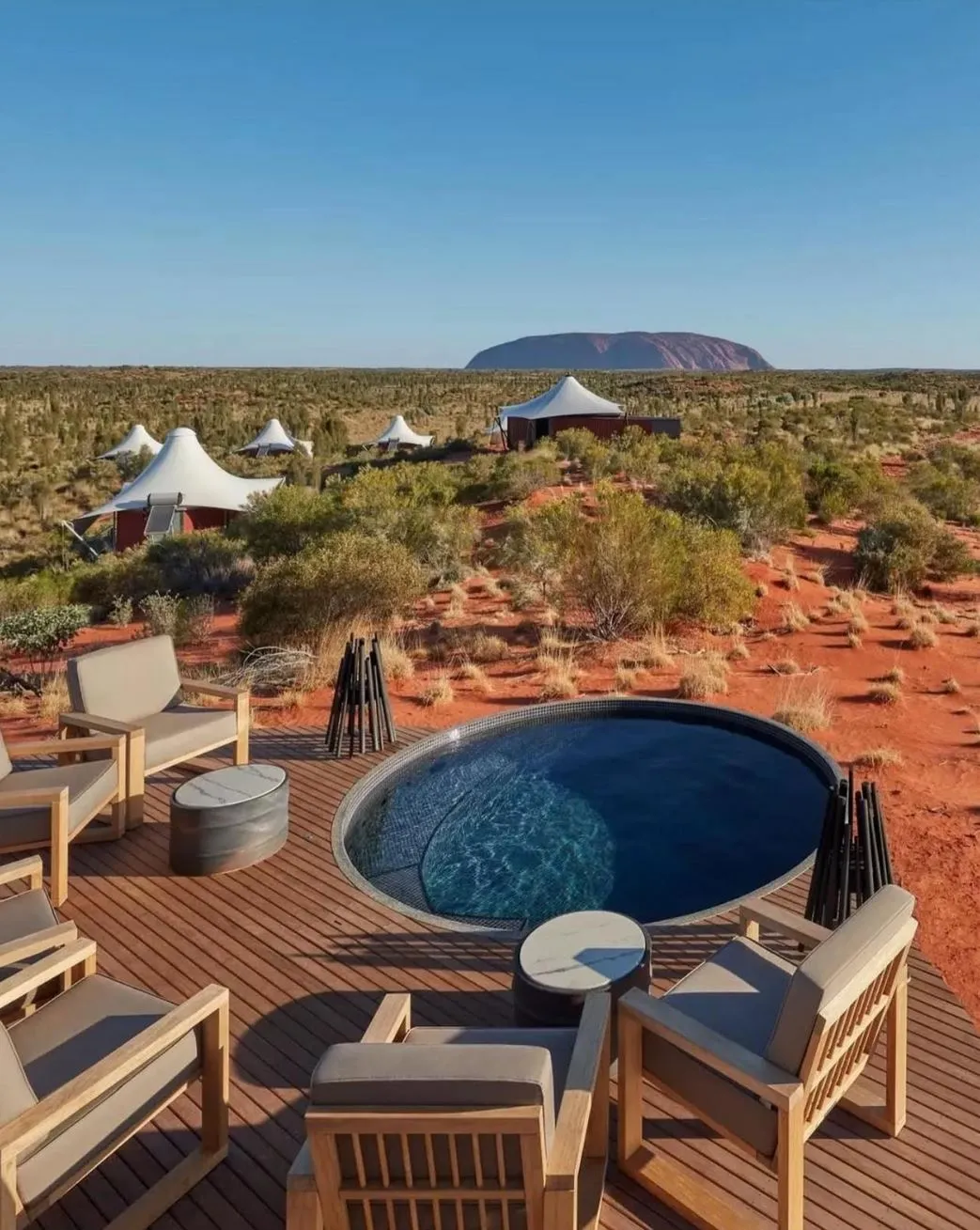
If you prefer a bit of style with your sand, Uluru’s luxury tour scene is booming.
High-end tours now blend art, design and cuisine. Expect sculptural furniture, pop-up bars stocked with Inscription Gin and stargazing lounges that look like they’ve been plucked from a design magazine.
The nearby Yulara precinct also has public sculptures celebrating local stories. Experiences like those by Island Life Adventures fuse art, food and storytelling into immersive evenings that still respect the landscape. Just as long as you’re willing.
Cultural Guidance and Respect for Country
The Anangu people are the Traditional Owners of Uluru, and all legitimate tour operators work with them to ensure cultural sensitivity. Climbing the rock was closed in 2019, but that has opened up space for deeper learning and understanding.
Tours led or endorsed by Anangu guides share stories from Tjukurpa — the spiritual Law that governs life here. These aren’t just myths; they’re teachings about connection, responsibility and respect. Listen, don’t interrupt, and you’ll learn more than any brochure can tell you.
Smart Booking Tips
- Book early: Especially for sunrise and sunset experiences, May to August.
- Check your travel insurance: It’s essential — delays, weather or medical issues in the outback can cost a fortune.
- Pack right: Fly net, sunscreen and layers. Mornings are freezing; afternoons, scorching.
- Stay hydrated: Always carry water, even on short walks.
- Use flexible payment options: Many tours accept instalments through Afterpay, Zip and others.
- Confirm pick up points: Most tours depart from Yulara or Ayers Rock Resort — not the airport.
Beyond the Rock: Red Centre Highlights
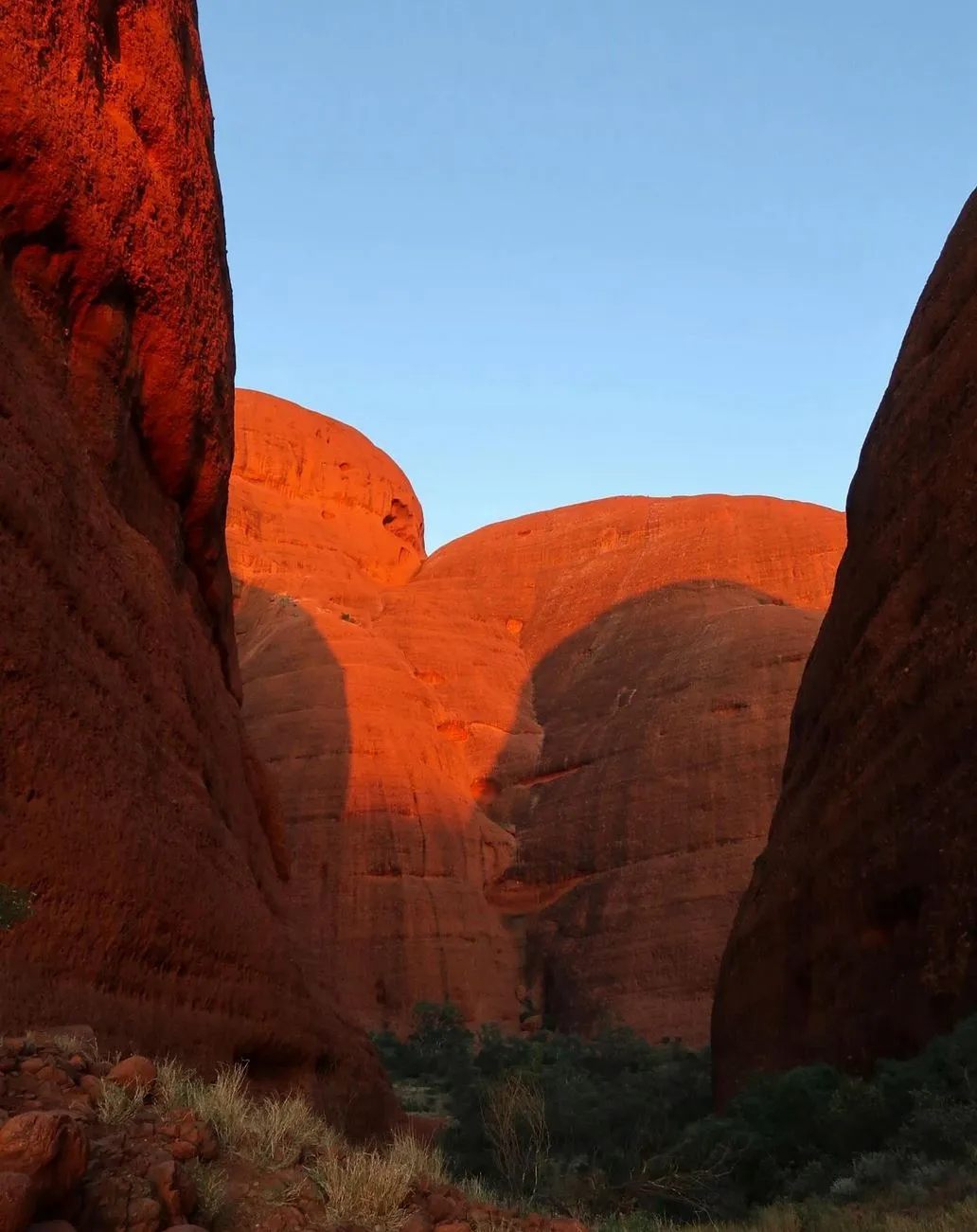
If you’ve made it this far, keep going. The Red Centre is bigger than one rock.
Drive west to Kata Tjuta for domes that glow orange at dawn, or head north to Kings Canyon — the rim walk there is one of the best hikes in Australia.
Out on the Stuart Highway, you’ll hit roadhouses serving outback bush foods, like camel burgers or quandong pie. It’s the heart of Australian heritage — rugged, raw and welcoming in its own way.
Capturing the Moment Without Losing It
It’s easy to get caught up in taking the perfect shot, but Uluru rewards those who slow down. The rock changes minute by minute — you’ll see purples, reds and ambers that no filter can match.
Take a few shots through your camera lens, sure, but don’t forget to just watch. Let the wind blow through the spinifex and the silence wrap around you. That’s the memory that sticks, long after the likes fade.
Final Reflection: What You’re Really Paying For
At the end of the day, a trip to Uluru isn’t about deals — it’s about connection. Whether you’re on a $95 coach or a $700 chopper, the value is in the perspective.
Small-group operators like Uluru Ayers Rock Tours and Get Lost Travel Group deliver quality, comfort and a genuine respect for Country. You’re not buying a product — you’re joining a story that’s been unfolding for thousands of years.
So grab your hat, check your travel insurance and remember — the desert doesn’t do half-measures. It gives back exactly what you bring to it.
FAQ
How much do Uluru tours cost in 2025?
Sunrise and sunset tours start at $95, base walks and Segways $140–$220, and helicopter flights $285–$700+.
Are Uluru tours family-friendly?
Yes. Most Uluru tours welcome kids 5+ and offer family pricing. Segway and flight tours have age or height restrictions.
Do I need to pre-book tours?
Yes. Dry season (May–September) sells out fast, especially sunrise, sunset and dining experiences.
Should I get travel insurance for Uluru?
Yes. Remote-area coverage is essential. Even minor delays or medical needs can be expensive without it.
What’s the best time to visit Uluru?
May to August — mild days, cool nights and perfect for walking and photography.