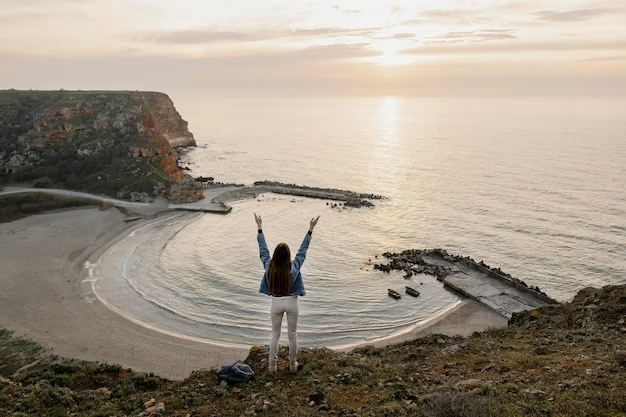
The picturesque province of Nova Scotia, with its rugged coastlines and enchanting landscapes, beckons travelers to embark on a road-tripping odyssey. However, before setting off on this adventure, many wonder: how long does it take to drive around this maritime gem? The answer isn’t straightforward, as it significantly depends on the chosen routes and the number of stops, but a comprehensive drive around the province can take anywhere from 5 to 10 days.
Positioned on Canada’s eastern edge, Nova Scotia offers a network of well-maintained highways and roads that meander through historic sites, vibrant communities, and natural wonders, which answers the call of discovery for those asking, “what is the best place to stop along the trail?” Each road taken can lead to a fulfilling stop that enriches your journey exponentially.
The Lay of the Land
Navigating Nova Scotia is largely intuitive, courtesy of its central highway, the 104, which runs from end to end. The province is characterized by a mix of serene valleys, rolling hills, and a jagged coastline that stretches for over 7,400 kilometers. When planning your journey, it’s crucial to consider not just the destination but also the stunning vistas and unique experiences along the way. After all, it’s the spontaneous detours and roadside attractions that often make for the most memorable adventures.
Starting Point: Halifax
Halifax, the bustling capital city, makes for the perfect launch point of your Nova Scotian road trip. It’s where most people land and an ideal spot to get acclimated to the Atlantic vibes. Take a day or two to explore the rich maritime history, savor the local seafood, and tour the famed Citadel before hitting the road. From here, a loop around the entire province stretches roughly 300 kilometers, enveloping you in a journey through seafaring towns, indigenous culture, and Canadian wilderness.
The Main Routes Around Nova Scotia
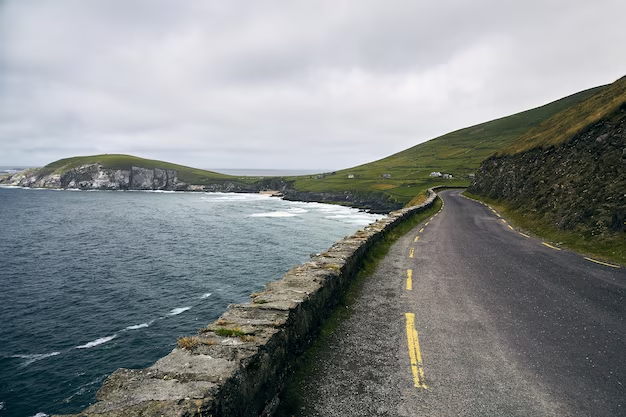
Driving around Nova Scotia is an opportunity to follow the rhythm of the Atlantic Ocean, with several scenic routes highlighting the province’s diverse heritage and landscapes.
The Lighthouse Route (South Shore)
The name itself paints a vivid picture; the Lighthouse Route is adorned with iconic beacons guiding sailors home, and land travelers on a course through enchanting locales. Meandering along the South Shore, this route takes you past the historic town of Lunenburg, a UNESCO World Heritage site with a waterfront that’s a must for any camera roll, and Peggy’s Cove, home to one of the most photographed lighthouses in the world. For those seeking advice on “what is the best place to stop along the trail,” these spots offer a compelling blend of beauty and history.
The Cabot Trail (Cape Breton Island)
A legendary loop, the Cabot Trail encircles Cape Breton Island and serves up a feast for the senses. With the highlands on one side and the Gulf of St. Lawrence on the other, this trail promises vistas that are nothing short of majestic. Indulge in the cultural tapestry of the island, from the musical heartbeat of Celtic traditions to the whispers of the past at the fortress of Louisbourg. If you’re wondering “where does the Cabot Trail start and end,” it begins and completes its loop in the town of Baddeck, offering a journey that is circular both geographically and thematically, providing an immersive Cape Breton experience.
The Evangeline Trail (Annapolis Valley)
Journey through the heart of Nova Scotia’s agricultural basin on the Evangeline Trail, where verdant vineyards and fertile orchards unfold before you. Named after the heroine of Longfellow’s poem, the trail is steeped in Acadian history, and as you weave through the Annapolis Valley, the tale of resilience and heritage is palpable in every community you encounter.
The Marine Drive (Eastern Shore)
The Marine Drive is an invitation to discover some of Nova Scotia’s most secluded beaches and hidden coves. Dotted with fishing villages and coastal reserves, this lesser-traveled path allows for intimate encounters with the province’s rugged natural beauty, all the way from the bustling Halifax to the tranquil islands of Cape Breton.
Ideal Itineraries for a Nova Scotian Road Trip
Crafting the perfect itinerary balances exploration with relaxation, ensuring you see the best of Nova Scotia without feeling rushed.
The Weekend Warrior: Halifax and Surrounding Areas
For those short on time, a weekend trip that captures the essence of the South Shore is the way to go. Commence in Halifax and drive to the picturesque towns of Mahone Bay and Lunenburg, with their colorful waterfronts. Loop back via the tranquil Peggy’s Cove for a breathtaking view of the sunset against Peggy’s Point Lighthouse.
The Week-Long Wanderer: The Extended Coastal Drive
Seven days afford you the luxury to delve deeper into the province’s coastal beauty. Extend your journey from the South Shore to include the eastern delights of the Marine Drive. Take the opportunity to soak in the tranquil atmospheres of Sherbrooke Village and the surf-friendly Martinique Beach Provincial Park.
Timing Your Journey Around Nova Scotia
Distance and Duration Basics
Nova Scotia may appear small on the map, yet its roadways encompass an array of experiences that deserve unhurried indulgence. The actual drive time around the province, uninterrupted, takes approximately 20 hours. However, to truly capture the spirit of each route, extra time must be allocated for exploration.
Adjusting for Stops and Attractions
Enrich your journey by interspersing drives with pauses at the numerous attractions Nova Scotia offers. Whether it’s enjoying a lobster dinner in a fishing village, hiking in the Cape Breton Highlands, or sipping locally-produced wine, these stops elongate your journey but amplify its richness.
Seasonal Considerations
Take heed of the seasonal variations that impact travel times in Nova Scotia. Winter brings shorter days and potentially hazardous driving conditions, while summer sees longer daylight hours and a full bloom of tourist activity. Each season offers a distinct palette of experiences and should be factored into your itinerary planning.
Unmissable Destinations and Detours
When charting your drive around Nova Scotia, pinpoint destinations that promise lasting memories. Here’s a table highlighting some can’t-miss spots along with the routes they grace:
| Route | Must-Visit Destinations |
|---|---|
| Lighthouse Route | Peggy’s Cove, Lunenburg, Kejimkujik National Park Seaside |
| Cabot Trail | Cape Breton Highlands National Park, Louisbourg Fortress |
| Evangeline Trail | Grand-Pré National Historic Site, Hall’s Harbour |
| Marine Drive | Taylor Head Provincial Park, Memory Lane Heritage Village |
Natural Wonders and Parks
Nova Scotia’s natural tapestry features prominently along every route. The Bay of Fundy, with its world-renowned tides, boasts awe-inspiring coastal cliffs and bountiful marine life that you can witness on a boat tour or from a tranquil beach. Inland, Kejimkujik National Park offers a gateway to pristine wilderness and important Mi’kmaq cultural sites.
Historical Landmarks and Cultural Sites
The province is a living museum, teeming with historic forts, lighthouses, and churches that narrate the saga of Nova Scotia’s multi-layered past. Walking the streets of Old Town Lunenburg is like stepping back in time, with its vibrant facades and maritime heritage preserved for modern-day explorers.
Coastal Towns and Gastronomic Delights
Nova Scotia is a haven for foodies, serving up a smorgasbord of culinary experiences from fresh seafood to traditional Acadian dishes. The oceanside hamlets not only offer delicious dining options but also give a taste of local life, where stories and songs spill out of every pub and eatery. For those docking at Sydney, the list of “things to do in Sydney, Nova Scotia cruise port” is extensive, ranging from exploring the historic North End to engaging with the artisans at the local markets.
Finally, when considering “the best things to do in Sydney, Nova Scotia,” a visit to the Open Hearth Park or the Cape Breton Centre for Craft & Design will surely be fulfilling, showcasing the town’s commitment to community space and the arts. Whether by land or sea, Sydney captivates with its blend of natural beauty and cultural vibrancy.

Accommodations and Amenities Along the Way
Once the scenic routes have charmed you and the attractions have captured your interest, the next practical consideration is where to rest and refuel. Nova Scotia’s hospitality shines through its assortment of accommodations that range from charming bed and breakfasts to luxurious coastal resorts. When choosing the right places to stay, consider both the location and the experience you seek. Would you prefer waking up to the sound of waves along the Lighthouse Route or nestled within the lush greenery of the Annapolis Valley?
Dining options abound, offering a taste of the province’s rich maritime heritage. Local cuisine is a palate-pleasing journey with renowned seafood, farm-fresh produce, and traditional dishes like the Acadian rappie pie gracing menus. To immerse yourself in the true spirit of the region, seek out eateries that source ingredients locally and mix dining with storytelling.
For the road trippers, an important logistic to keep in mind is the location of fuel stations and rest stops. They are well-distributed along the main highways but can be sparser on the more remote routes. Pro tip: Always keep an eye on fuel levels and consider topping up even if you’re at half a tank when traveling through the less populated areas of Cape Breton or along the Marine Drive.
- Choosing the Right Places to Stay
- Bed and Breakfasts for local charm
- Resorts for luxury stays
- Campgrounds for adventure seekers
- Rental cottages for a home-away-from-home experience
- Dining and Local Cuisine Options
- Seafood restaurants serving the fresh catch of the day
- Homestyle eateries for a taste of local comfort food
- Wineries and orchards offering tastings and tours
- Farmer’s markets with local produce and artisanal goods
Practical Tips for Road-Tripping in Nova Scotia
Setting out on your Nova Scotian journey calls for some practical advice to keep your trip enjoyable and stress-free. Whether renting a car to travel at your own pace or driving your own vehicle, ensure you have the proper insurance and emergency roadside service for peace of mind. Road conditions across the province are generally good, though rural routes can have less maintenance. Always take care, especially on the coastal paths that can be prone to fog and the highland roads that can become misty.
Keep connectivity and navigation in mind. While much of the province has good cell service, there are patches, especially in remote areas, where it may be wise to have a backup paper map or offline GPS. Downloading necessary apps or preparing lists of places to visit beforehand can save you from connectivity hitches.
Not to be overlooked is road safety, which includes being aware of wildlife crossings, especially in the more rural and forested parts of the province like Cape Breton Highlands National Park. Take heed of posted speed limits and always drive according to the weather conditions, which can change swiftly in maritime climates.
Capturing the Adventure: Photography and Memories
Nova Scotia is a photographer’s paradise, each turn bringing into view something more picturesque than the last. Whether it’s the rising sun painting the sky over the Cape Breton Highlands or the historic lighthouses standing sentinel along the coast, capturing these moments on camera embeds the beauty in your memory.
Keeping a travel journal complements your photos, allowing you to explore sensory impressions and personal reflections that might not be caught on camera. Jot down the locals’ stories, the taste of your morning lobster omelet, or the feel of the salty Atlantic breeze. This duo of photographs and written notes will become a treasure trove of memories for years to come.
- Scenic Photo Ops
- Sunrise and sunset at iconic lighthouses
- Majestic marine wildlife on the Bay of Fundy
- The vibrant and historic architecture of Lunenburg’s waterfront
- Keeping a Travel Journal
- Collect stories from the locals
- Note down the discoveries of each day
- Sketch or describe scenery beyond the lens’ capture
The Environmental Impact of Your Road Trip
As you embrace the call of Nova Scotia’s roads, spare a thought for the environmental footprint left behind. Fortunately, eco-friendly driving practices such as minimizing unnecessary idling, sticking to speed limits, and ensuring your vehicle is well-maintained can help reduce emissions. Moreover, supporting sustainable tourism by choosing green accommodations, engaging in responsible wildlife tours, and respecting natural habitats underscores the importance of preserving the province’s pristine beauty for future travelers.
Conclusion: The Unparalleled Experience of Driving Around Nova Scotia
Summing up the grand adventure of driving around Nova Scotia is an attempt to encapsulate the essence of diversity, history, and natural splendor that the province freely offers. Time invested in this maritime road trip brings the invaluable returns of beautiful landscapes, rich cultural exchanges, tantalizing local cuisine, and the rhythm of the Atlantic Ocean. It’s a journey that asks for indulgence in the slow lane, where the measure of time becomes intrinsically linked to the depth of experiences collected.
FAQs About Driving Around Nova Scotia
- Q1: Can you drive around Nova Scotia in a day? A1: It’s theoretically possible to drive through the main highway in Nova Scotia within a day but doing so would mean missing out on the scenic routes, attractions, and local experiences. To truly enjoy what the province has to offer, it’s best to allocate at least 5 to 10 days for your road trip.
- Q2: What part of Nova Scotia should you not miss? A2: While the entire province has its charms, the Cabot Trail on Cape Breton Island is often touted as a must-see due to its stunning highland scenery and rich Celtic culture.
- Q3: When is the best time to drive around Nova Scotia? A3: The ideal time to visit Nova Scotia for a road trip is during the summer and fall months when the weather is milder, and the risks of fog and winter storms are minimized. Additionally, the fall foliage adds an extra layer of beauty to the landscapes.
- Q4: Is the drive around Nova Scotia suitable for all drivers? A4: It is suitable for most drivers; however, it’s important to be comfortable with varying driving conditions such as coastal roads, rural areas, and potential wildlife encounters. Being cautious and prepared for different situations is key.
- Q5: What should you pack for a Nova Scotian road trip? A5: Beyond the essentials, pack layers for varied weather, a good pair of walking shoes for exploring, a camera for capturing memories, and perhaps a travel guide or map to navigate the less connected regions. Don’t forget your sense of adventure and an appetite for local flavors!