
Traveling to Ireland offers an enriching experience full of picturesque landscapes, cultural depth, and historical significance. When considering a two-week trip to the Emerald Isle, costs can vary widely based on factors like travel style, preferences for accommodation, and desired activities. Generally, travelers can expect to spend anywhere from $2,500 to $5,000 per person for a comfortable journey that includes flights, accommodations, transportation, and daily expenses.
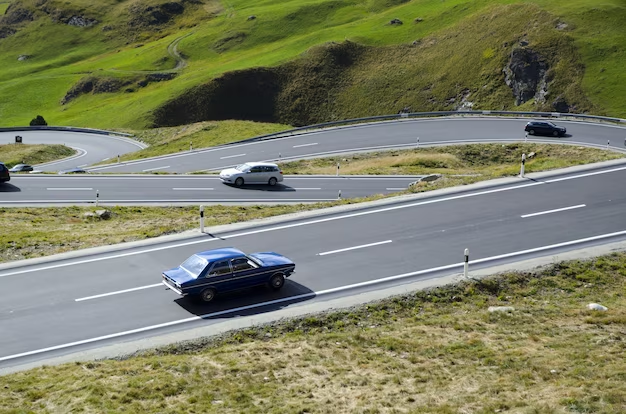
It’s essential to budget with the knowledge of which side of the road do they drive on in Ireland, especially if you plan to rent a car, as it may influence rental costs and your comfort level on the road. By diving into the costs in more detail, you can prepare a budget that suits your personal travel plans and ensures a memorable Irish adventure.
Planning Your Trip: What Costs to Consider
Crafting your Irish getaway begins with an understanding of the various expenses involved. Here’s what you’ll need to consider:
- Flights and Getting There: Your point of origin significantly influences flight costs.
- Accommodation Choices: Options range from hostels to luxury hotels, impacting your budget accordingly.
- Transportation within Ireland: Renting a car or using public transportation will affect your expenses differently.
- Food and Dining: Whether you’re dining at upscale restaurants or cooking, food is a variable expense.
- Attractions and Entertainment: Entry fees to attractions and activities can add up quickly.
- Shopping and Souvenirs: The cost of memorabilia can fluctuate based on your shopping habits.
Flights and Getting There
When it comes to air travel, timing can make a significant difference. Flying during the off-peak season (from late October to early April, excluding holidays) usually yields more affordable prices. It’s often recommended to buy tickets about three months to 30 days before departure to snag the best deals. Furthermore, using flight comparison tools and considering alternative airports in Ireland, such as Dublin, Shannon, or Cork, can help in cutting costs of air travel.
Best Times to Buy Flight Tickets
Flying during the off-peak season (from late October to early April, excluding holidays) usually yields more affordable prices. It’s often recommended to buy tickets about three months to 30 days before departure to snag the best deals.
Cost-Saving Tips for Air Travel
Being flexible with your dates, using flight comparison tools, and considering alternative airports in Ireland, like Dublin, Shannon, or Cork, can lead to significant savings on airfare.
Accommodation Options
From hostels to luxury hotels, the range of accommodations in Ireland can fit various travel styles and budgets. Booking in advance, staying outside city centers, or opting for shared accommodations are some ways to save on lodging.
Types of Accommodations
Ireland’s types of accommodations are varied, including hostels, budget and luxury hotels, historic castles, bed and breakfasts, and Airbnb rentals for a local experience.
Average Costs for Accommodation
Average accommodation costs can be affected by seasonality, location, and amenities offered. Prices tend to rise during peak tourist season and around special events.
Getting Around Ireland
The choice between renting a car and using public transport will depend on your priorities and travel style. Factors such as flexibility, group size, and desired destinations will influence this decision.
Renting a Car vs. Public Transport
Keep in mind how old do you have to be to drive in Ireland, as car rental companies typically require drivers to be at least 21 years old. Ireland’s public transportation, which includes buses and trains, might be a budget-friendly alternative.
Cost Comparison
| Transport Mode | Cost Estimate |
|---|---|
| Car Rental (2 weeks) | $300-$600 |
| Public Transport (2-week pass) | $150-$250 |
Eating Out in Ireland
Whether opting for self-catering or dining out, food costs in Ireland can vary. Visitors can save by visiting local markets, enjoying pub lunches, or seeking out early bird specials at restaurants.
Daily Budget for Meals
A daily budget for meals can vary from $20 for self-catering to $50 or more when dining out frequently. Planning for food costs is an important part of budgeting.
Tips to Save on Food
Visiting local markets, taking advantage of pub lunches, and looking for restaurant specials can help save on food expenses.
Attractions and Activities
From historical sites to natural landmarks, Ireland is full of attractions that cater to a range of interests. Some of the most popular include the Cliffs of Moher, the Ring of Kerry, and the cultural offerings of Dublin.
- Dublin: Explore the vibrant capital city with its historic landmarks, including Trinity College and Dublin Castle.
- Cliffs of Moher: Marvel at the breathtaking views of the Atlantic Ocean from these iconic cliffs in County Clare.
- Giant’s Causeway: Visit this unique natural wonder in Northern Ireland, known for its hexagonal basalt columns.
- Killarney National Park: Enjoy the stunning landscapes, lakes, and mountains in this picturesque national park in County Kerry.
- The Ring of Kerry: Drive along this scenic route, offering panoramic views of Ireland’s southwest coastline and countryside.
- Blarney Castle: Kiss the Blarney Stone for the gift of eloquence and explore the historic castle and gardens.
- Galway: Experience the lively atmosphere of this cultural hub, known for its festivals, street performances, and traditional music.
- The Burren: Discover the unique karst landscape in County Clare, featuring limestone pavements and rare flora.
- Irish Whiskey Distilleries: Tour one of Ireland’s many whiskey distilleries to learn about the country’s rich whiskey-making tradition.
- Hiking in Wicklow Mountains: Enjoy outdoor activities like hiking and trekking in the scenic Wicklow Mountains National Park.
Souvenirs and Shopping
Ireland offers a range of souvenir options such as Irish linen, wool sweaters, and handicrafts to remember your trip. Budgeting for these items is important to avoid overspending on shopping.
Setting a Budget for Shopping
Allocating a budget for shopping can help travelers make smart purchasing decisions while allowing for the enjoyment of bringing home souvenirs.
Where to Find Unique Irish Souvenirs
Local markets and shops in smaller towns might offer more authentic and affordable Irish souvenirs compared to tourist-heavy areas.
Additional Expenses
Travel insurance and miscellaneous costs such as tips, bank fees, and Wi-Fi charges should be considered when budgeting for a trip to Ireland.
Travel Insurance
Travel insurance is essential, offering protection against trip interruptions, medical emergencies, and other unforeseen events.
Miscellaneous Costs
Additional incidental expenses such as tips, bank fees, Wi-Fi charges, and laundry services can add up and should be planned for within the budget.
Budgeting for Your Trip
Meticulous budgeting is crucial for a stress-free trip to Ireland. Tracking spending and prioritizing experiences can help maintain a budget and enhance the travel experience.
Creating a Daily Budget
A daily budget should include all categories of spending with a daily cap to manage expenses throughout the trip.
Tricks to Stay Within Budget
Using tracking apps or a journal can help monitor spending, allowing for adjustments along the way to stay within budget.
In a nutshell
A recap of the travel cost to Ireland affirms that with careful planning and budget management, experiencing the culture and beauty of Ireland can be affordable and unforgettable.
FAQs
- What is the best way to carry money while traveling in Ireland?
Credit cards are widely accepted, but carrying some cash is advisable for small purchases. Using ATMs affiliated with your bank can save on fees. - Do I need to tip in Ireland?
Tipping is appreciated for good service in restaurants, taxis, and tours, although not as customary or expected as in other countries. - What should I pack for Ireland’s unpredictable weather?
Pack layers, including a waterproof jacket and comfortable shoes, to adapt to rapid weather changes. - Is it better to rent a car or use public transportation to get around Ireland?
The decision to rent a car or use public transport depends on personal travel style and priority for convenience or cost-effectiveness. Remember to consider how long does it take to drive around Ireland if you choose to rent a car. - Can I visit Northern Ireland during my two-week trip to the Republic of Ireland?
Visiting Northern Ireland from the Republic is possible. Be aware of mobile phone plans and that Northern Ireland uses the Pound Sterling.