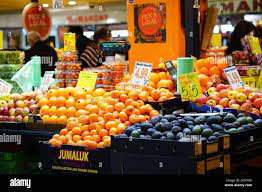
Known for its fertile soil and favourable climate, the Riverland region is the hub of fruit production in South Australia. But can you get this delicious fruit from the Riverland to Adelaide? It’s a seemingly simple question, but one that is fraught with regulation, economic considerations and environmental concerns.
The Importance of Riverland’s Fruits
Riverland’s fruit is not only a treat for the palate, it is also an important part of the local economy. From citrus to stone fruit, the region’s produce is renowned for its quality and flavour. So why is the issue of getting fruit to Adelaide so important?
- Economic Impact: The transportation of fruits from Riverland to Adelaide and other regions contributes to the economic growth of both areas. It supports local farmers, distributors, and retailers.
- Cultural Connection: The fruits of Riverland are a symbol of the region’s agricultural heritage. Sharing these fruits with the rest of South Australia, including Adelaide, fosters a sense of community and cultural connection.
- Health and Wellness: Fresh fruits are vital for a healthy diet. Ensuring that these fruits reach different parts of the state, including Adelaide, promotes overall well-being.

Regulations and Restrictions
But getting fruit from Riverland to Adelaide isn’t as simple as throwing it in a basket and hitting the road. There are specific regulations and restrictions to consider.
- Quarantine Laws: South Australia has stringent quarantine laws to prevent the spread of fruit flies and other pests. These laws affect the movement of fruits within the state.
- Compliance with Standards: Fruits must meet specific quality standards to be transported across regions. This includes proper packaging, labeling, and adherence to hygiene protocols.
- Environmental Considerations: The transportation of fruits must also consider the environmental impact, including the carbon footprint and potential harm to native flora and fauna.
Understanding the Quarantine Laws
| The Fruit Fly Quarantine Area | Penalties for Non-Compliance |
| The Fruit Fly Quarantine Area is a specific region where strict regulations are enforced to prevent the spread of fruit flies, a pest that can devastate local agriculture. This area includes the Riverland and has specific rules for transporting fruits to places like Adelaide. | Failure to comply with the quarantine laws can lead to severe penalties. These can include fines, confiscation of the fruits, and even legal action in extreme cases. Understanding and adhering to these laws is not just a legal obligation but a social responsibility to protect the local environment and economy. |
| Key Points: | Key Points: |
| 1. Restricted Movement: Fruits within the quarantine area must be inspected and certified before transportation. | 1. Fines: Monetary penalties can be imposed for non-compliance. |
| 2. Inspection Stations: There are designated inspection stations where fruits must be checked and cleared before moving to Adelaide or other regions. | 2. Confiscation: Fruits may be confiscated if found in violation of the quarantine laws. |
| 3. Purpose of Regulations: The regulations aim to prevent the spread of fruit flies, which can harm other regions’ agriculture. | 3. Legal Action: In severe cases, legal action may be taken against individuals or businesses violating the laws. |

How to Transport Fruit Legally
| Inspection and Certification | Packaging and Labeling |
| Transporting fruit from the Riverland to Adelaide legally requires adherence to specific procedures and standards. Inspection and certification are vital parts of this process. | Proper packaging and labeling are essential for legal transportation. These measures ensure that the fruits meet quality standards and provide essential information to both consumers and authorities. |
| Key Points: | Key Points: |
| 1. Inspection by Authorities: Fruits must be inspected by authorized personnel to ensure they are free from pests and diseases. | 1. Quality Packaging: Fruits must be packed in approved containers that protect them during transportation. |
| 2. Certification: After inspection, a certificate may be issued, allowing the fruits to be transported to Adelaide. | 2. Clear Labeling: Labels must include information such as origin, type of fruit, and any treatments applied. |
| 3. Compliance with Standards: The inspection ensures that the fruits meet the quality and hygiene standards required for transportation. | 3. Adherence to Regulations: Packaging and labeling must comply with all relevant laws and regulations, ensuring a smooth and legal transportation process. |
Impact on Local Economy and Agriculture
Benefits of Compliance
Complying with quarantine and transport laws has several benefits. Firstly, it helps maintain the health of South Australia’s agricultural sector by preventing the spread of pests such as fruit flies. This protection is vital to the sustainability of the region’s fruit industry and the livelihoods of those who depend on it.
Secondly, compliance ensures the continued availability of Riverland fruit in Adelaide markets. This availability not only provides consumers with a wider choice of fresh produce, but also supports the local economy by encouraging trade in locally grown fruit
Challenges and Solutions
Despite the clear benefits, complying with these laws and regulations can be challenging. For example, the inspection and certification process can be time consuming and costly. In addition, the need for special packaging and labelling can increase transportation costs.
However, these challenges can be mitigated through effective planning and cooperation between growers, transporters and authorities. For example, regular training can ensure that everyone involved is aware of the requirements and procedures. In addition, government support in the form of subsidies or incentives could help offset the additional costs associated with compliance
In a nutshell
In a nutshell, while you can take fruit from the Riverland to Adelaide, it’s important to understand and comply with the relevant quarantine laws and transport regulations. These regulations, while sometimes challenging, play a vital role in protecting South Australia’s agricultural sector and supporting the local economy. By adhering to these regulations, we can all enjoy the delicious bounty of Riverland’s fruit while ensuring the sustainability of this vital industry.
FAQs
Q: Why can’t I take fruit from the Riverland to Adelaide without inspection? A: This is to prevent the spread of pests like fruit flies, which can harm other regions’ agriculture.
Q: What happens if I don’t comply with the quarantine laws? A: Non-compliance can lead to penalties, including fines, confiscation of the fruits, and even legal action in extreme cases.
Q: How can I get my fruits inspected and certified for transportation? A: You can get your fruits inspected and certified at designated inspection stations in the Riverland.
Q: What information should be included in the labels when transporting fruits? A: Labels should include information such as the origin, type of fruit, and any treatments applied.
Q: How does the transportation of fruits from the Riverland to Adelaide impact the local economy? A: It supports local farmers, distributors, and retailers, and promotes the trade of locally grown fruits, contributing to the local economy’s growth.