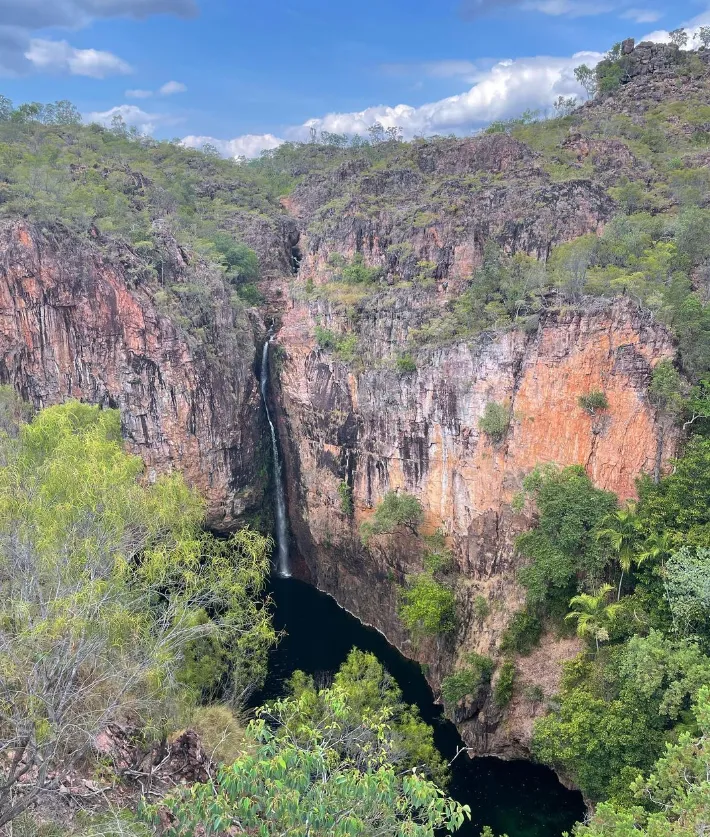
Litchfield National Park in Northern Territory Australia is an amazing place with waterfalls and swimming holes. Knowing when to visit makes the experience even better when planning a day trip or staying around. This guide outlines the seasonal highlights of the park including waterfalls, rainforest and other scenic bits.
Where Is Litchfield National Park?
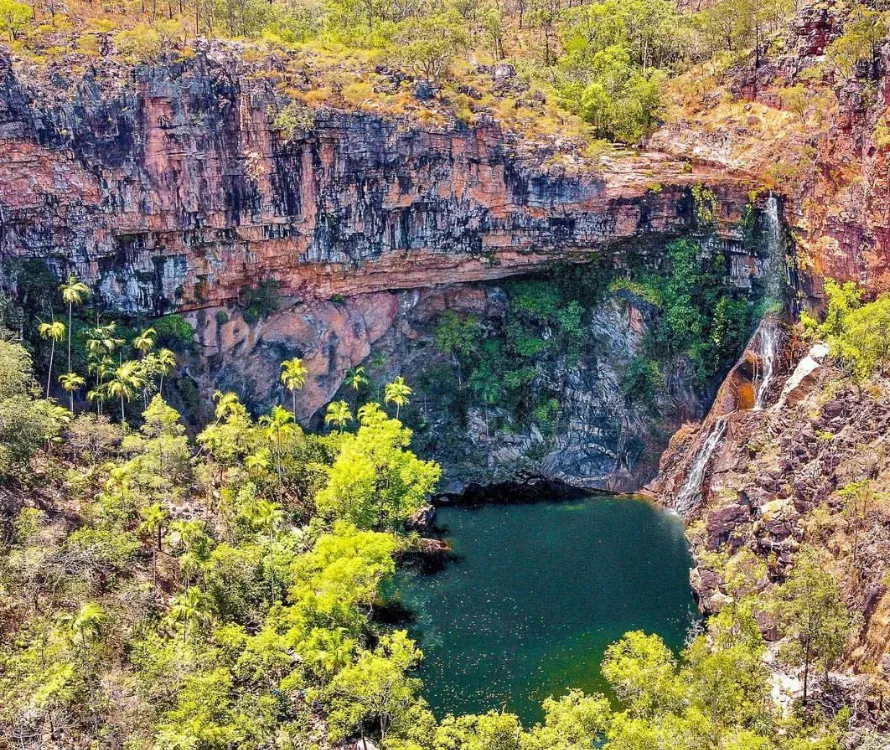
100km south of the Northern Territory capital is where you’ll find Litchfield National Park. It covers over 2,000 square km with Tolmer Falls and Walker Creek Tjaynera – just two of the many iconic spots. Within easy reach of Darwin, you’ll find rugged terrain, ancient landscapes, and swimming holes.
When Should I Go?
Best time to visit Litchfield National Park depends on what you want. Every season gets visitors but there are times when there’s more adventure to be had.
Seasons in Litchfield National Park
Wet Season
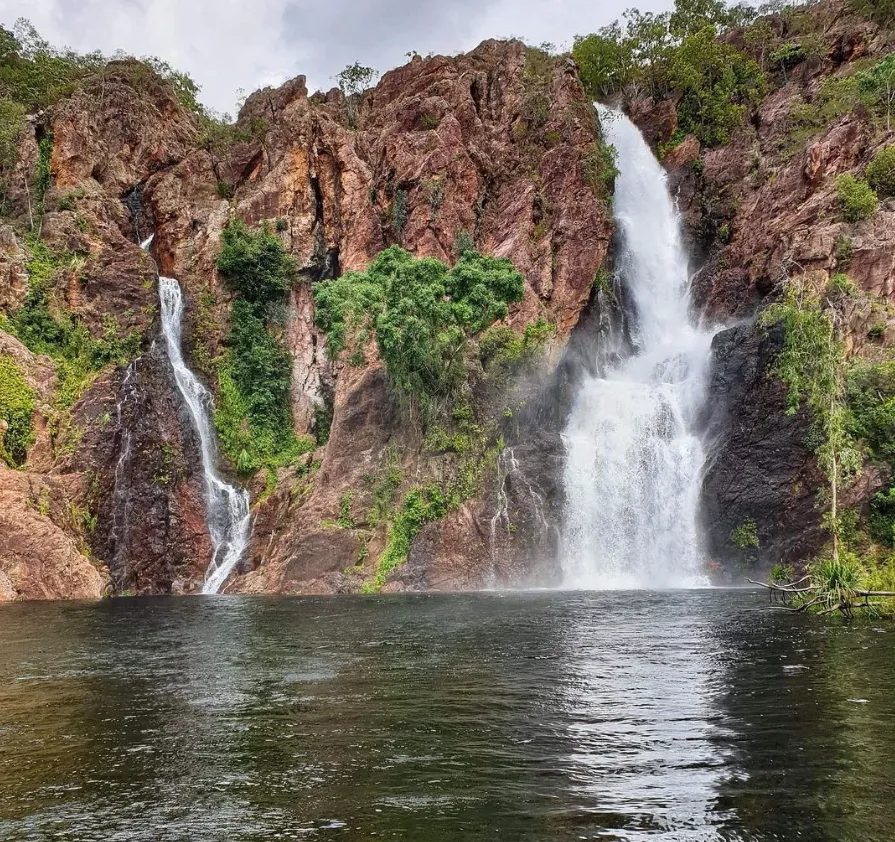
November-April sees heavy rain and sometimes storms and high humidity; this period changes the landscape and has its benefits.
Benefits Of Visiting During The Wet Season
- Waterfall: Summer turns the landscape into a water wonderland. For example, Tolmer Falls has a double waterfall effect with continuous sheeting and abundant water flow. So much water makes them look amazing and gives life to many lovely plunge pools and swimming holes within the park.
- Rainforest: Monsoon rains bring forth the rainforests in the park (be clearer). A beautiful environment comes from green leaves and blooming plants everywhere. Against this green backdrop rocky outcrops and magnetic termite mounds become more prominent. Heavy rain also enhances the colour of the natural features and surroundings.
- Less Crowded: Fewer tourists come during this period, so you can have a peaceful experience in the popular spots. This is the time to explore unknown treasures like Shady Creek or take a dip in the crystal-clear waterholes of Greenant Creek.
- Higher Water Levels: Heavy rain causes higher water levels in all swimming spots in the park. So you can have a cool bath and discover new holes that can’t be accessed in winter.
Dry Season
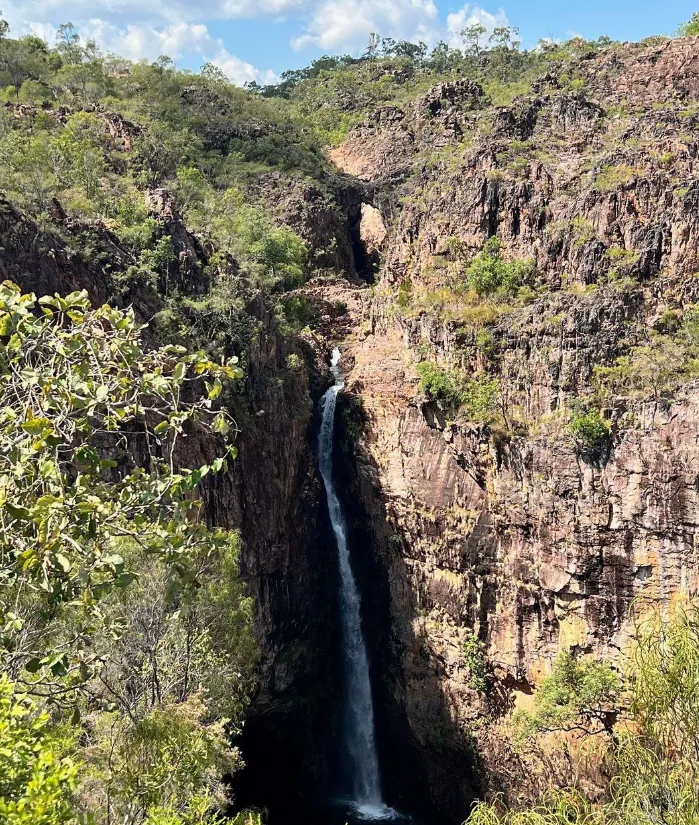
The dry season, which runs from May to October, has low humidity, minimal rainfall and clear skies, so it’s the most popular time to visit due to its good weather.
Benefits Of Visiting During The Dry Season
- Perfect Roads: In this period the roads are perfect. Sealed roads and good 4WD tracks make it easy to get to major sites like Tolmer Creek and other beautiful swimming holes. Less rainfall makes it easier to drive on unsealed and dirt roads.
- Ideal Swimming: The drier months of the year sees people flock to the park’s pools and rock pools. Swimmers will find great spots like Wangi Falls and Berry Springs’ pools perfect for a swim. The cool, clear water is a relief from the hot daytime temperatures.
- Great for Hiking and Exploring: With the forests less crowded and more warm, summer is the best time to discover Litchfield’s walking trails and rough terrain. The park has amazing waterfalls, including Surprise Creek Falls and quiet plunge pools that are easy to access and provide stunning views.
- Accommodation and Facilities: Just to mention dry season is the busiest time for tourists so we have more accommodation options available. You can stay at Litchfield Tourist Park or Hideaway Litchfield or Litchfield Safari Camp or several caravan sites. Book early to not miss out and get extras like picnic tables and restrooms.
Litchfield Itineraries
A Water Wonderland
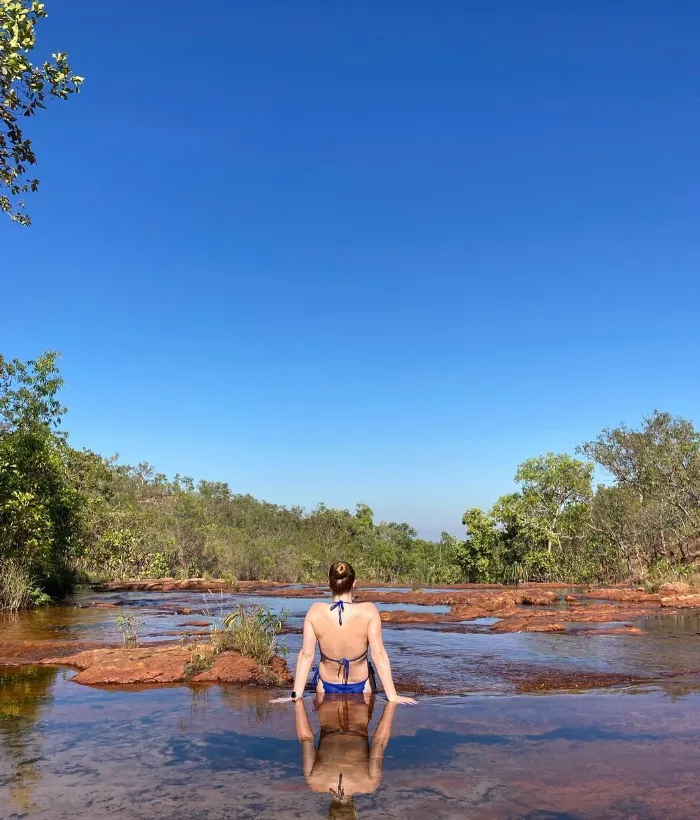
If you love the falls and swimming holes of Litchfield, then a water-based itinerary will be the best. Start at Tolmer Falls, where you’ll find beautiful multi-tiered cascades surrounded by dense vegetation. You’ll think this is where your adventure should start because of the cool mist and great views. From Tolmer Falls, head to Walker Creek, where the water is crystal clear and perfect for a swim on a hot sunny day, and the peaceful surroundings make it a great place to relax in nature.
The next stop is Tjaynera Creek, where one of the most beautiful swimming holes on earth exists. That picture-perfect spot gives you the chance to take a dip or just sunbake beside it. Bring lunch with you as they have clean picnic tables with great views for you to enjoy. Then, spend the afternoon exploring the park’s rock pools and plunge pools. You won’t find anywhere else that has relaxation and exploration features like these that have been carved out by water over centuries.
If you can, visit at different times of the day to get the most out of your water wonderland experience. Early mornings have fewer people so it’s a great time for quiet reflection and late afternoons you can always appreciate the sunset’s golden rays on the water. Also make sure to bring with you essentials like sunscreen, hat and a refillable water bottle to stay hydrated.
Adventure Your Way
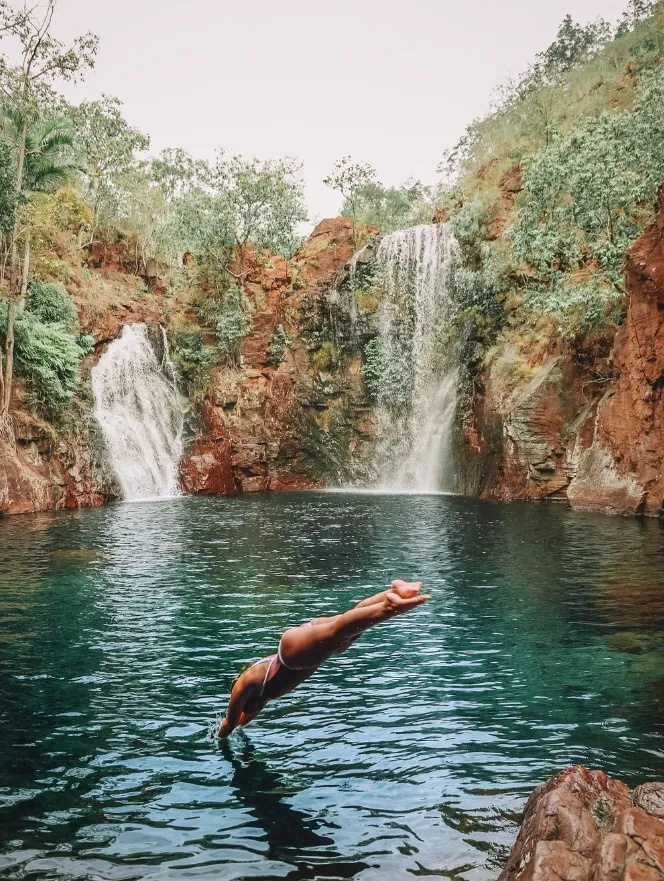
For those who love adventure there’s plenty of opportunities at Litchfield National Park with its rough terrain and activities. Driving on unsealed roads and four-wheel drive tracks within the park gives you the chance to find places like the secluded plunge pool at Greenant Creek. This area is remote so it’s a more intimate swimming experience and peacefulness away from the crowds so you can get lost in nature.
Make it even better by going off-trail to explore rocky surfaces or green bits across the park. From unknown locations with tough landscapes to unexpected views, when you go off trail, make sure you bring enough water bottles, insect repellent or a noodle if you want to take a dip in some shallow water along the way.
Consider planning your Litchfield day tour for early morning or late afternoon to avoid the heat. Also, before you head out, check the weather and park alerts, as some trails and areas may be closed or under repair.
Nature at Its Best
For nature buffs there are many ecosystems and natural wonders to discover in Litchfield National Park. Get into a green rainforest where dense canopy and high biodiversity creates a home for many wild animals and plants. The magnetic termite mounds against the green landscape is what draws tourists in.
Another wildlife species in this park are the Orange Horseshoe Bats with bright coloration and weird shapes. Full flow of the main waterfalls and lush greenery in the wet season will make it even more spectacular.
Visit different parts of the park to see it all. For example each part has its own tranquil waterholes and thriving wildlife habitats. Take shots from different angles with your camera as you cross this beautiful land so you can recall them later.
Best Time to Swim in Litchfield
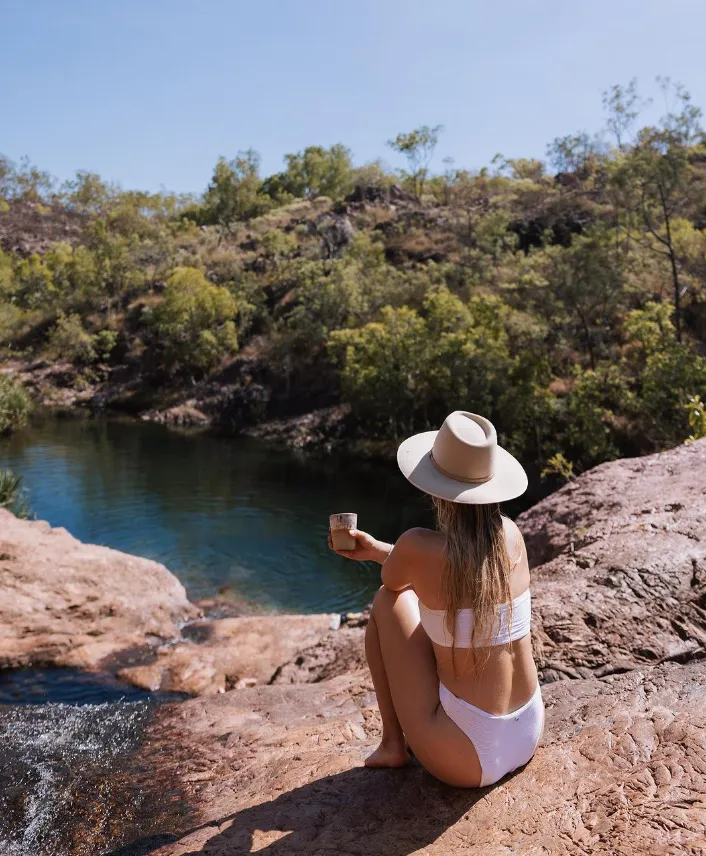
The best time to swim depends on two things: the weather and what you want to see before you start swimming. Although these spots may not be accessible due to heavy rainfall, rugged terrain in the wet season has made the water levels more spectacular where the falls are.
How Many Days Should You Spend in Litchfield National Park?
It depends on what you want to see or do here as everyone’s interests are different, so it’s good if you can look into the number of days you’ll be here only. Some people visit for a day trip – they see a couple of waterfalls, have a swim at their favourite spots, etc. But if you stay longer than a few days, you can see a different part of the park-like rocky outcrops, rainforests and secret spots. Litchfield National Park Caravan Parks or Litchfield Safari Camp are good options for staying longer.
Conclusion
Litchfield National Park is an all-year-round experience, with each season having its own bonus. The wet season has many waterfalls, and the dry season is a jungle and a great place to swim and easy to drive on roads. Just be prepared and check what the park has in store for you.
FAQ
When should you visit Litchfield National Park for waterfalls?
In the wet season (November-April), it is best to see the falls in full flow. Tolmer Falls, Surprise Creek Falls and Tjaynera Falls look great at this time.
Can I swim in Litchfield all year?
There are popular swimming spots like Wangi Falls and Berry Springs that can be swum all year round but are weather-dependent.
What to bring to Litchfield National Park?
Bring water bottles, insect repellent and, if you plan to swim, a pool noodle. You can also bring a picnic lunch and apply sunscreen to yourself.
Can I camp in Litchfield National Park?
Yes, there are several camp sites within the park like Litchfield Tourist Park and Litchfield Safari Camp. Check out the camping fees and book early especially during peak dry season.
How do road conditions affect travel in Litchfield National Park?
Some unsealed roads may be rough during wet season due to heavy rainfall. In less accessible areas four-wheel drive vehicles are recommended. Dry season road conditions are generally better with sealed and well maintained roads.