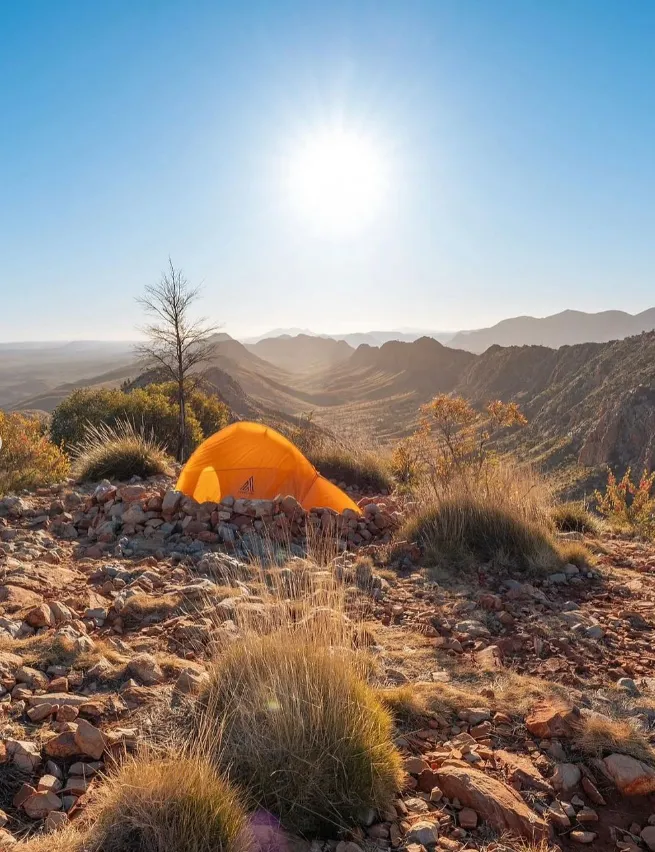
The Larapinta Trail, a iconic walk in the Northern Territory, is the ultimate outback adventure. 223km long and takes in the West MacDonnell Ranges, a place of breathtaking scenery. In this guide we will look at the best spots to camp along the Larapinta Trail, what to bring with you to camp and some safety tips.
Camping
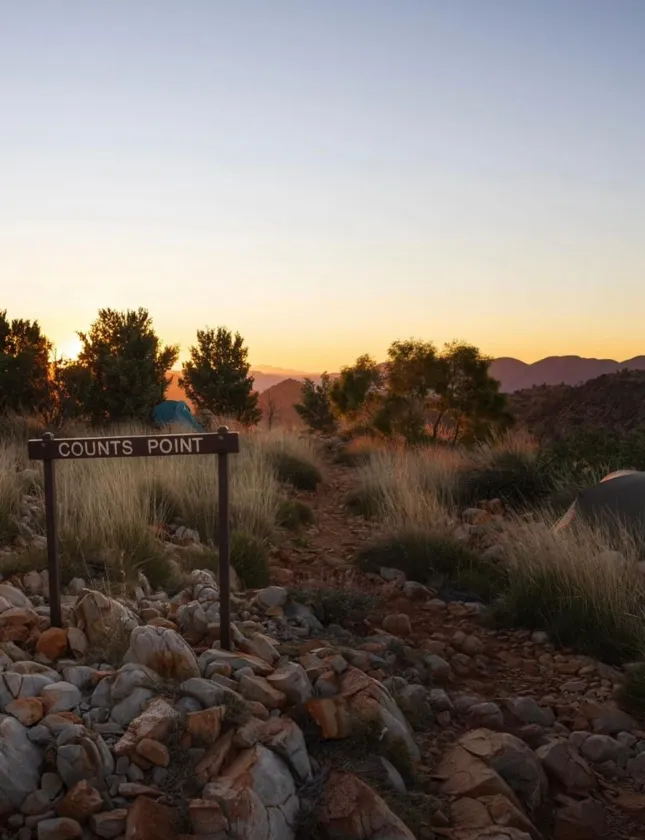
Walking the Larapinta trail gives you the chance to see Australia’s outback. There are many campsites along the track so you can plan your trip to suit your style of camping from Bar Gap which is rocky and steep to Hilltop Lookout with stunning views. Each campsite has different facilities including water supply so you can rest comfortably after each day’s walk.
Walk the Larapinta Trail
Walking the Larapinta trail is an amazing opportunity to see the Northern Territory. The trail has a mix of tough and rewarding moments like steep climbs at Inarlanga Pass or calm waters at Ellery Creek Big Hole. Good level of fitness and preparedness is required by the rocky surface and uneven ground but the views and wildlife are worth it. Whether you do part of it or all of it, the Larapinta Trail is a big walk with many experiences.
Planning Your Trip
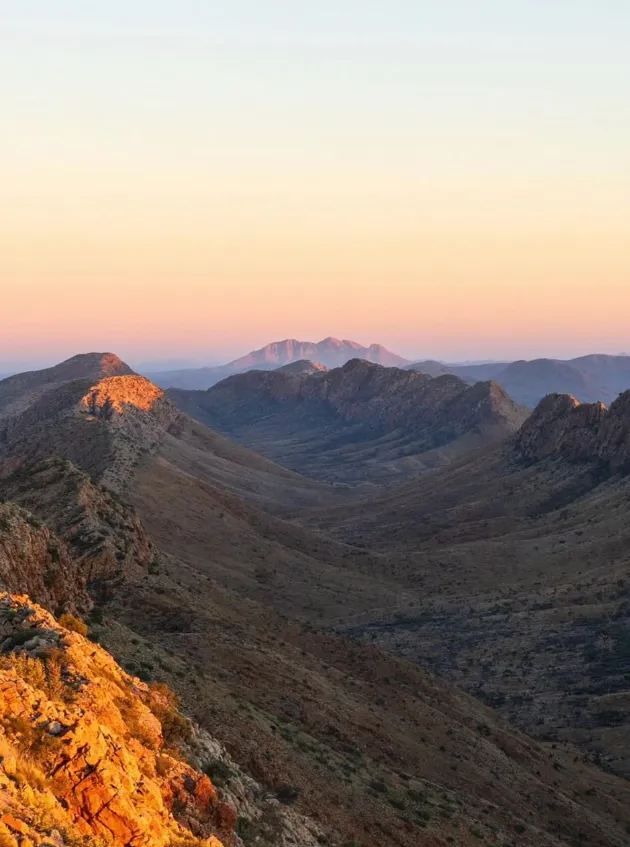
To walk the Larapinta Trail, you need to plan ahead of time before you start. Consider the trail conditions, your fitness level, and the time of year. People who visit Australia during winter (April to September) find the temperatures more suitable for long-distance walking. Drop off food supplies at Glen Helen Gorge and Finke Gorge National Park, which are the designated areas where you can leave your supplies for pick up during your trip. Also, with your itinerary, make sure to stop at the main camping areas, including Simpsons Gap and Hugh Gorge Junction.
Hiking Season
The dry months of April to September are the best time to walk the trail as the temperatures range from 10°C to 25°C perfect for long walking. Avoid the summer months when it can get above 40°C and the outdoor conditions are tough and dangerous.
Permits and Camping Fees
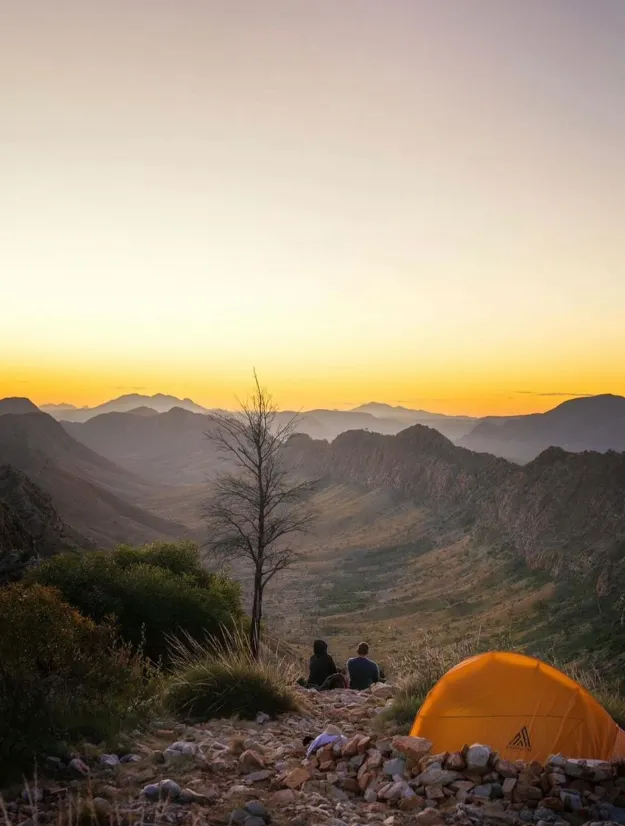
Walking the Larapinta Trail requires a permit for the trail and individual campsites. The cost of the permit goes towards maintaining the track and conserving the environment. Other fees to be aware of are campsite fees at official campsites and extra fees for food drop facilities.
Camping Essentials
The right gear is key to a comfortable and safe Larapinta Trail camping trip. Here are some of the things you need:
- Tent Selection: When heading out into the wild, especially onto a tough terrain with unpredictable weather, take your time when choosing a tent. You want one that can withstand strong winds, heavy rain and even snow. Look for weatherproof material, a stable framework and a size to fit all members of your team. If you expect extreme weather conditions, consider a four-season tent. Also, check if there is enough ventilation to prevent condensation on the inner walls.
- Sleeping Bags And Mats: Your comfort during the trip can be greatly impacted by choosing the right sleeping bag and mat. Choose a sleeping bag with an insulation rating suitable for the temperatures you expect to encounter. For very cold conditions, go for bags with down or high-quality synthetic insulation that will give you the warmth you need. Pair your sleeping bag with an insulated ground pad that is very efficient at preventing heat transfer from you to the cold ground. A mat with an r-value (a measure of thermal resistance) that matches the conditions will keep you warm.
- Cooking Equipment: Efficient cooking gear is crucial for camping. Look for stoves and gas canisters that are portable, easy to pack and assemble and lightweight. Make sure they are stable and efficient at heat provision. Carry some pots, pans, and cutlery, or you won’t be able to cook with the stove. Also, don’t forget those cleaning materials like small sponges, biodegradable soap and lightweight towels that will keep your gear clean along the way. This way, your kitchen gear will be sparkling clean on the trail, so you can have more fun cooking.
- Water Sources on the Trail: Water access is part of being prepared for the outdoors. Find out about water sources such as streams, rivers and water tanks on the route before your trip. Also plan to have enough drinking water to last between these supply points. It’s best to carry a portable water filter or purification tablets with you especially when unsure of water quality at any water sources along the way. This will keep you hydrated and safe throughout your adventure.
Safety
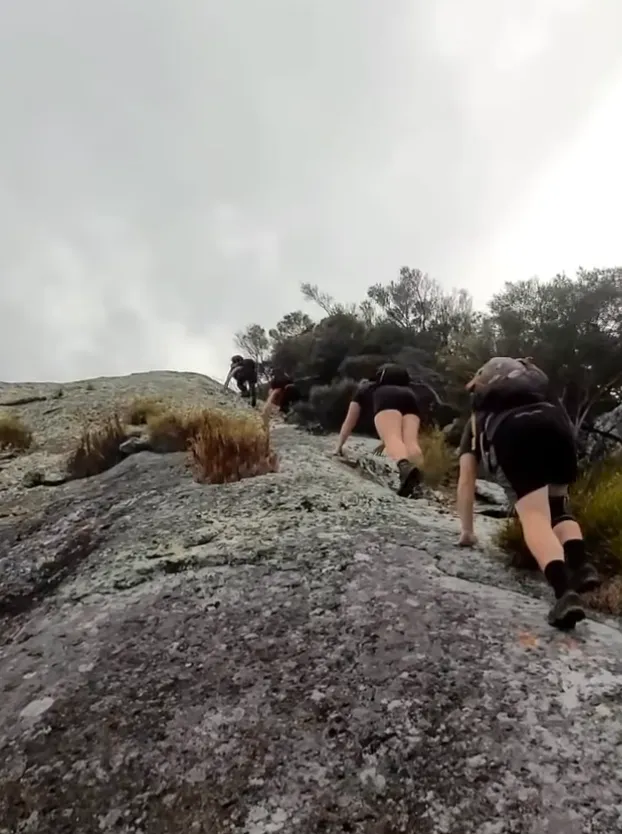
Safety first when hiking in remote areas. A few major safety issues:
- Trail Markers: Follow the blue arrows and other markers for direction.
- Phone Reception: A satellite phone or locator beacon is handy since there may be no mobile signal in those areas.
- Health Questions: Anticipate health and fitness questions; make sure you are fit for this walk and can handle the challenges on the route.
- Power Banks: Make sure you have power banks to recharge electronic devices if they help navigate or communicate with others through technology.
Trail Campsites
These are the best campsites on the trail:
- Simpsons Gap is great, its proximity to the start makes it a good introduction for first timers who will be blown away by the views. This spot is famous for its rock formations that show the harshness of this area. Basic amenities like toilets and picnic areas are available here because it’s so accessible, making it a good starting point for those who want to see the natural wonders of this place. The rock walls and peaceful surroundings make this spot unforgettable for both casual tourists and serious walkers.
- Jay Creek is a favourite among travellers and nature lovers because it’s easy to get to, and basic facilities are available. It’s located in a spot where water sources are readily available, so it’s perfect for those who want to take a break and dip. There’s enough infrastructure, including toilets and picnic areas, so tourists can be comfortable at Jay Creek. The creek itself is picturesque, creating a serene atmosphere and a cool spot to relax. This combination of convenience and natural beauty has made Jay Creek one of those places you can’t miss when you’re around here.
- Hugh Gorge has this kind of scenery and natural water bodies within. This spot appeals to those who want both aesthetic pleasure and practical amenities. The contrast between the towering rock formations and lush vegetation creates striking landscapes that will draw you into the gorge. Besides adding aesthetic value to Hugh Gorge, having water means you can swim or sunbathe along the banks during hot days. So Hugh Gorge is a must visit for those who want to fully immerse themselves in the natural wonders of this area.
- Ellery Creek Big Hole has one of the biggest waterholes that’s super welcoming even in hot weather when you really need to cool down. The waterhole is surrounded by impressive geological formations and lush greenery, so it’s a great spot to escape the heat. Although there are picnic areas and toilets here, the amenities are well-managed, so you’ll have the best experience ever. Clearwater and peaceful surroundings make Ellery Creek Big Hole the go-to spot if you want to spend some time in nature and appreciate the beauty and cooling effect of swimming holes.
- Standley Chasm is famous for its views that will blow your mind. This narrow opening between the rocks takes on a whole new level when the sun hits it at noon. It has several camping options depending on what you prefer, including designated camping spots and all the necessary provisions for a comfortable stay. Rugged terrain and blooming flowers are some of the reasons why Standley Chasm is popular with visitors looking for natural attractions in this area. Standley Chasm is good for day trips and spending the night nearby to fully appreciate what nature has given this place.
- Ghost Gum Flat: It’s a peaceful place with few services but has a great view. This calm environment is made more beautiful by the ghost gum trees which are so striking, adding a uniqueness to the scene. The site has limited facilities but the views and natural landscapes will make it worth visiting for those who want to get away from their daily lives. Ghost Gum Flat is perfect for those who want to enjoy all this region has to offer without modern amenities.
- Hermits Hideaway: For those who want to camp alone in picturesque areas surrounded by nature, Hermits Hideaway exists. This site is an escape from the busy life where campers can have a quiet and private stay. The rugged landscape at this location and the vastness provide a sense of being alone in the wilderness, away from civilization. It doesn’t have extensive service amenities. Rather, it has serenity so people can connect with nature and enjoy solitude when visiting this retreat. Hermits Hideaway welcomes anyone who wants an unspoiled camping experience.
Tips and Tricks
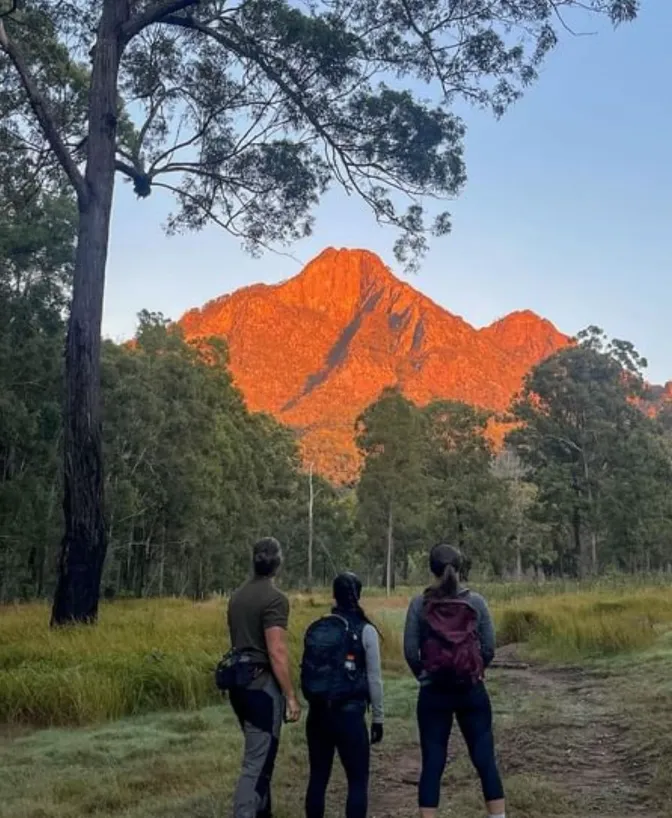
- Tough Terrain: Make sure your gear is suitable for rocky or uneven ground; consider trekking poles too.
- Hydration: Plan where you will get your water exactly since you may need extra bottles.
- Pack Light: Think about how heavy your pack could get before adding anything extra into your bag.
- Use Camping Facilities: Use composting toilets, toilet blocks when available,
Conclusion
Camping on the Larapinta Trail is an experience like no other, get to know the Australian outback wilderness. By choosing your campsites, packing the right gear and planning your Larapinta Trail tours you will be safe and have a ball. No two parts of this trail are the same, from the ruggedness of Rocky Bar Gap to the serenity of Ellery Creek Big Hole. Take it in stride and be prepared as you get consumed by the wildness of the north.
FAQ
What is the trail like on the Larapinta Trail?
Terrain can be rocky, stony, uneven or gnarly in parts of the trail. Some sections, like Inarlanga Pass and Spencer Gorge, are very rough and very challenging. Be prepared for changing weather conditions that will require different gear.
Do I need a permit to hike the Larapinta Trail?
You need a permit to walk on the Larapinta Trail that includes campsites permits too; so make sure you get them before your camping dates.
Where can I get food drops along the trail?
There are several points where food drops can be made, including Glen Helen Resort and Finke Gorge National Park, among others: plan ahead so you have enough supply when you need it.
What gear do I need for the Larapinta Trail?
Durable tents, sleeping bags with mats, cooking gear and fuel, trekking poles and water containers. Satellite phones, power banks and locator beacons should also be considered in case of emergencies.
What about water on the trail?
Plan your water supply and know where to find water, such as Ellery Creek Big Hole (water tanks and waterholes). Carry extra water and treat non-drinking water.