Put simply, whether you need a tempering valve in Victoria is a matter of safety and of making sure you are compliant after a job has been done. The answer is yes as a rule of thumb: to keep water in storage at a hygienic heat but not scalding at the tap, one is usually necessary for bathroom outlets in the home. Do some major plumbing or put in a new system and that is where the regulations will have their say.
I am Arabella Kinsella. There is nothing like having a tradie run through an explanation at a pace and then wondering what it means for your house and your budget. This piece is for those moments. Once you make sense of the difference between outlet temperature and storage temperature, and know what a licensed plumber should be putting on paper, the Victoria rules on tempering valves are not so enigmatic.
Why It Is Important In The Home
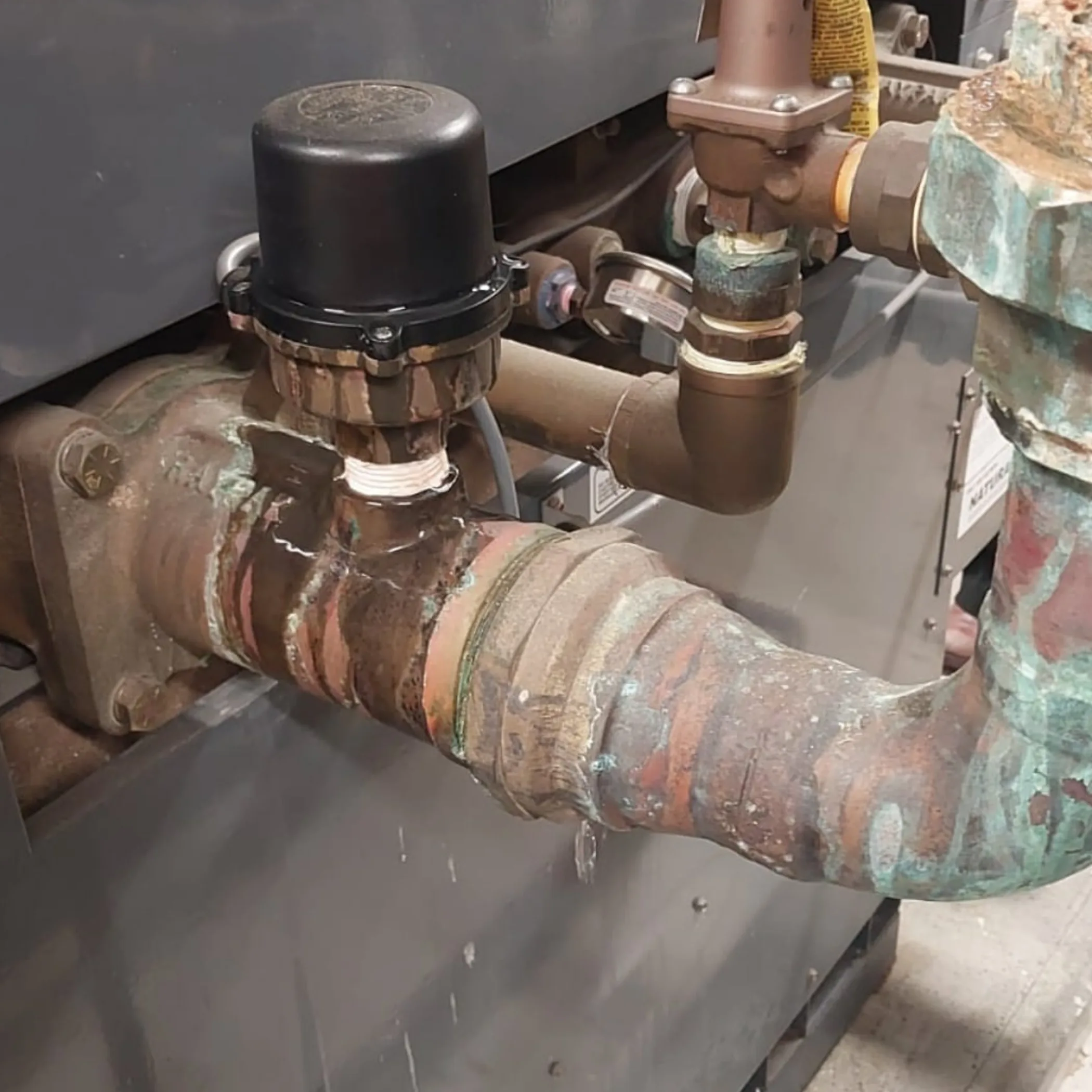
The risk of a burn is greater than most would put it, particularly with young children or older people who may not react as quickly. A tempering valve is there to see off that risk while your hot water system remains hygienic.
One does not have to be an expert to see that “safe” and “very hot” are two different things. To stave off Legionella you might want your water stored at a high temperature, yet that same degree of heat from the tap is hard on the skin in no time at all.
What The Valve Does
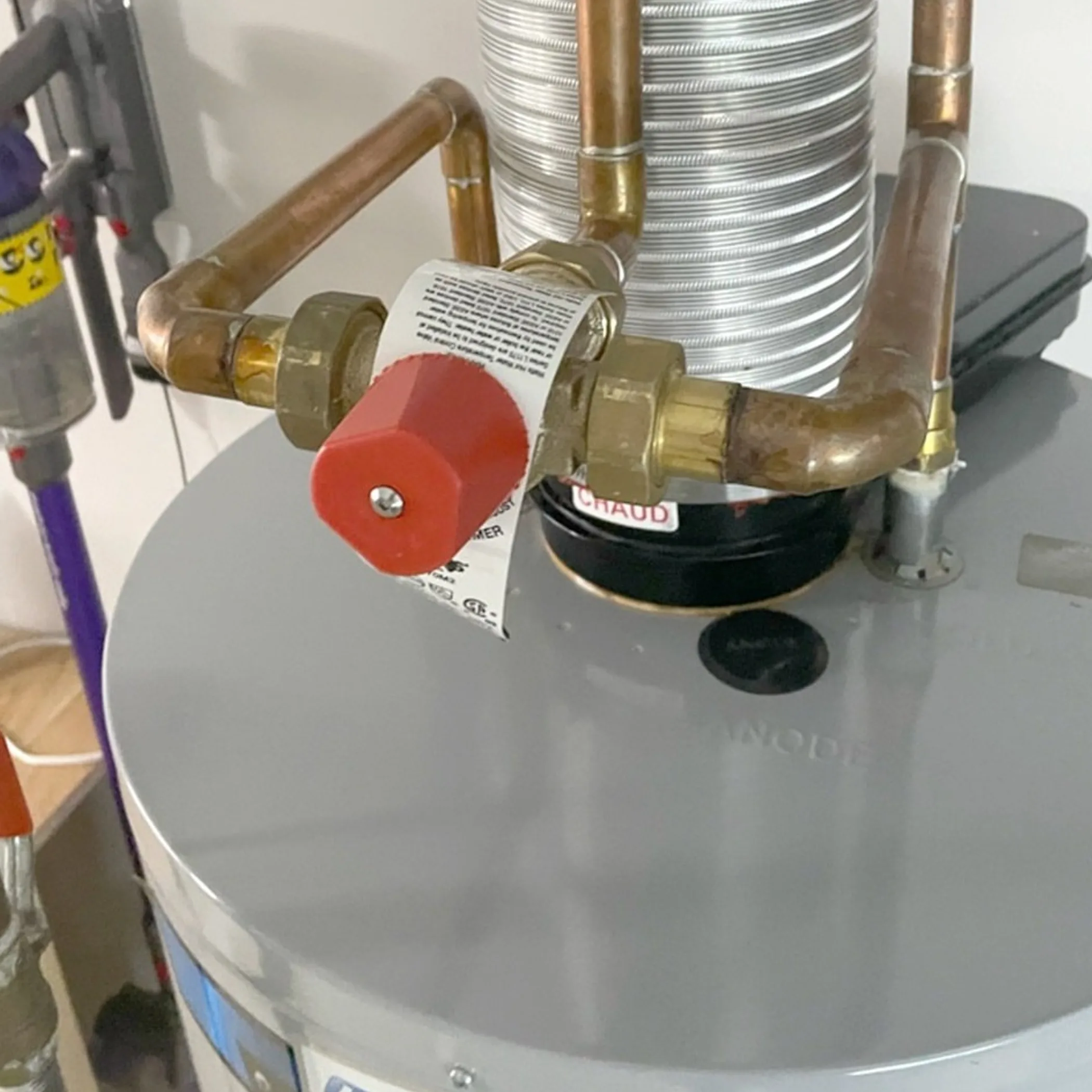
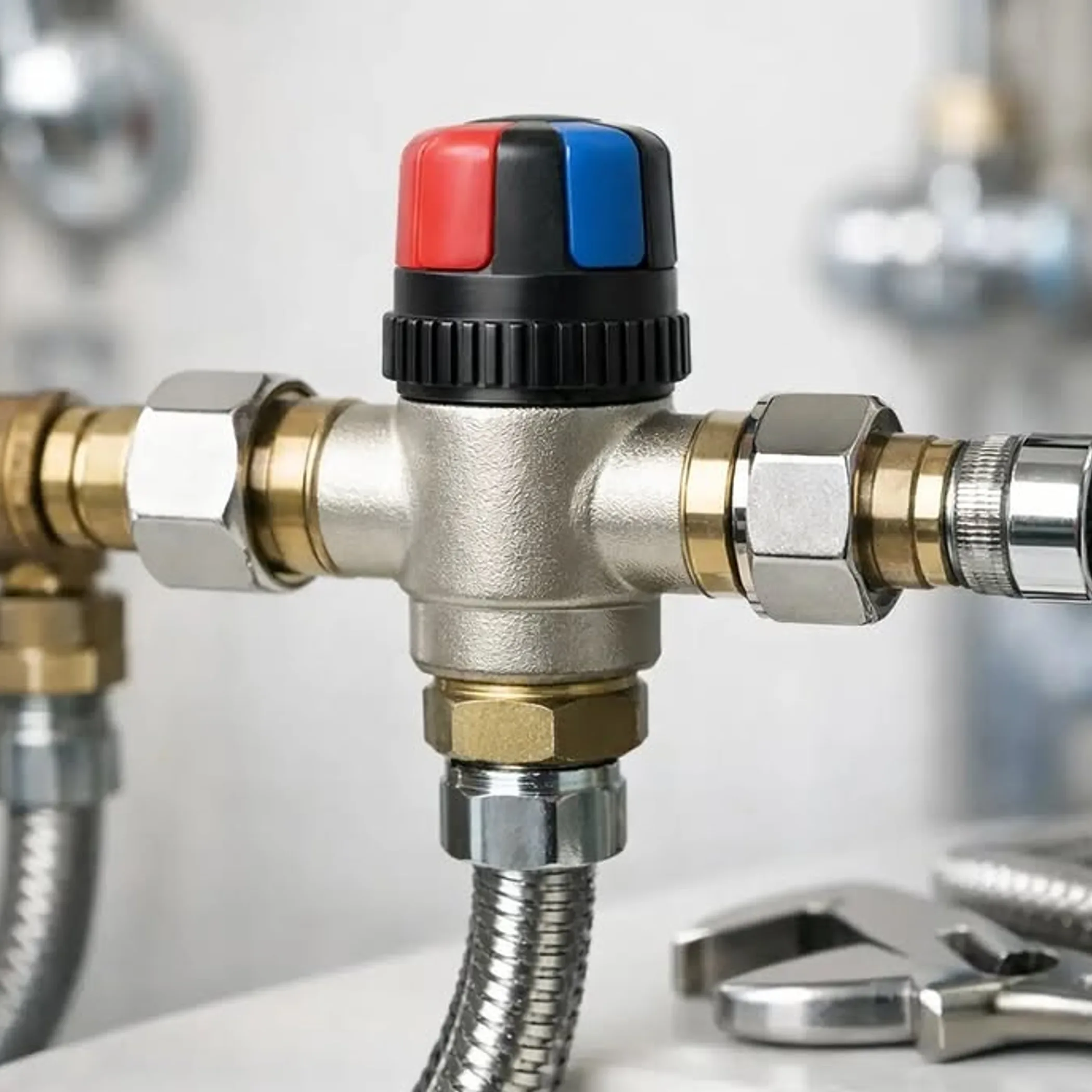
In a nutshell, the valve is for mixing cold and heated water before it gets to the fixtures of your choosing. It removes the edge from hot stored water and puts out something tempered and safe for day to day use.
As to the question of necessity, it will come down to the plumbing work being undertaken and where the water is headed. With domestic premises the emphasis is on the bathrooms to prevent scalding and to be in line with the rules.
How It All Mixes
On the pipework the valve will combine the hot coming from storage with cold from the mains to put out a set temperature, typically for the bathroom and other sanitary ware as the case may be.
Hence the confusion over 60°C for storage and 50°C at the outlet. They are not at odds, they are just different parts of the system.
Victoria Rules
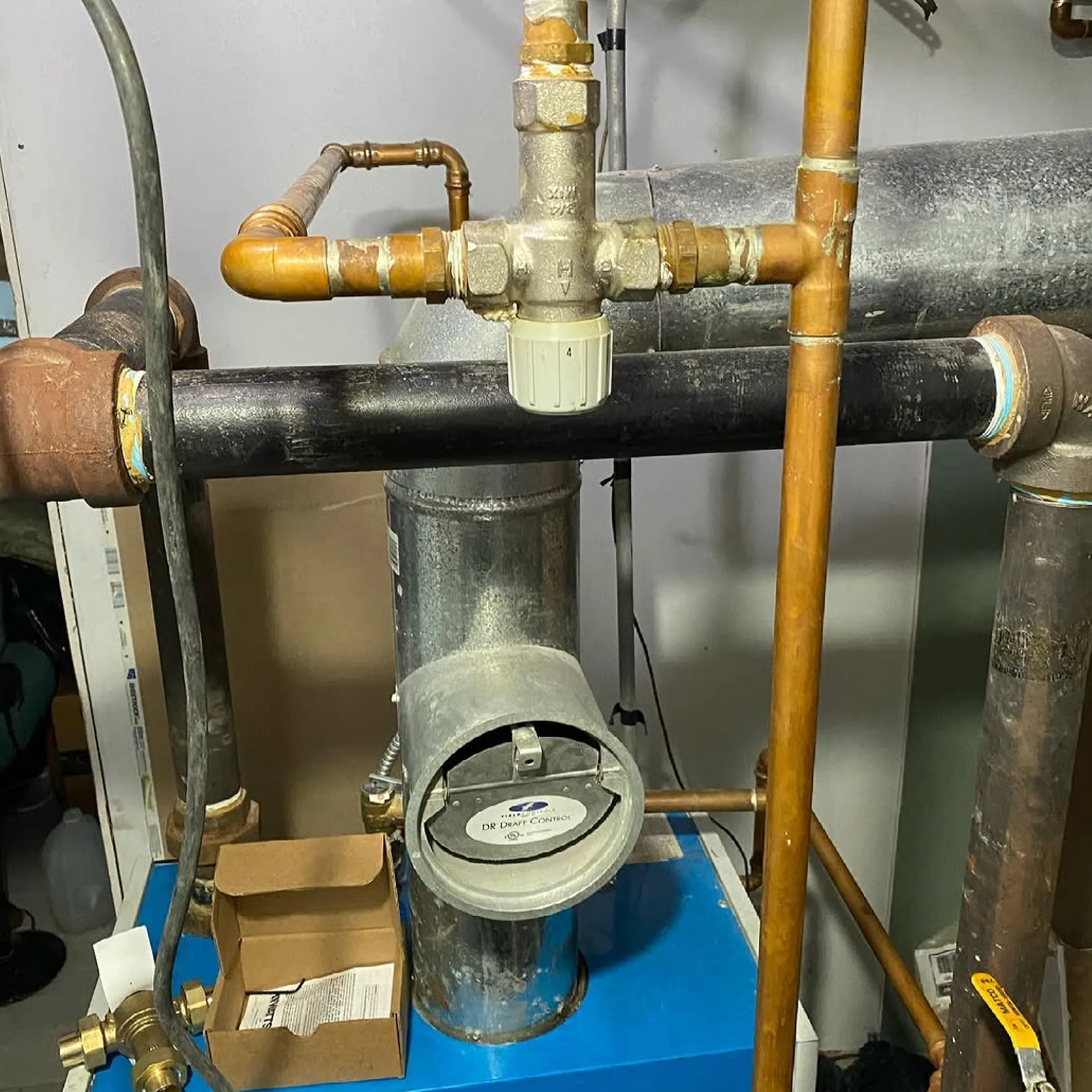
For the homeowner in Victoria the position is straightforward: health dictates the storage must be hot, safety dictates you put a limit on what is delivered. That is the essence of the regulations here and in keeping with AS/NZS 3500 and other Australian standards.
Over the years the authorities in Victoria have shifted and regulatory oversight is now part of the building and plumbing framework. I would suggest looking to the Victorian Building Authority plumbing guidance for your plumbing guidance rather than going by what the neighbour says he was told.
Storage As Opposed To Outlet
This is where the error lies for most. A storage vessel will be kept at 60°C or more to deal with any Legionella, but that is not what you want coming out of a bathroom tap.
In a home the delivery of heated water to the bathroom is required to be no more than 50°C. Stricter controls are in place for a school or aged care facility; you will see TMV 45°C style valves in those environments as the building type demands.
| Location Or Use | Typical Temperature Focus | Rationale |
| Storage Tank / Water Heater | 60°C hot water storage | For Legionella control |
| Bathroom Outlets (Domestic) | 50°C hot water outlet | Scalding prevention |
| Aged Care Etc. | TMV 45°C | To protect the vulnerable |
These are the figures you will find in Australian plumbing safety. Water is designed to be held at a higher temperature than what comes out of the tap. There is no ambiguity about it, nor is it some kind of loophole.
Installation: When It Is Compulsory
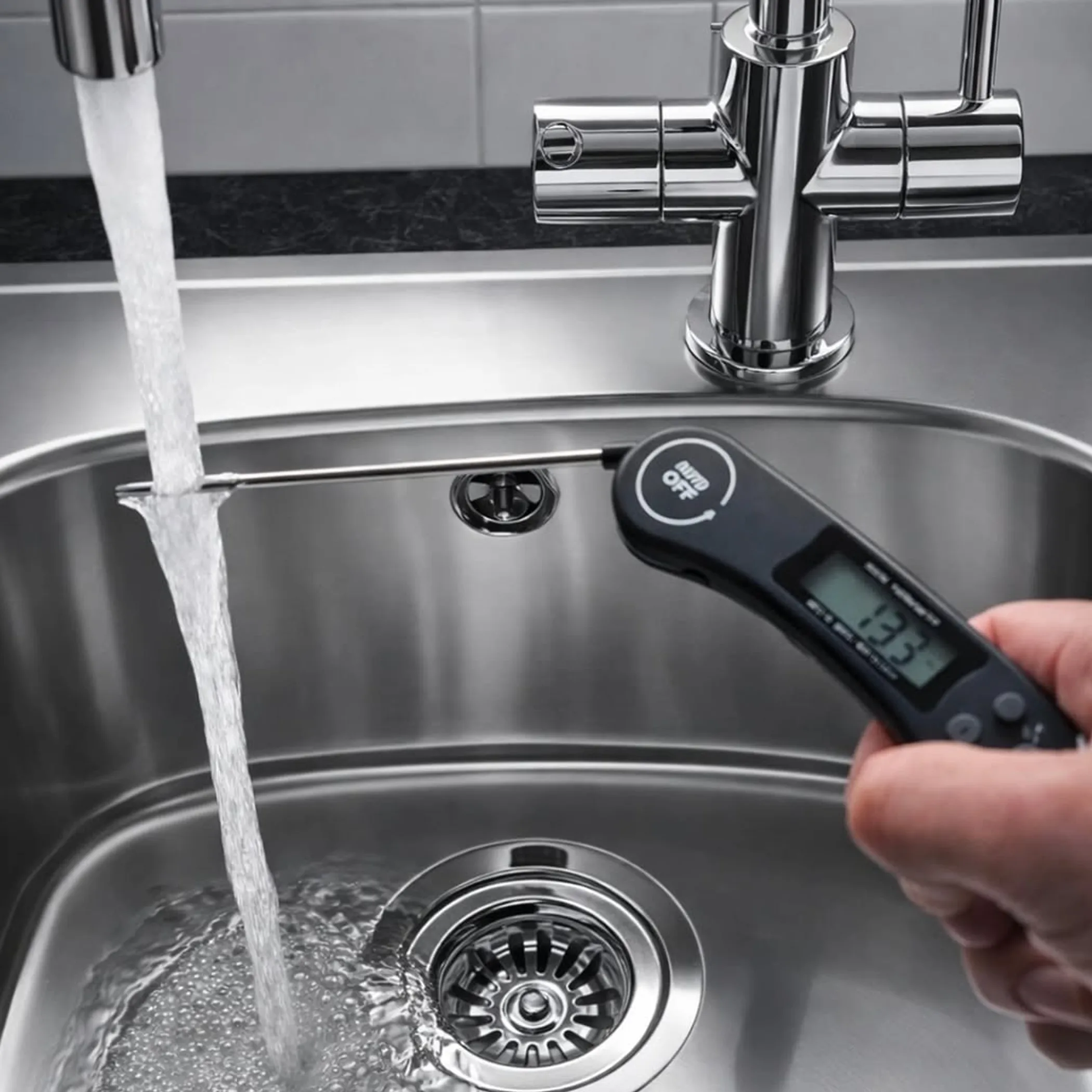
At this stage “good idea” becomes “must do”. You will be subject to tempering valve requirements in the course of putting in a new hot water system, doing major work to the plumbing or if your replacement of an old water heater brings you under current standards.
Take for instance a hot water heater swap. Homeowners are often taken aback to find that one cannot just replicate the old arrangement; new work has to conform to the rules in place now and not what was done when the house was put up.
Typical Triggers
In Victoria, a tempering valve is called for on any number of jobs, from new builds to the replacement of a storage unit where sanitary fixtures have to have their temperature controlled to code, or when there are substantial bathroom renovations. Your plumber will make a determination as to whether the scope of work obliges you to adhere to updated safety provisions.
- A new system on a new build
- Plumbing changes or a storage water heater being replaced
- Any major overhaul of the sanitary plumbing
- Where a building’s change of use imposes stricter limits on outlet temperatures
Then there is the matter of expectations. Some would have you believe the valve is discretionary so long as the water is not too hot to handle. But it is not a case of putting your hand in the basin in Ballarat or Brisbane on a mild day and making a call. The standard is set by the nature of the work and actual delivery temperatures.
The Law Of The Land
You will not find this is something to be done in the corner of the shed. An installation in Victoria, or anything that has bearing on compliance, is for a licensed plumber. Should the value of the job warrant it, a certificate of compliance may be in order. For warranty, resale, insurance and safety reasons, that is important. What a licensed plumber will do is put in the correct valve, set and test the temperature and put it on paper.
Testing
A competent plumber does not simply twist the tempering valve until the tap is to his liking. He will put proper equipment to the outlet to see how the system holds up under flow. If there is scale in the valve or cold pressure is erratic, a bit of fiddling is not going to fix it. This is why you see homeowners put in a call to Metropolitan Plumbing, H2Pro, McCarthy Plumbing Group, Same Day Hot Water Service or On Call Emergency Plumbers when a replacement has not gone to plan. In the end the licence and how well the result is explained count for more than the lettering on the side of the van.
Tempering Valves and TMVs
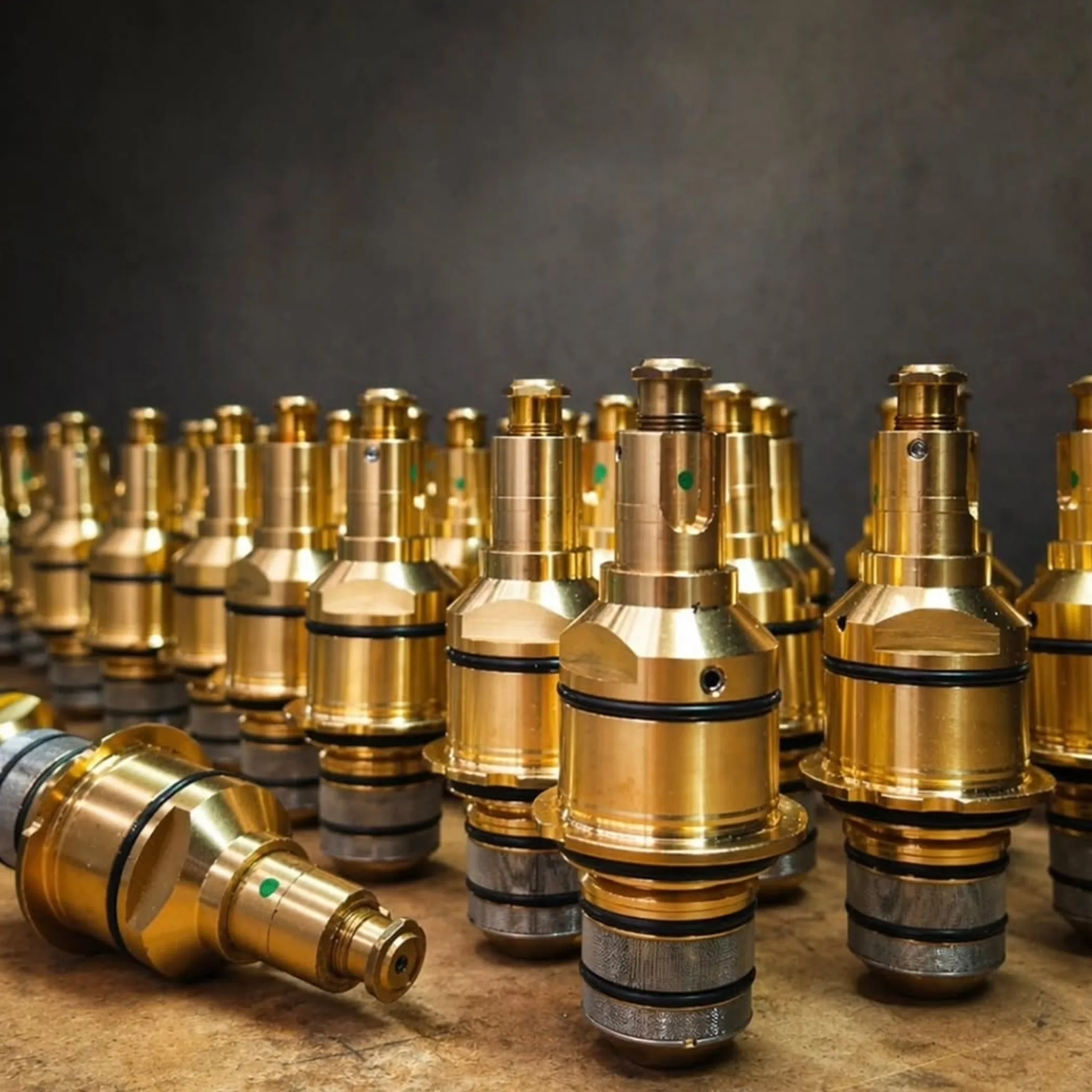
There is a relation between a tempering valve and a thermostatic mixing valve (TMV) in Victoria but they are not one and the same. While both are for mixing hot and cold, the TMV is for when you need to satisfy more particular performance standards.
For most of a home a tempering valve is what is needed. Put it this way: it is for domestic scalding prevention. A TMV is the choice for hospitals, childcare or aged care where the risk is different and the temperature parameters are narrower. So with a family home the discussion with the plumber will be around a tempering valve; where there are vulnerable occupants he will be talking about TMV maintenance and testing.
Signs of Failure
They are not built to last and they do not fail quietly. One day the water is fine, the next it is running cool or spiking, or you have inconsistency. I have written enough about home services and heard enough complaints to know that people are prone to lay it at the door of the heater. More often than not the heater is in good order and it is the mixing valve giving them grief.
If you are having trouble getting a comfortable temperature in the bathroom, or the flow is down due to a fouled valve, or there is a disparity with the kitchen, take note. Age, mineral deposits and parts wearing out will show themselves.
You will not find a one size fits all rule for when to replace a valve in the home; water quality, how it is used and the maintenance it has had are all too variable. As a matter of course, most plumbers will have a look at the valve as part of a hot water system service or safety inspection and put in for a new one if performance has waned, the manufacturer’s service life is up or they can no longer be sure of compliance.
| Issue | Likely Cause | What To Do |
| Bathroom water running too hot | Valve has failed or is out of adjustment | Have a licensed plumber put the outlet temperature to the test |
| Lukewarm water in the bathroom | A fouled or restricted valve, or one on its way out | See how the heater and valve are performing |
| Temperature that is all over the place | Some malfunction with the valve or an imbalance in pressure | Call in a professional for a diagnosis, replacement may be in order |
| System was only recently replaced | Could be a case of non-compliance or it was not set up right | Test results and paperwork should be confirmed |
As for cost, you can expect to put down anywhere from AUD 250 to 700 in metro Victoria for the supply and fitting of a new valve, more so if the job is awkward or part of a wider replacement. Labour rates, access and the need for any additional pipework will factor in. It is a market estimate rather than something regulated and fixed.
How To Stay Compliant
Make a note of this section. Compliance is not a matter of committing every clause to memory but of posing the pertinent questions before the work is under way and you have handed over the invoice to find your ensuite is capable of poaching an egg. I would approach a hot water safety check in Victoria like any other household safety: dull until it isn’t. A good quote from a licensed installer and some proper testing will spare you a lot of trouble down the line.
Questions For The Plumber
Under present Victorian rules does the job call for a tempering valve? Is a certificate of compliance called for? You want to know what storage and outlet temperatures the system is to maintain and if those final figures will be tested and put on record. Inquire as to the valve’s maintenance requirements and tell-tale signs of failure. Put it to him whether this is a major renovation or a simple replacement.
- Verify his licence and that the necessary documentation will be forthcoming.
- Get the planned temperatures for both storage and outlet.
- Have the affected outlets put through their paces for a final test.
- And put away the invoices and model information along with any certificates.
Time is short? Then a written quote and an assessment by a licenced plumber is where you start. If you are buying a place or have a bathroom reno in the offing, do the compliance check first before the wall linings and fixtures are in place. A DIY install is not for the faint of heart here; leave the guessing to someone else.
Common Misconceptions
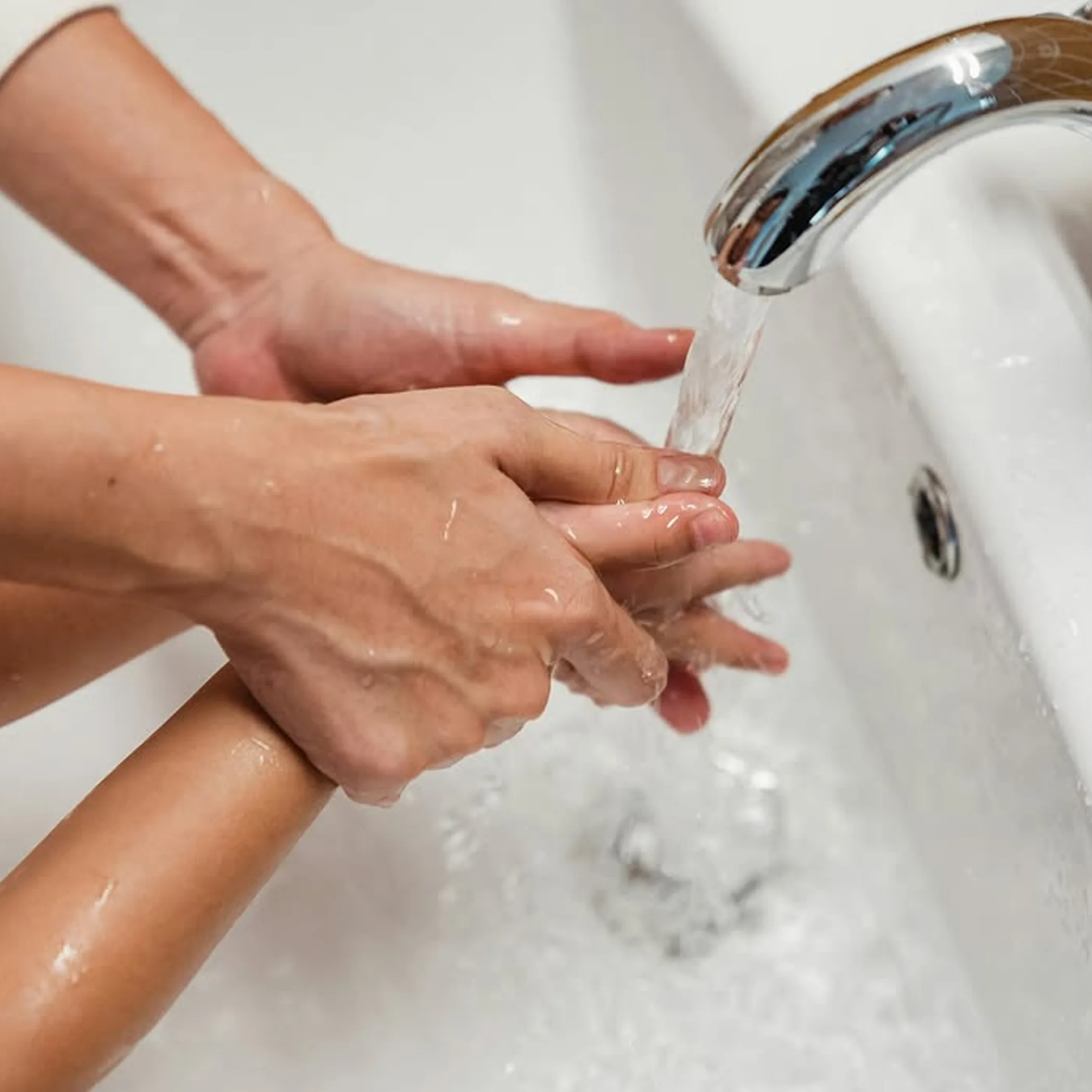
One is the notion that every tap in the house has to be capped at an identical temperature. Bathrooms are usually the concern for delivery limits, the kitchen or laundry might be different by design. Another is to think a tempering valve will give you more heated water out of your heater. It is not magic. It simply governs the temperature of what is delivered to guard against scalding.
What Homeowners Should Know
In Victoria, if there is new plumbing or a system being put in, a tempering valve is de rigueur for bathroom outlets in most cases. There is a difference between what the storage and delivery temperatures do and both are important. Put it in plain English as Arabella Kinsella would: the tank should be hot for hygiene, the tap safe for the skin and let a licensed plumber see to the installation and testing. No great glamour in it but then again, neither is a scald injury.
Frequently Asked Questions
Is a tempering valve mandatory?
For much of residential plumbing in Victoria the answer is yes, especially at the bathroom when you are renovating or installing a new system and have to adhere to standards.
When do they need replacing?
There is no date that applies to all homes. It is a function of age, usage, water quality and what the manufacturer says. If you are in any doubt as to compliance or the temperatures are not what they should be, have it seen to.
Does every home require one?
Not an older existing setup perhaps, but modern compliance will dictate it for many a replacement or new installation. It comes down to the work being done and the system itself.
On a hot water system?
Very often, in a domestic property at least where the bathroom sanitary ware is to be supplied with heated water. The valve allows the stored water to be kept hot while what is delivered is made safe.
Is that the same as a TMV?
No. You will see a thermostatic mixing valve in aged care or healthcare where the control has to be of a higher order. For the average home a tempering valve is the norm unless the use of the building dictates otherwise.
