Hot water repair or replace? What is the best course of action? In brief: if it is a newer system with a single component on the fritz, have it repaired. An old unit that is leaking from the tank or has running costs to match would be better off replaced. A bad thermostat is one matter; you are in a different position when there is tank corrosion, rusty hot water and breakdowns of the repeated variety.
Arabella Kinsella here. I am an Irish-Australian writer based in Brisbane and can vouch for the panic of a shower that is as cold as a winter morning in this city before you have to drop the kids at school. This guide will make plain the difference between repairing and replacing your hot water system, what you can expect to pay in Australia in 2026 and the questions to pose before any money changes hands.
Make The Right Choice
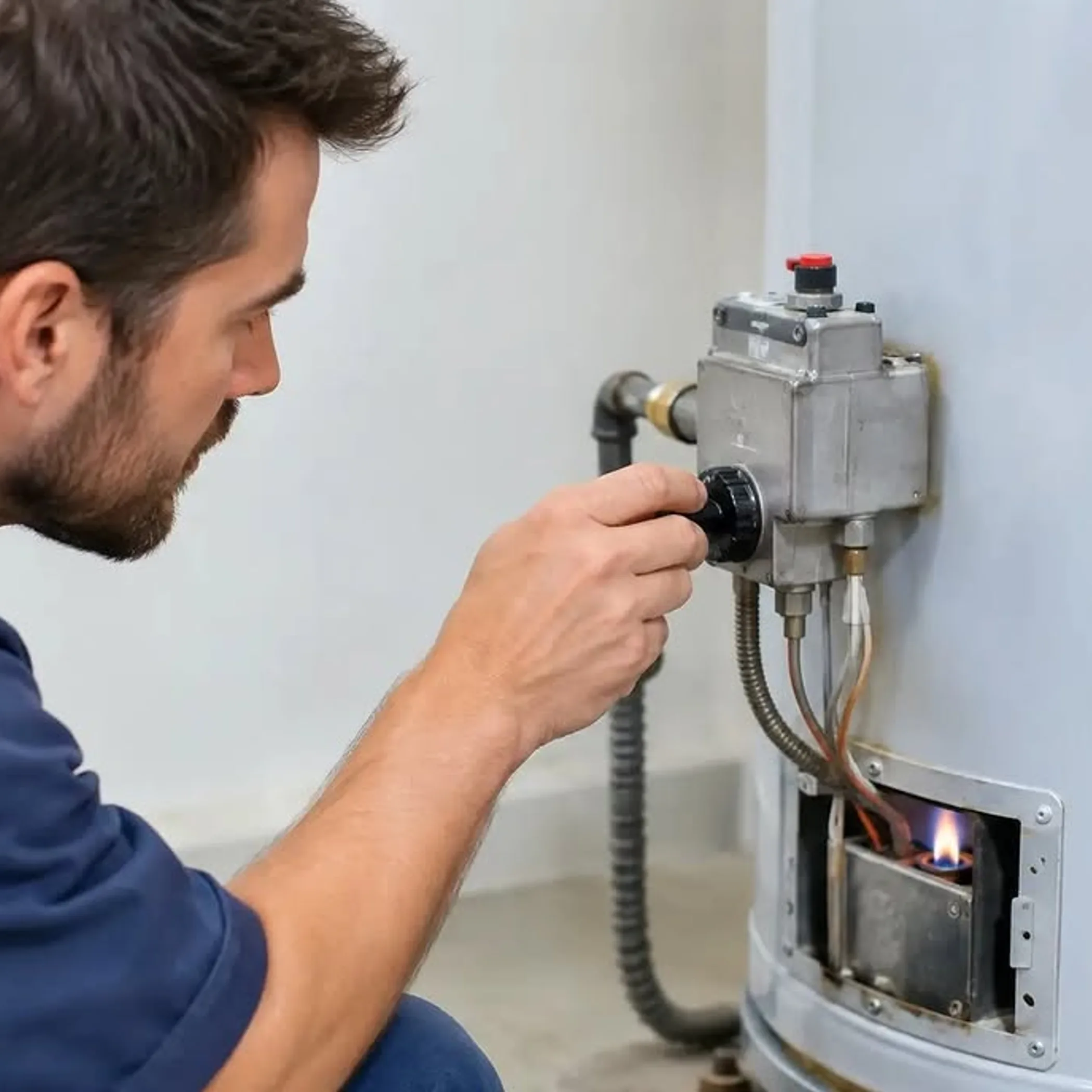
Running costs, condition, fault and age of the system will dictate the right fix. You might get your hot water back in short order with a repair but a replacement could mean greater energy efficiency and less need for emergency call-outs down the track. For local assistance, see hot water repairs Clayton.
Do not guess at it. Have a plumber or other licensed technician put the unit through its paces to see if the problem is an isolated one or indicative of more general deterioration.
Newer Units Are Better Repaired
Provided the electrical, pipework, casing and storage tank are in good order, a repair is sensible. Be it a tempering valve, pressure relief valve, anode, heating element or thermostat, these are all common enough to put right.
With an electric system, a broken heating element will leave you without heat yet the tank is fine. Why replace the whole thing if the system has some service life left?
Deeper Problems Call For Replacement
When the base is rusting or the storage tank is leaking, or there have been multiple faults in quick succession, replacement is hard to resist. You cannot put a small patch on a leaking hot water tank and be done with it; the tank is a pressure vessel and safety is paramount over wringing out another season.
In Melbourne’s Clayton and the suburbs around it, transport, access and disposal will figure in the quote. Make sure the price covers parts and labour, the removal of the old unit and delivery of the new, as well as any compliance work and testing.
The Case For Repair
If the rest of the system is in decent nick and the fault is obvious, then repair is often the most economical way to go. One does not have to put up with the disruption of having gas, electrical or roof-mounted solar components and pipework altered.
But do not assume a low cost makes it good value. I have put off an appliance’s time because the first repair was affordable only to have a second fault present itself before the household was over the first invoice. Hot water seems to have a way of breaking on a Friday afternoon.
Get A Proper Diagnosis
Insist on plain English. “The system needs attention” tells you nothing. Find out which part has given way, how urgent it is, how long the fix will hold and whether the tank or continuous flow unit is sound.
Your quote should make a distinction between labour and parts. It will also say if after-hours fees, testing, warranty and disposal are part of the deal.
Let Age Be A Factor
An older unit with a host of symptoms is not as good a candidate for repair as a younger one with a solitary failed component. Then again, performance is affected by maintenance, the quality of the installation and the demand placed on it, so age is not the sole arbiter.
As a rule, set the repair quote against the cost of putting in a like-for-like replacement. On an ageing system, if the repair is anywhere from a third to half the price of a new one, think twice. Take it as a budgeting exercise rather than any kind of official statistic; the warranty and nature of the fault will be the deciding factor.
Warning Signs
There are times when a repair is no longer sensible. Extensive corrosion, the tank itself leaking, a history of repairs that is like a subscription and hot water that keeps going are all strong indicators.
Any of the following should be given your attention: water that has pooled at the base, a valve that is hissing, a metallic odour or discolouration in the water. Should an electrical hazard or a leak present itself, put the system off in a safe manner and put in a call to a licensed professional.
Tank Corrosion: What to Look For
While some rust on the fittings can be put right, you will find that rust on the storage tank proper, its seams or base is a sign the vessel is on the way out. Then there is the matter of rusty hot water which could mean the sacrificial anode is no longer doing its job or there is corrosion within the tank.
A pressure relief valve that will not stop running is either faulty or indicative of excessive pressure or some other issue with the system. Do not be tempted to cap it up; it is a safety device and not an irritation to be obstructed.
Tallying Up The Failures
An occasional breakdown is just bad luck. But when several components are involved in as many breakdowns, the system has probably had its day. Before concluding a repair is the more economical option, make a note of all the emergency charges, parts and time lost on recent call-outs.
There are times when replacement makes sense: if the hot water is gone in no time, recovery is interminable or the system is hard put to it after normal use. Scale, poor insulation, a heating system in decline or lack of capacity could be the cause.
Lifespan Of The System
In Australia one’s hot water system will last longer or shorter depending on how well it is installed and maintained and what technology is in play. Do not take the lifespan figures on the tank as any kind of guarantee, but as a rough guide for planning.
The climate and quality of the water have an effect. A system can be made to run more reliably with regular inspection and a good installation, but then again high demand, hard water, salt from the coast or valves left to their own devices will cut service life short.
Storage Versus Continuous Flow
You can expect years of service from an electric storage unit though the odd element, anode or thermostat may want tending to before the tank does. With gas storage there are burners, flues and the like to see to so having a professional on hand is advisable.
Where space is at a premium a continuous flow or instantaneous hot water system is a good substitute since it does not have to store large volumes. Check the flow rate, the gas and electrical supply and whether simultaneous showers are feasible first.
Heat Pumps And Solar
Under the right circumstances a heat pump will put less strain on the electricity than conventional resistance heating. Provided there is room outside and the location is not going to be a nuisance to neighbours after dark, it is a viable option.
Solar can lessen the need for conventional heating but much depends on the roof, the shade, the state of the collectors and pumps and the booster. A broken booster is not reason in itself to write off the solar system.
Dealing With Hot Water Faults
It is well to have an idea of the fault for the purpose of asking pertinent questions, but do not let that stand in for a proper inspection. There are serious risks with pressurised water, gas and electricity.
What follows are symptoms to put forward when booking help, not an invitation to get to work on the unit.
Match Cause To Symptom
| Symptom | Likely issue | Typical response |
|---|---|---|
| No hot water | Thermostat or heating element has given way, or a problem with the gas/electrical supply | See if the component can be tested and repaired |
| Water at the base of the tank | A pipe or valve has failed, or the tank is corroding | Find where the leak is coming from, replace the tank if necessary |
| Water too hot | Some defect with the control, tempering valve or thermostat | Get an urgent look in to mitigate scalding |
| Rusty water, metallic smell | An old anode, plumbing or sediment that has been disturbed | Have the incoming supply and tank examined |
| Relief valve in operation | Excess pressure, a heating fault or the valve is worn | Let the safety system be checked, leave the outlet unblocked |
| Hot water depletes fast | Scale, a capacity or element problem | Weigh the cost of a repair against what a new system would put out |
Urgent Matters
When the system fails in an emergency a repair is only part of the equation, a safe interim measure is required too. Put in a call to the gas authority or an emergency service and vacate the premises if there is a smell of gas. Keep clear of any water in the vicinity of electrical gear and have a professional attend to it.
With a routine failure, step back and photograph the controls, model plate and any leaks. Make sure the technician has access to the unit, put the pets away and advise on getting to the garage, roof or meter box. In an apartment building you will want to check on loading and parking and building access ahead of the appointment.
2026 Australian Costings
What an Australian household in 2026 will be put out of pocket for a hot water repair is a function of the system type, where it is sited and how accessible it is, as well as the nature of the fault and what time of day it is called in. For a replacement, capacity, technology and any compliance or disposal issues will figure in the cost, not to mention the intricacies of the installation.
The following are indicative budgeting ranges in A$, not set in stone. One can expect wide variations between Melbourne, Brisbane and the regions, and emergency call outs are another matter entirely; have a written quote in hand before you give the nod on anything that is not urgent.
| Work / System | Indicative 2026 budget | Price determinants |
|---|---|---|
| Basic valve or thermostat | $180–$450 | For the part, the access and the call-out fee |
| Electric element | $300–$700 | Labour, testing, wiring and the kind of element |
| Gas hot water | $250–$900 | Burner, flue, gas work, valve and the requisite checks |
| Continuous flow unit | $250–$1,000 | Access, manufacturer parts, heat exchanger and controls |
| Electric storage replacement | $1,500–$3,500 | Plumbing and electrical, removal of the old, capacity |
| Gas storage or continuous flow | $1,800–$4,500 | Location, flue, gas connection and to be in compliance |
| Heat pump | $2,500–$6,000 (rebates aside) | Site conditions, size of system, electrical and rebate rules |
| Solar | $3,000–$8,000 (rebates aside) | The layout of the replacement, tank, booster, roof access and collectors |
Line By Line Review Of Quotes
Do your comparisons on like terms. An attractive price might be missing the delivery, the unit itself, an after-hours labour charge or the job of removing the old system and putting in a tempering valve.
Inquire as to the written warranty on both parts and labour and from the maker, and if the unit they have quoted can handle the peak demand of your home. There is no point in a cheap system that is too small and has everyone making do with a tepid shower.
Be Confident In Your Decision
There is a simple way to go about it: put the fault in perspective, see what the system has been through, then weigh up the running costs and warranty against the price of a fix or a new one. Should the quote seem hurried or the diagnosis in doubt, a second opinion is warranted. It also comes down to the length of your tenure in the property; a long term home may warrant a replacement whereas a short term one does not, provided the existing setup is safe.
A Quick Checklist
- Note down the model, type and capacity of the system and when it was put in.
- Put camera to any corrosion or leaks and the data plate, from where it is safe to do so.
- Find out if it is a control board, burner, element, valve or tank issue.
- Have them put separate figures on the books for a repair, a replacement and any urgent work.
- Get confirmation on the completion time, disposal, warranty and compliance.
Household Demand
Take stock of the laundry, dish washing and showering during the day’s rush. A single person is not going to require the largest unit on the market but a family of some size might want a higher recovery rate.
Those wanting local help might put in for hot water repairs Clayton to see what is on offer in the vicinity. Make sure the technician is licensed for the task and the quote is for the whole of the job, not just what is easily seen under the bonnet.
On To The Next System
A replacement is an opportunity for a better fit and more efficiency but there is no need to default to the most involved technology. A good system will be one that strikes a balance between the cost of purchase, space and energy on hand, hot water needs and what is required by way of maintenance.
There are government rebates to be had for qualifying heat pump or solar hot water systems, though one should not put too much stock in them for budgeting purposes without first consulting the Australian Government’s official energy rebates site; eligibility, as well as the programs and sums involved, are subject to change.
Practical Priorities
If you value an uncomplicated install and a service record you know, an electric storage system is the way to go. Gas supply and ventilation being in order, one might opt for a gas hot water repair or replacement, but make sure the prevailing safety and installation rules are met. For those with no wish for a big storage tank, a continuous flow unit is appropriate. A heat pump has its appeal for the owner who is mindful of running costs over the long haul and can find room for it at a price the quote makes plain. And where the roof and usage patterns allow, solar hot water is worth considering.
The Big Questions
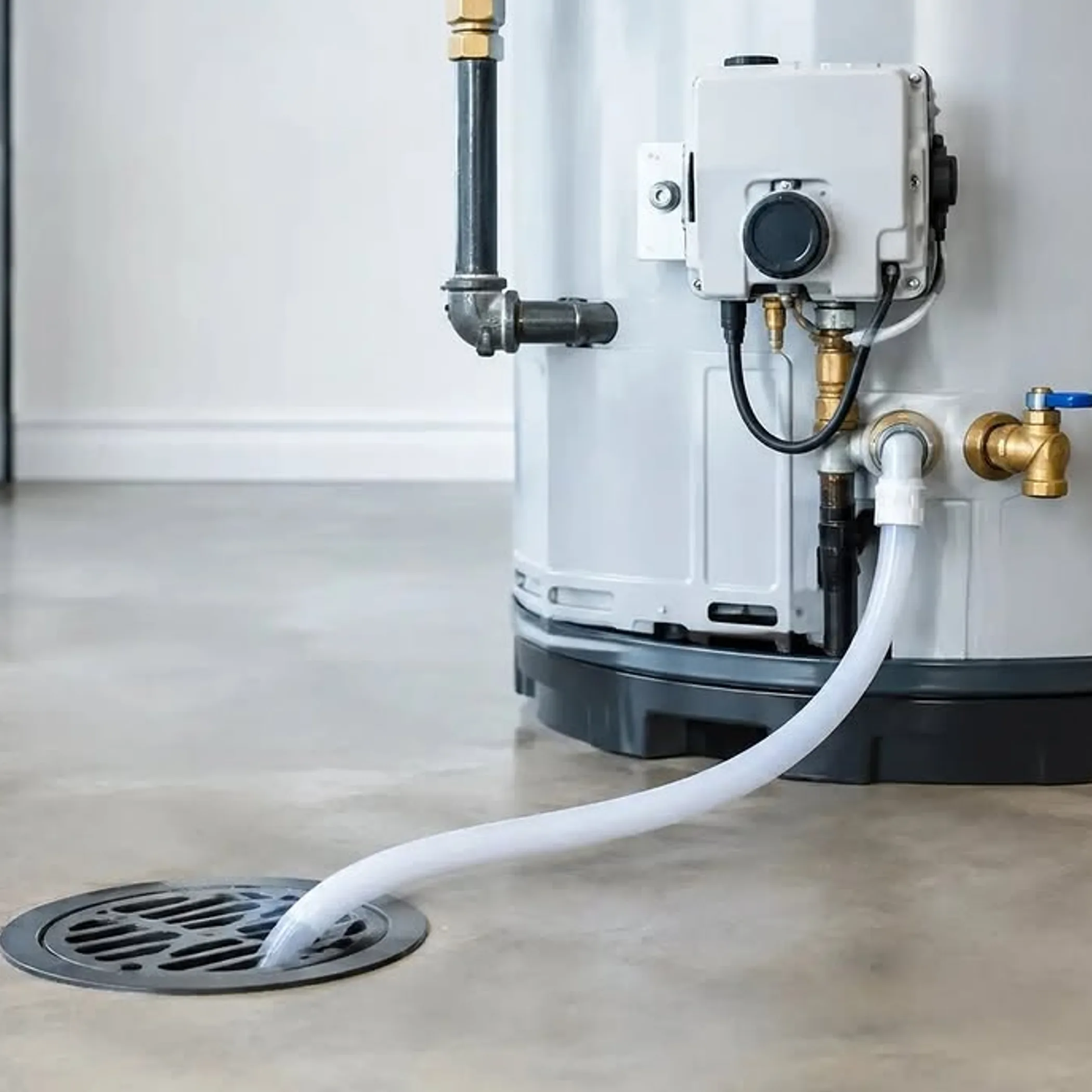
Homeowners have their usual questions to put before they give the nod to a repair or a new system. The truth of the matter is “it depends” more often than not, yet there are tangible factors that will decide the issue.
To Repair Or Replace?
If the tank and main body are in good shape and the problem is contained, a relatively new unit is best left to be put right. But if the tank is corroded or leaking, or faults are a habit, or the system is done its run, then replace it. The same goes if the cost to fix it is a sizeable part of what a new one would set you back.
2026 Repair Costs
You can expect to pay several hundred dollars for most routine work, though something involved with gas or continuous flow, or after hours, will be pricier. Our guide puts indicative repair budgets at anywhere from $180 to $1,000, but labour, access, parts and how urgent it is will determine the final figure.
Life Expectancy Of Electric And Gas
They will serve you for years but do not look for a guaranteed lifespan. Water quality and the conditions of the install play a part. You may have to maintain the burners, valves, elements, anodes and controls and in some cases the storage tank gives out before the rest of the components.
Is The Tank Done For?
Signs are a leak from the vessel, loss of pressure time and again, or hot water with a persistent rustiness. Substantial corrosion is another. Do not order a new unit until you have ascertained the source of a leak; a valve or connection can be mended.
Does It Make Financial Sense To Repair A Leaking System?
Only in the case of a pipe or fitting that can be swapped out. When the storage tank is at fault, replacement is the surer bet. Have the source of the leak, the full price of the repair and how much life is left in the system put to you in writing.
In Australia the question of whether to repair or replace is not a matter of price for the majority of households. Fix what is sound and amenable to it, and put in a new system when the old one is failing or past its prime. Put the warranty and any rebates in the equation and compare all the costs in AUD, and select what is right for your home instead of whatever looks best in the catalogue.
