There is no need to make a science of it. The process for an indoor concrete floor is straightforward: get the loose grit out, mop with warm water and a pH-neutral cleaner in small increments, then rinse and dry as you should. Of course the method will vary according to whether the flooring is polished, unsealed, unfinished or has been sealed.
Arabella Kinsella here. In my experience one does not have to deal with a dramatic incident for floors to give you trouble. More often it is the gradual accumulation of fine particles and dirt from being tracked in, some cooking grease and the odd mark left behind by the children after they have put in their “helping” hands. A little routine goes a long way to stop that kind of grime from turning into a chore.
Quick Cleaning Overview
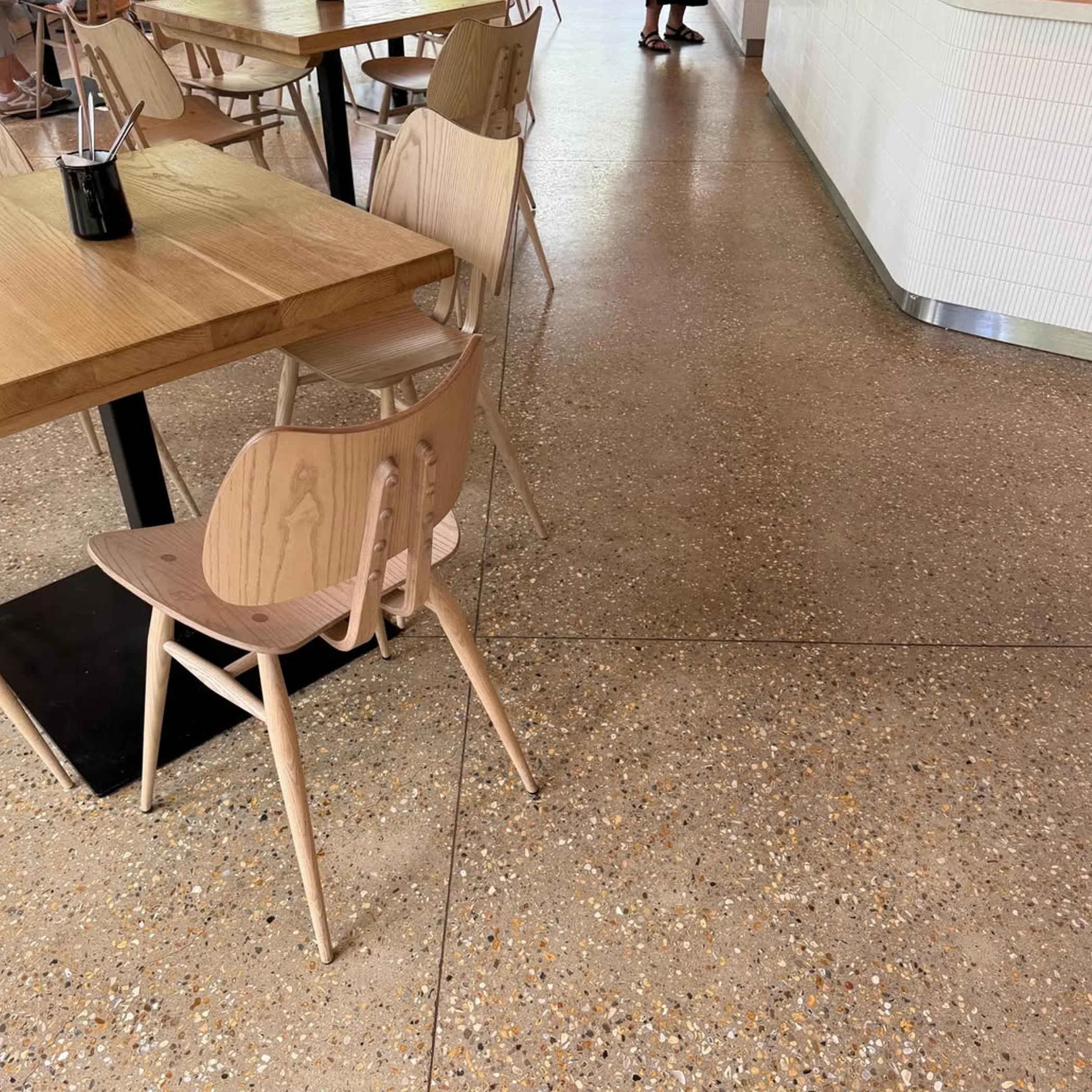
While concrete floors are hard-wearing they are not indestructible. Grit will scratch a polished finish and too much water can do untold damage to unsealed or unfinished concrete.
So the general rule is to dry clean before you wet clean. And if you are unsure of the sealant or finish, put any product to the test in an area that is not on show before you go at the whole floor.
| Floor Type | Best Routine | What to watch for |
|---|---|---|
| Polished concrete | Dust mop or vacuum; a microfibre mop with pH-neutral cleaner | Residue, dulling and scratches |
| Sealed concrete | Sweep/vacuum then a light mop | Wear and tear on the sealer |
| Unsealed concrete | De-dust and spot-clean with care, dry off straight away | Water absorption and staining |
| Unfinished concrete | Vacuum and scrub in spots, do not flood | Powdery residue and deep marks |
An average room will take 20-40 minutes to see through properly, drying time included. You may have to put in more than one pass on a porous or greasy floor. Then there is the weather; evaporation is quicker in a room with a breeze but the humidity in Brisbane can put the brakes on it.
Gather The Right Supplies
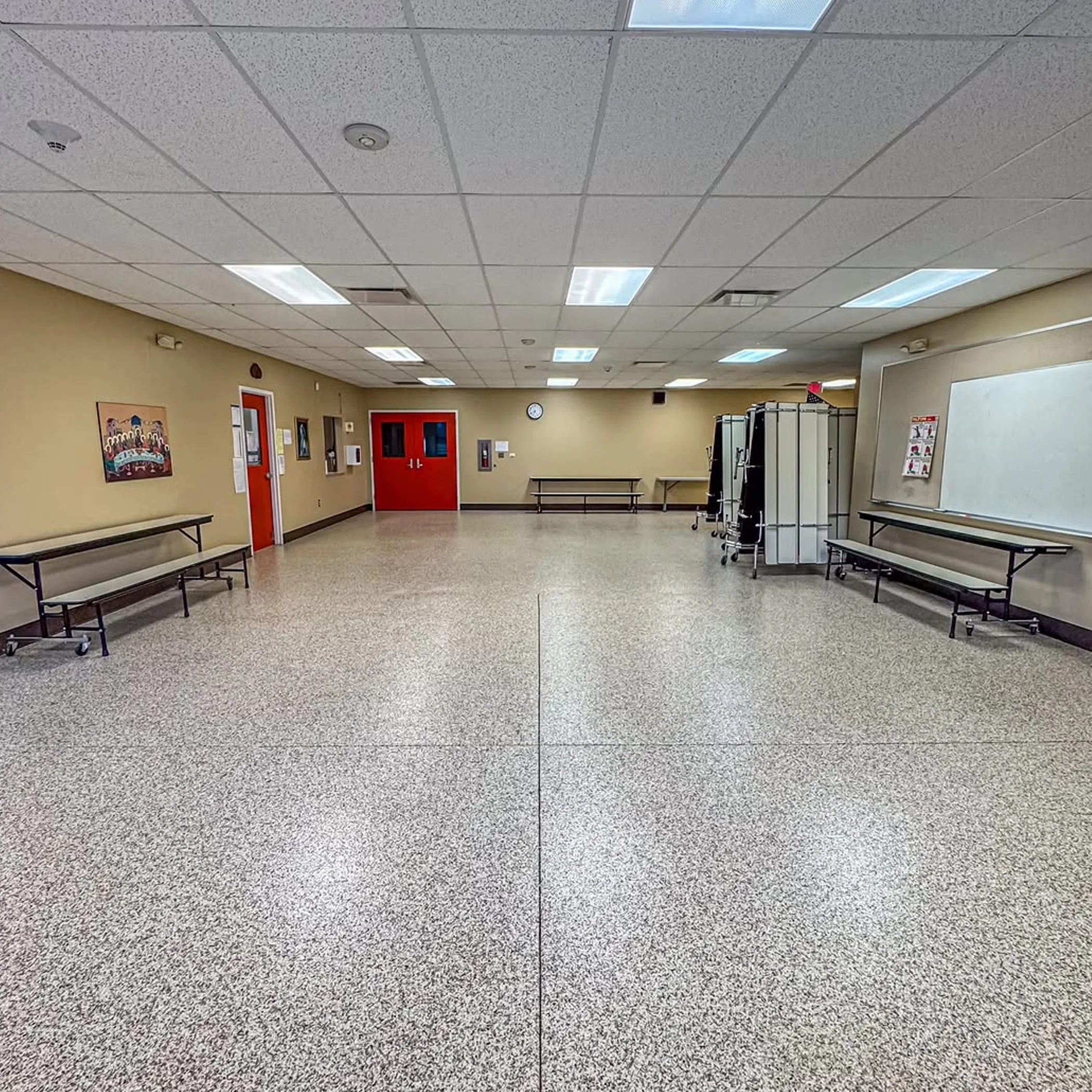
You do not want anything overly dramatic when it comes to an indoor concrete floor cleaner. Something with a neutral pH for hard or sealed floors is a good bet to get at the everyday dirt without having to resort to harsh acids.
And make sure your tools are up to it. There is no point in using a soiled mop to put yesterday’s kitchen on the lounge room floor.
- A soft-bristled broom or dust mop
- Hard-floor setting vacuum
- Microfibre cloths and mop
- Cleaner appropriate to the finish (pH-neutral)
- Two buckets for rinsing
- Warm water, gloves and towels
- Soft nylon brush to get at stains
Heed the label on the cleaner for ventilation and dilution. Do not be in the habit of mixing products; chemicals have a way of reacting and the emergency department is not the place to be for a shiny floor. For information on chemical hazards and how to read product data, Safe Work Australia has its own guidance for Australian workplaces.
Method With Little Risk
The common error is to rush to a wet mop which only serves to make an abrasive paste of the grit underfoot. A sensible sequence is to start with the dry debris and leave the floor dry at the end.
Put the furniture and mats aside and work from the corner furthest in to the door, thus avoiding mopping yourself in or walking over what you have just done.
- Remove furniture, mats and loose objects from the area.
- Sweep or dust mop up any hair and loose particles.
- Vacuum the edges and joints.
- Dilute the cleaner per the instructions and make a test run in a concealed spot to let it dry.
- With a well-wrung microfibre mop, tackle a small section.
- Rinse the mop often to keep from spreading the dirt around.
- If called for by the product, give the surface a rinse.
- Use clean towels to dry or open up the room to the air.
- Do not put the furniture back until there is no sign of slippery residue.
On Water And Pressure
Indoor concrete should not be flooded even if it can stand a damp mop. Unsealed concrete in particular will let water into the pores and joints and it can pool under a mat where it will not dry. A mop that is dripping is too much; you will know it by the puddles. Hard scrubbing pads and rotary tools are to be eschewed on polished concrete unless a flooring professional or the manufacturer has put in a recommendation for them.
The Finish: Have a Look
A quick way to tell if your concrete is porous or has not been properly sealed is to put a couple of drops of water on it; should the surface go dark in a hurry, take that as a warning not to let the area get soaked. It is not an exhaustive assessment of the floor but a handy one.
You will want to be on the lookout for a sheen, white powder, flaking, dullness or any exposed aggregate. Such things can point to a damaged finish, moisture movement or plain wear. No amount of cleaning is going to put a failing sealant back together and you will only draw more attention to it with repeated scrubbing.
Stains on the Floor

Indoor concrete stains are best dealt with by first ascertaining the substance and then using the mildest method appropriate. Blot up anything fresh right away. There is no sense in scrubbing at random; it has a way of driving grease into the pores of the concrete or spreading coloured liquids, leaving a lighter ring about the mark.
Oil and Grease
Start by blotting the excess with an absorbent cloth or paper towel, making sure not to wipe outwards and make the stain bigger. Put some pH-neutral cleaner on a damp cloth and work in from the perimeter. A soft nylon brush is of some use on unfinished or unsealed concrete. Rinse off with a little clean water and dry.
An older mark might call for a degreaser that is safe for concrete. Do as the label says and test beforehand. Should the porous nature of the concrete hold onto a shadow despite your efforts, there is nothing to be done about it.
Food and Drink
Coffee, tea, wine and juice should be blotted, not rubbed. A microfibre cloth and some diluted pH-neutral cleaner will do, applied with gentle repetition rather than force. On unsealed concrete where the mark is tenacious, a paste of baking soda and water can be made and left for a short while before you agitate and rinse. But since baking soda is somewhat abrasive, do not use it on polished concrete without checking the flooring instructions.
Rust and Scuffs
Gentle pressure with a damp microfibre is usually enough for a rubber scuff, or a soft nylon brush if necessary, provided the action is kept in one place. With rust one has to be circumspect as acidic removers can have an effect on sealants and cement. Do not be inventive with strong acids. Where the mark is large or the finish of some value, have a specialist look at it prior to putting any chemicals on it.
Polished Concrete
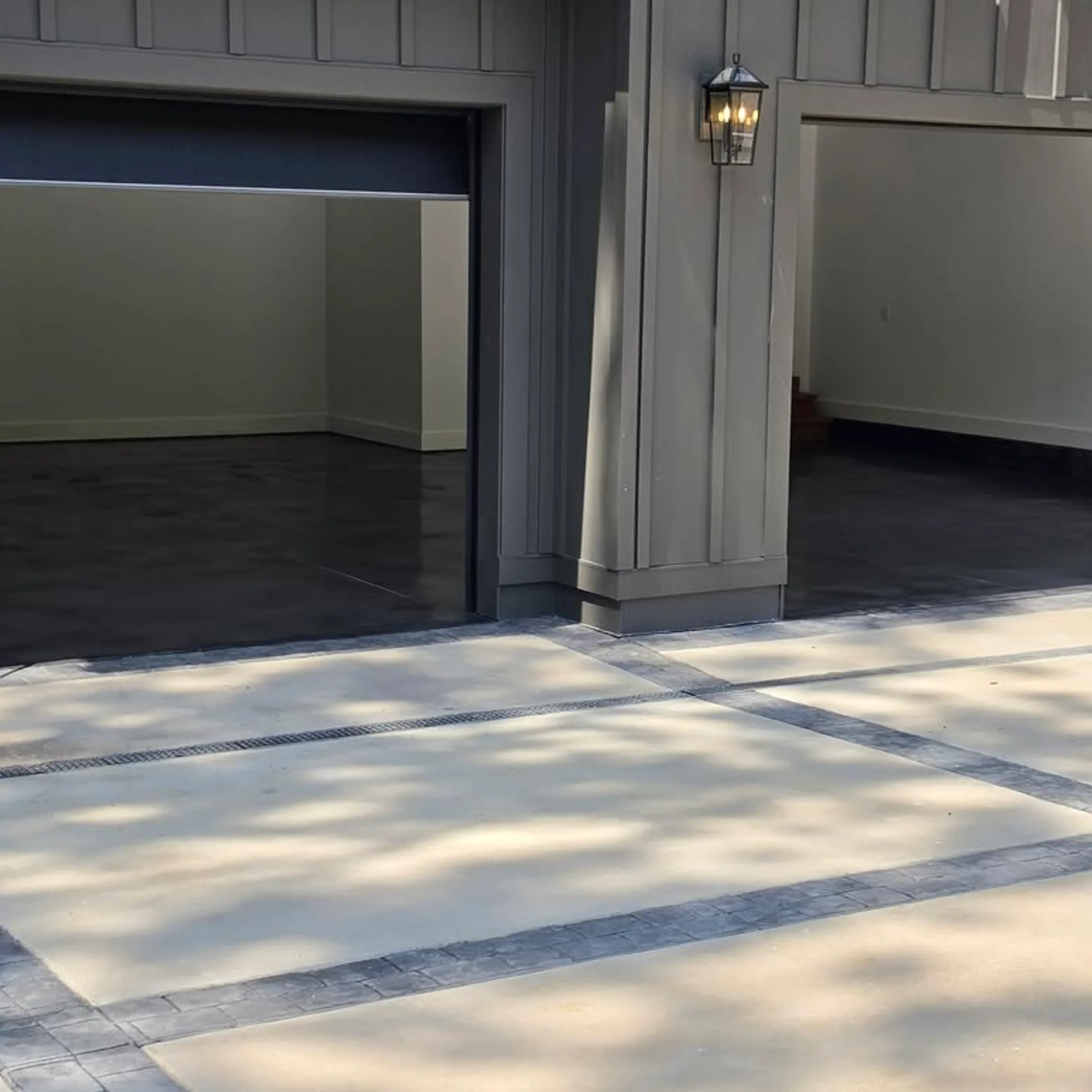
To clean this at home, prevention is key. Dust mop or vacuum and then apply a cleaner meant for polished surfaces, be it a dedicated product or something pH-neutral. A microfibre mop with not too much water is what is called for. Leave the wax, stiff brushes and film-forming products aside; they will leave the concrete looking cloudy or underfoot slippery when the light is on it. And fine sand is like sandpaper after a time, so lift heavy furniture instead of dragging it and put down soft pads.
Sealed and Unsealed Varieties

One must tailor the care to the surface. An unsealed or unfinished floor is far less forgiving and more absorbent than its polished counterpart. Yet many will treat an indoor floor with decorative aggregates and coatings the same as a garage slab.
Sealed Concrete
With sealed concrete the sealer does the work of limiting absorption so wet-cleaning is simpler, though spills in the kitchen or entryway should be seen to at once. A damp mop is fine, standing water is not. Make it a point to check high-traffic spots now and then for any peeling or cloudiness; if the sealer is on its last legs, more cleaner will not address it.
Unsealed Concrete
Unsealed concrete indoors calls for some restraint. Spot-clean and dry promptly, do not flood the room. A cloth or soft brush with a bit of diluted pH-neutral cleaner is sufficient, followed by a light rinse and a good blotting. Rugs or boxes left on a damp spot will trap moisture and you will end up with a darker mark.
Unfinished Concrete
As for unfinished concrete, the approach is the same as for unsealed, only the surface is likely to be rougher and more porous. A broom will tend to work fine dust into the joints and texture, so vacuuming is preferable.
Change the water once it turns grey and keep to sections that are easy to handle. Should the floor put out powder with any regularity or take in a spill on the spot, put in for some guidance as to if a protective sealer is called for in the room.
Cleaning Products To Steer Clear Of
The appeal of certain household remedies is their price and familiarity, but what is familiar is not necessarily right for concrete, let alone when there is a polished finish or coating to contend with.
Do not make of white vinegar a one-size-fits-all cleaner for concrete. Being an acid it has a way of dulling, etching or otherwise compromising sealants and finishes with time. The same can be said for products heavy on solvents, abrasive powders, strong acids, ammonia or bleach which risk discolouration, fumes and damage. Under no circumstances mix vinegar with bleach or like cleaners. A steel wool pad or stiff-bristled brush is best left to other tasks; what is fine for an oven, a toilet or pavers outside is all wrong for your indoor flooring.
A Maintenance Routine Made Simple

Much of maintaining a good floor is to prevent spills and grit from becoming a nuisance. Concrete is better served by light cleaning done often than a heroic scrubbing now and then.
Make use of entrance mats, provided they are clean and have a backing that will not stain or hold moisture to the floor. Where there are pets or children an absorbent mat is in order by the door, near a water bowl or where crafts get messy.
In high-traffic parts of the house vacuum or dust mop a few times a week. Do not resort to copious amounts of water to wet-clean unless the floor is tacky or soiled. Put right any spill at once and give the surface a once over after you have put away a rug or shifted some furniture. If the floor is sealed or polished, the contractor’s word on resealing or upkeep is to be preferred to some generic internet formula, as finishes differ.
One Day Reset
When a day is all you have, concentrate on the kitchen, dining and entry room and any area with marks. After moving small pieces of furniture and a good vacuuming, do a spot-treatment of stains and then wet-clean the principal walking path.
Let poor drying conditions dictate whether low-traffic zones are put off. Make sure to put fans on (but not in a way that recirculates dust) and open up the place with doors and windows where you can, and keep foot traffic and animals off until the surface is through and through dry.
Call In Help

Routine dust and fresh spills are well within the scope of DIY. But for flaking coatings, deep oil, rust, persistent dampness or a decorative finish of value, it may not be.
If a test patch leaves the surface looking lighter, cloudy or powdery, or gets sticky, desist. An enthusiastic experiment gone wrong could end up costing more in refinishing than the fee to a professional who can put a compatible treatment to work.
FAQ
What is the best cleaner?
A pH-neutral type, diluted per the label, for the finish in question. Forget the heavily scented stuff, a microfibre mop with clean water is what matters for most indoor concrete.
Is concrete safe with vinegar?
Not as a rule. White vinegar’s acidity is no friend to sealants or polished concrete. Test anything you are not sure of first, otherwise stick to a pH-neutral option.
Steam mops?
Only with the manufacturer’s say-so. The heat and moisture can be problematic for joints, porous surfaces and the like. A controlled damp mop is the safer bet.
Oil removal?
For new oil, blot it, put on a concrete-safe cleaner and work from the edges in, then rinse and dry. You may find old stains in porous concrete do not fully budge and require a pro.
To seal or not?
It can make cleaning easier and deter stains, but one has to consider the room, the look of it and how much moisture there is. Get an assessment done on unsealed concrete before applying a sealer, particularly if it is putting out powder or is damp.
Calm and Consistent Cleaning
Steady care is the answer: rid the floor of grit, employ a pH-neutral cleaner and limited water, rinse as you should and see it is properly dry. Whether the concrete is polished or unfinished, match your approach and deal with a stain gently before it takes hold.
With a bit of common sense even the most demanding floor is kept in good order and one does not have to make a Saturday production of mopping.
