You will find the Mutitjulu Waterhole at the foot of Uluru, a culturally important site that is part of the Kuniya Walk in Uluru-Kata Tjuta National Park. The short of it is you are welcome to come when the walk is open, but do not expect to be able to swim. It is an integral part of nature and a sacred place, not somewhere for a casual cool down.
One would think most would come for a photo or two and be on their way. But once you have some appreciation for the Anangu stories and what a permanent source of water means in the Red Centre, mutitjulu waterhole is not viewed in quite the same light. Nor is it the sort of place for any noise or trying to get over a barrier for a vantage point. I am Arabella Kinsella and I put forward my travel advice as I see it: no waffle from the brochure, just the honest and practical facts.
The Reality of the Place
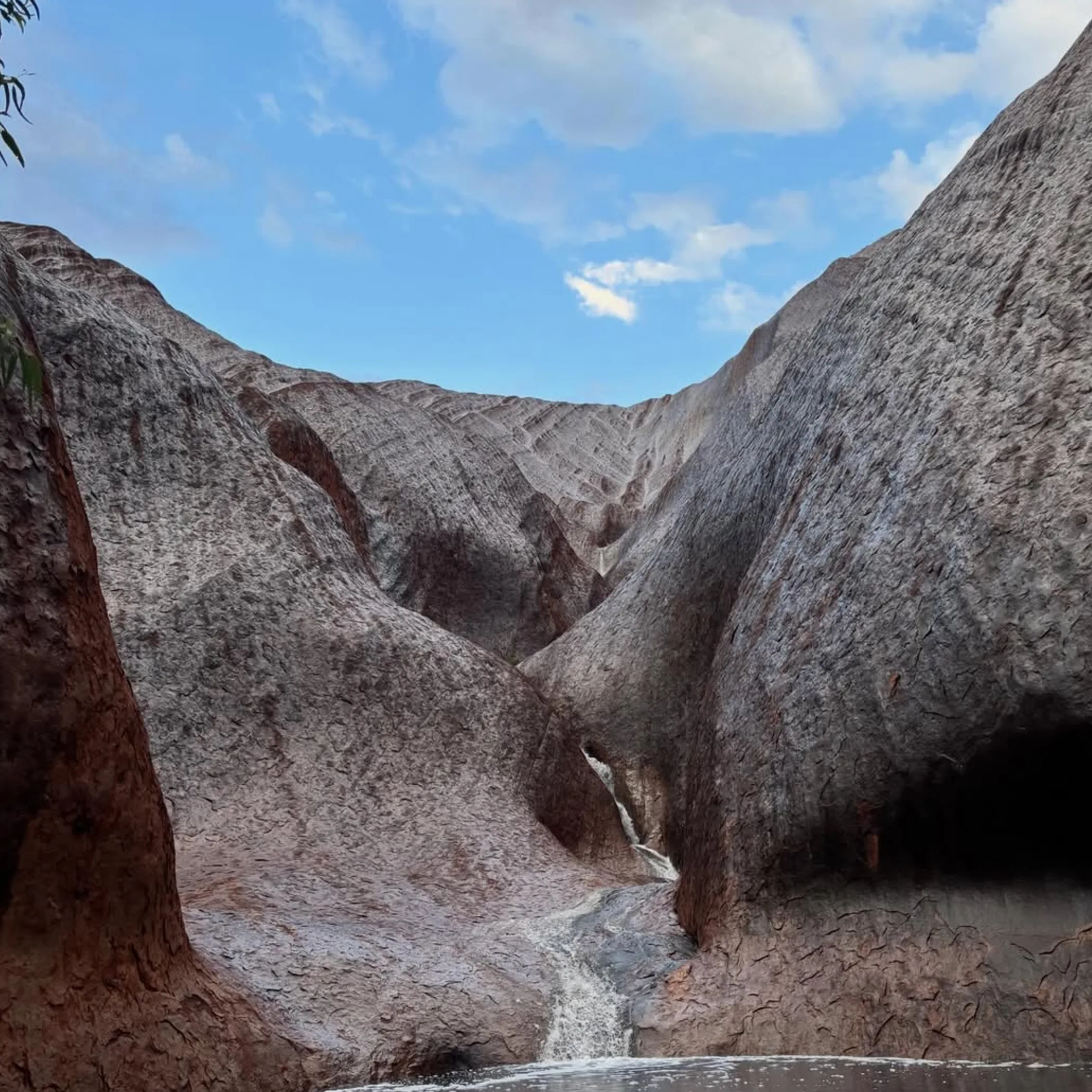
Travellers can be forgiven for overlooking this. Mutitjulu Waterhole is more than a mark on the map near Uluru; there are expectations of the visitor here, as well as cultural and ecological worth.
Along the Kuniya Walk at the base of Uluru you will come upon the waterhole and its connection to Tjukurpa, the law and stories of Anangu. On a physical level it is of consequence too. In a terrain that is dry and hard going for long periods, having a reliable supply of water is all the difference to the flora, fauna and humans.
Of what import is the Kuniya story and Kuniya Piti?
There are ties to the deeds of Liru and Kuniya in Tjukurpa so the site has a resonance you will not pick up with a cursory look. You are in a cultural landscape as much as you are in front of some red rock and water.
Parks Australia makes a point of Uluru-Kata Tjuta National Park being under joint management with Anangu. To be sure of the rules and for official word on park access, refer to Parks Australia’s information for the national park.
How to Go About It
Provided you are put up in the vicinity of Uluru, there is nothing complicated to visiting. What people do is not give enough credit to the heat or drive times and how a “short” walk is another matter when the sun is out in force.
From Ayers Rock Resort in Yulara where most are based, a 20 to 30 minute car journey will put you in the Uluru area of the park. Allow for that depending on your location and the traffic at the entry, and the time taken by others in the car park to put away the water bottles and reposition the children.
Parking and Roads
Make for the Kuniya Walk / Mutitjulu section at the bottom of Uluru after entering the park. The roads are sealed and a two-wheel-drive will do fine; there is parking in the allotted space. You do not need to make an off-grid expedition of it, but fuel and water are a good idea and it is best to steer clear of the day’s peak heat.
Do not be under the impression that one can meander between all the Uluru experiences. The distances are greater than a brochure would have you believe and if you are putting in some of the Base Walk as well, be sensible with your time.
The Kuniya Walk
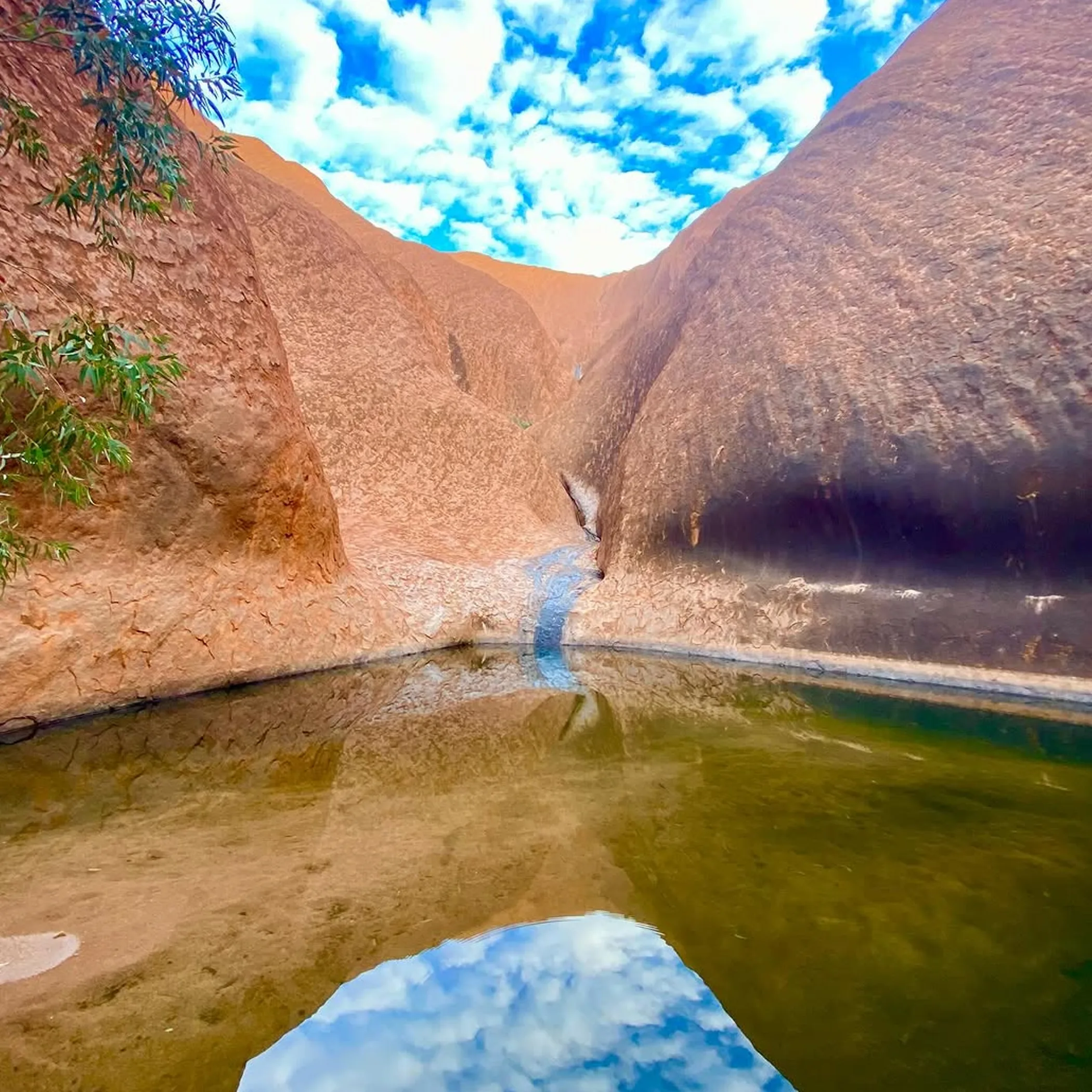
For those intent on seeing the waterhole, the Kuniya Walk is the practical route. An easy return on a formed path, it is among the park’s more accessible options for the traveller who does not relish a big hike. Though called easy, in the Red Centre that is relative to the conditions and your footwear and whether the children can be coaxed with a snack to put in a few metres.
In terms of the basics
the walk from the car park to the waterhole and back should take in the region of an hour, 45 minutes at the least, for many visitors to complete without any fuss. A 1 to 1.5 hour allocation is advisable for those in no hurry, who wish to peruse the signage and put a camera to use, or are accompanied by young children or elderly relatives.
| Section | What To Expect / Difficulty / Realistic Timing |
| Kuniya Walk Return | An easy proposition for most visitors on the formed path from the car park to the waterhole and back. 45–90 minutes. |
| Photo Stops | For the rock textures, interpretive signs and shady spots, allow an extra 10–20 minutes of minimal effort. |
| With Young Kids | Expect a more manageable if slower 60–90 minutes with the inevitable shade breaks and frequent halts. |
| Combined With Base Walk | Part of a larger day at Uluru. More of a physical demand overall so plan accordingly. |
Who It Suits
Families with school-age offspring, older folk at ease on a short track, and any traveller with but a day at Uluru in search of something of substance will find this walk to their liking, as will those after some cultural context without the long hike.
Then again, it is not for the one in a rush to tick off social media, anyone who has trouble with the heat or is under the impression there is a swimming spot here. The site requires a certain kind of attention.
Cultural Meaning Comes First
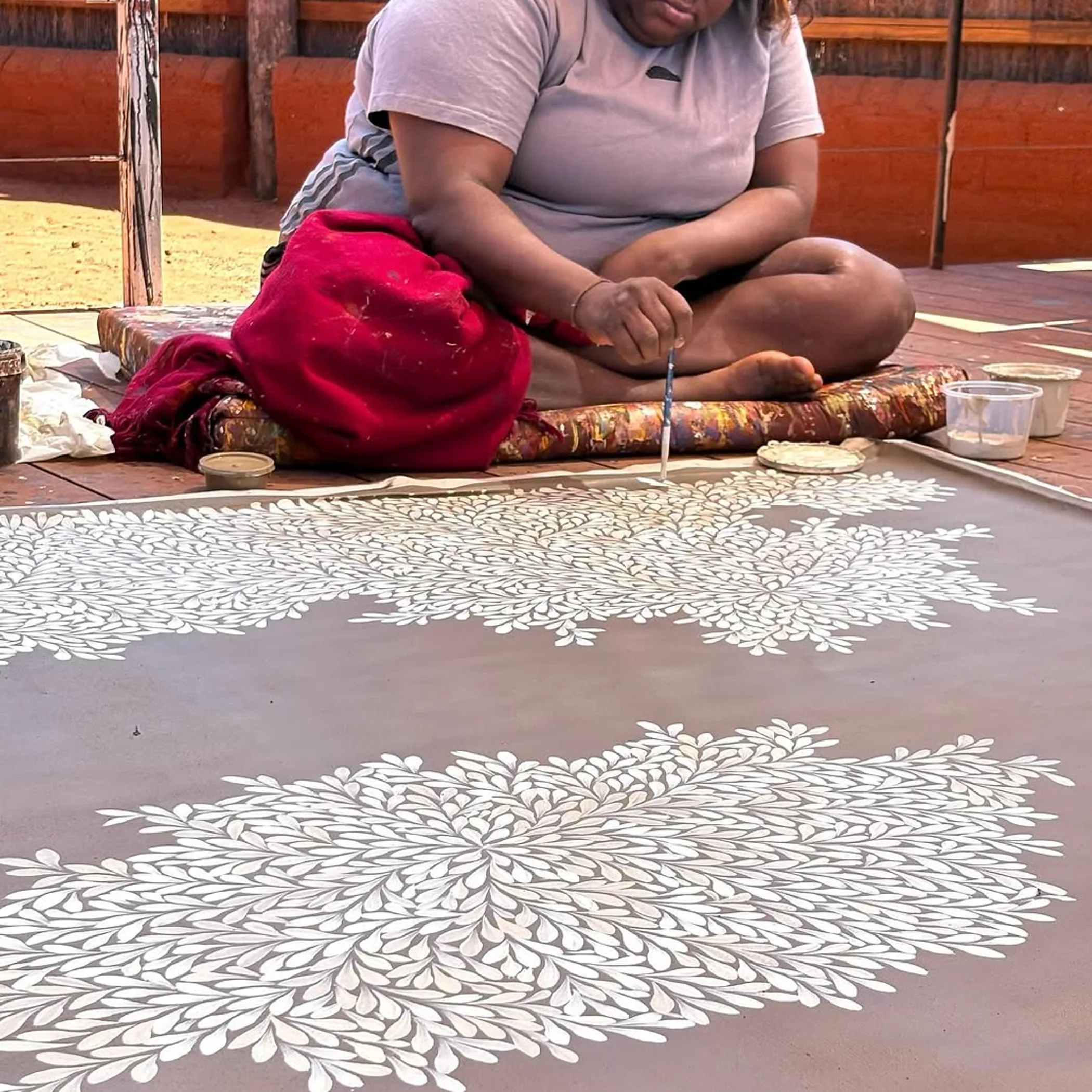
Not an optional extra, this is what the visit is about. One should be reminded that the place is of import by virtue of Anangu culture and Tjukurpa, not its photogenic qualities. As Arabella Kinsella might say, the walk justifies itself on the days you come to understand your surroundings. There is the tale of the Mutitjulu waterhole and Kuniya the woma python woman and her conflict with Liru, the poisonous snake man.
The Kuniya And Liru Story
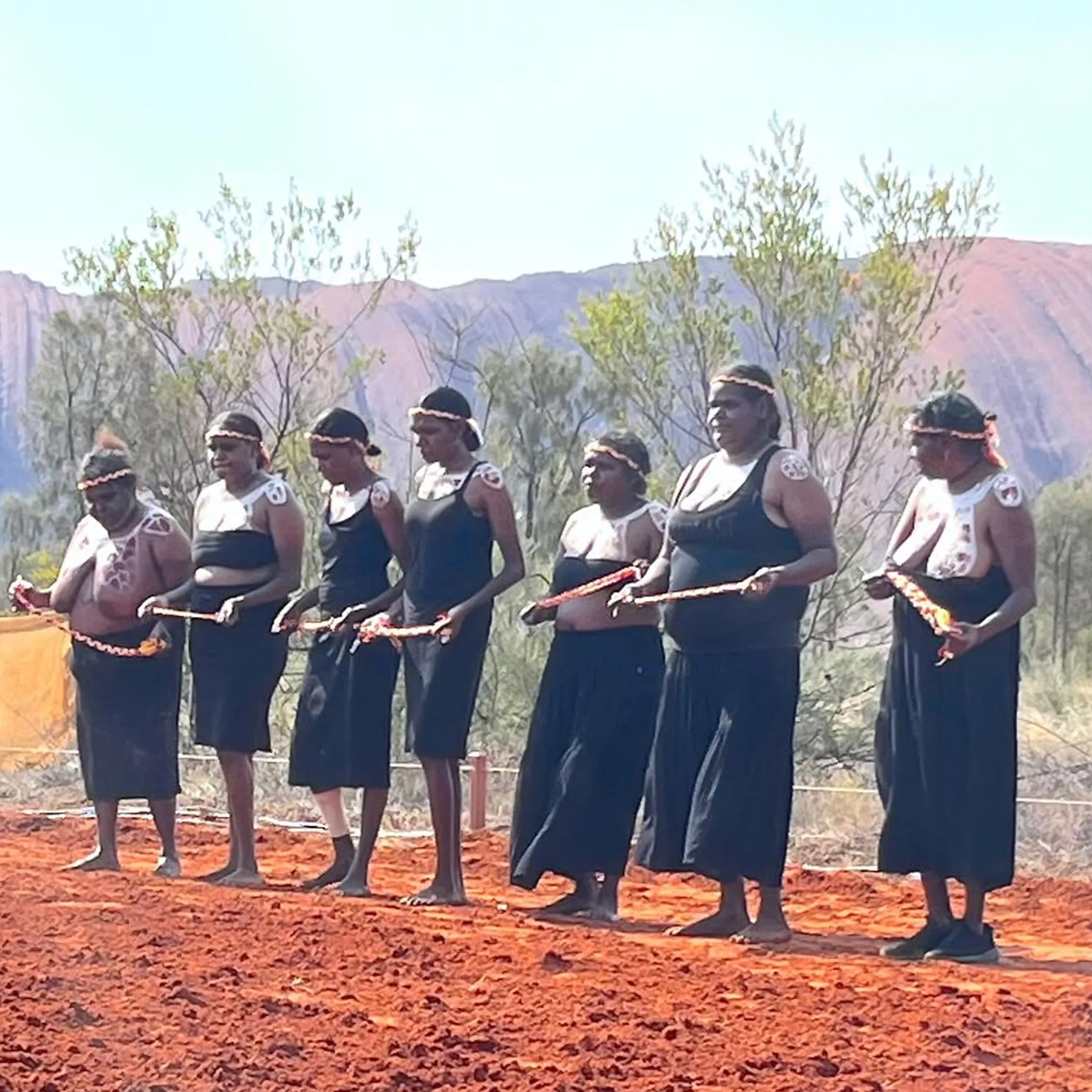
Interpretive material on the Kuniya Walk will make plain the Tjukurpa of the area, including the events surrounding Kuniya Piti and the run-in with Liru. Do not mistake them for legends put out for the edification of tourists; they are living law and identity for Anangu. You may come across mention of wanampi, the powerful ancestral beings of Central Australian Aboriginal tradition linked to water, which is why such places are accorded respect. A waterhole is never merely a puddle that has put in an appearance.
More Than A Pretty Pool
One can easily overlook the ecology of the site. Out in the harsh inland, a permanent source of water sustains life in ways not immediately apparent. Give it a look and you will see bird activity, microhabitats in the shade of the rocks and plant life suited to the conditions. That is why the rules for visitors are important: straying from the track or causing contamination does more harm than is thought.
Expectation Vs Reality
You may be expecting a dramatic swimming hole of sorts under Uluru. In reality the waterhole is culturally sensitive and better taken in with some quietude from the viewing areas, detail over drama.
Heaps of wildlife on cue? Not if you are in a hurry. Come early or late in the day when the light and temperature are more to the taste of animal and human alike and it is all more alive.
Rules You Need To Respect
We will be blunt about this. Visitors have a habit of regarding the site as some ordinary recreation ground. It is not.
- No swimming in the waterhole.
- Remain on the marked Kuniya Walk and heed the barriers.
- Put away the loud behaviour and do not go into the water.
- Bring proper shoes, sun protection and water.
- If you are with little ones, use the dunny beforehand; you will not want to be negotiating mid-walk.
- See if there are any temporary closures for whatever reason the park deems necessary.
Why Swimming Is Not Allowed
It is a question we get a lot: is it possible to swim in the Mutitjulu waterhole? No. For the sake of visitor safety and to protect a site of cultural importance, among other things. The rule of thumb at Uluru is not to make of a sacred or environmentally significant area what you would a pool in your backyard. Those looking for a swim near Uluru will be disappointed; too many travellers make the error of thinking there is natural swimming to be had right here. The Red Centre is a desert, not the tropics.
Timing, Fees And Reality
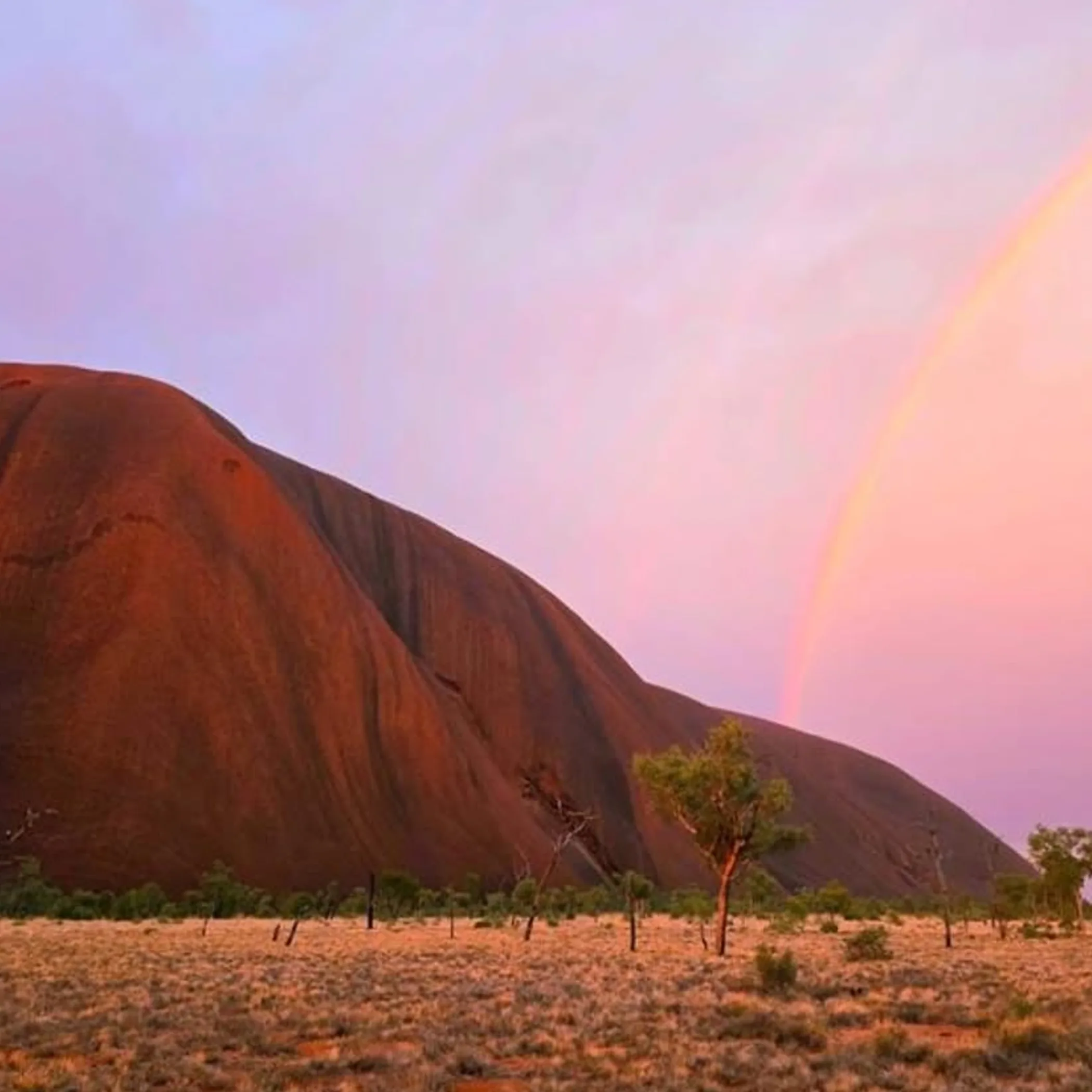
One would be surprised how much the practical side of things is of consequence in this part of the world. The track is not long, yet a miscalculation of time in Central Australia will make what should be an easy trip a sweaty affair.
Then there are the hours at Mutitjulu waterhole which are subject to park access and whatever the walk conditions are like. I would put it to you that the sensible course of action is to see what Parks Australia have to say on the day before making your way there; operational or management requirements and the heat can put a stop to access.
What To Put In Your Budget
A pass for Uluru-Kata Tjuta National Park is de rigueur unless your tour covers it. I am not going to put down a figure and have it be gospel since prices are fluid. Make allowance for entry, transport by car or tour, and provisions from Yulara. You will find that around Ayers Rock Resort meals and the like cost more than in any suburban shop, a fact that does not surprise those who have done their grocery shopping in remote places but is still a small sting.
Time it for early morning or late afternoon as a rule, midday is too much to bear in the warmer months. With one day at Uluru you might want to make the most of the light at sunrise, get in on the Kuniya Walk while it is still cool and leave the rest of the sightseeing to shorter, shadier stops.
Best Time Of Year
The cooler months present the least difficulty for walking. When it is hot a short track seems to go on for ever and older travellers or families with kids, or anyone with a low tolerance for the heat, will be aware of it in no time. “It is only a short walk” has been known to be the last thing said here.
Not Being A Drongo Over Photos
There is no stopping you from photographing the waterhole from the public areas provided you have some respect for the place. It is a matter of being patient with the light and exercising restraint, not putting yourself over a barrier for some hero shot. The sun overhead has a way of flattening everything and making you look as though you are melting, honest if unflattering. Morning light is softer on the rock and renders the water and shade better in a picture.
How To View It
Do not crop in too hard on the waterhole, a good composition will have some of Uluru’s face in it. Let the scale speak for itself. Consider this a culturally significant detour at the foot of Uluru, not a destination for a day-trip of its own.
Easy Add-Ons
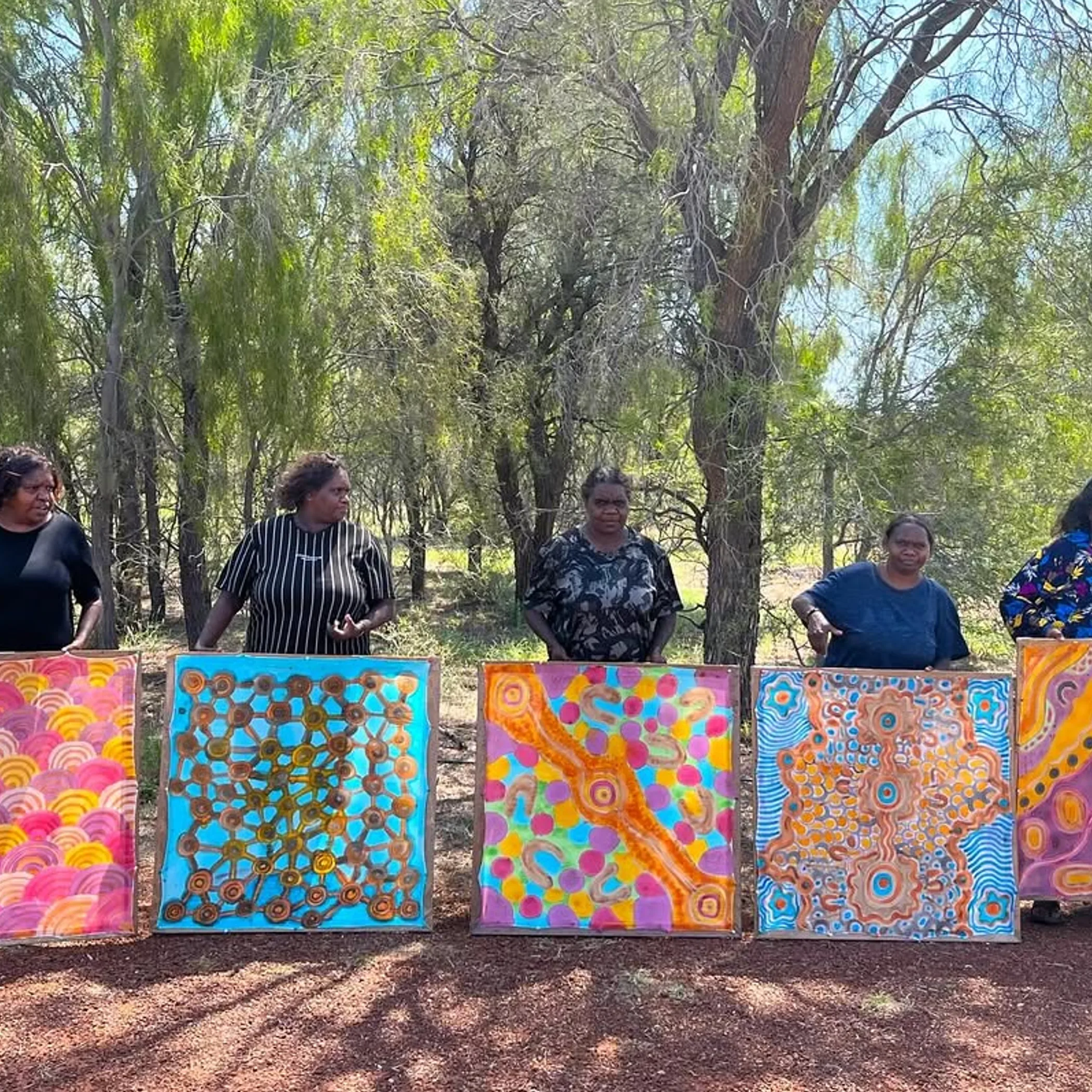
This is one of the virtues of the visit, it slots in well to a day in Uluru without having to reorganise your whole schedule. But do not make of it a five-minute roadside affair. Some of the best stops in the base area will give you a better idea of Uluru than just driving by. Arabella Kinsella has a way of putting it: less stops and more attention. You will not feel like toast after hopping in and out of a hot car all day and will have more to remember.
For A Single Day
Get an early start from Yulara with your hat and snacks in order. Do the Kuniya Walk first when the temperatures are not so unforgiving. From there you can put in a few sections of the Uluru Base Walk or other cultural spots in the national park. Have your lunch and water refills planned with an eye to the shade and the drive, not hope. One or two more Uluru stops is enough, ten in a rush is not. And be back before the occupants of the car go feral with hunger and the heat.
- Arrive early from Yulara with water, hat and snacks already sorted.
- Do the Kuniya Walk first while temperatures are kinder.
- Add one or two more Uluru stops, not ten rushed ones.
- Head back before everyone in the car turns feral from heat and hunger.
A Travel Takeaway
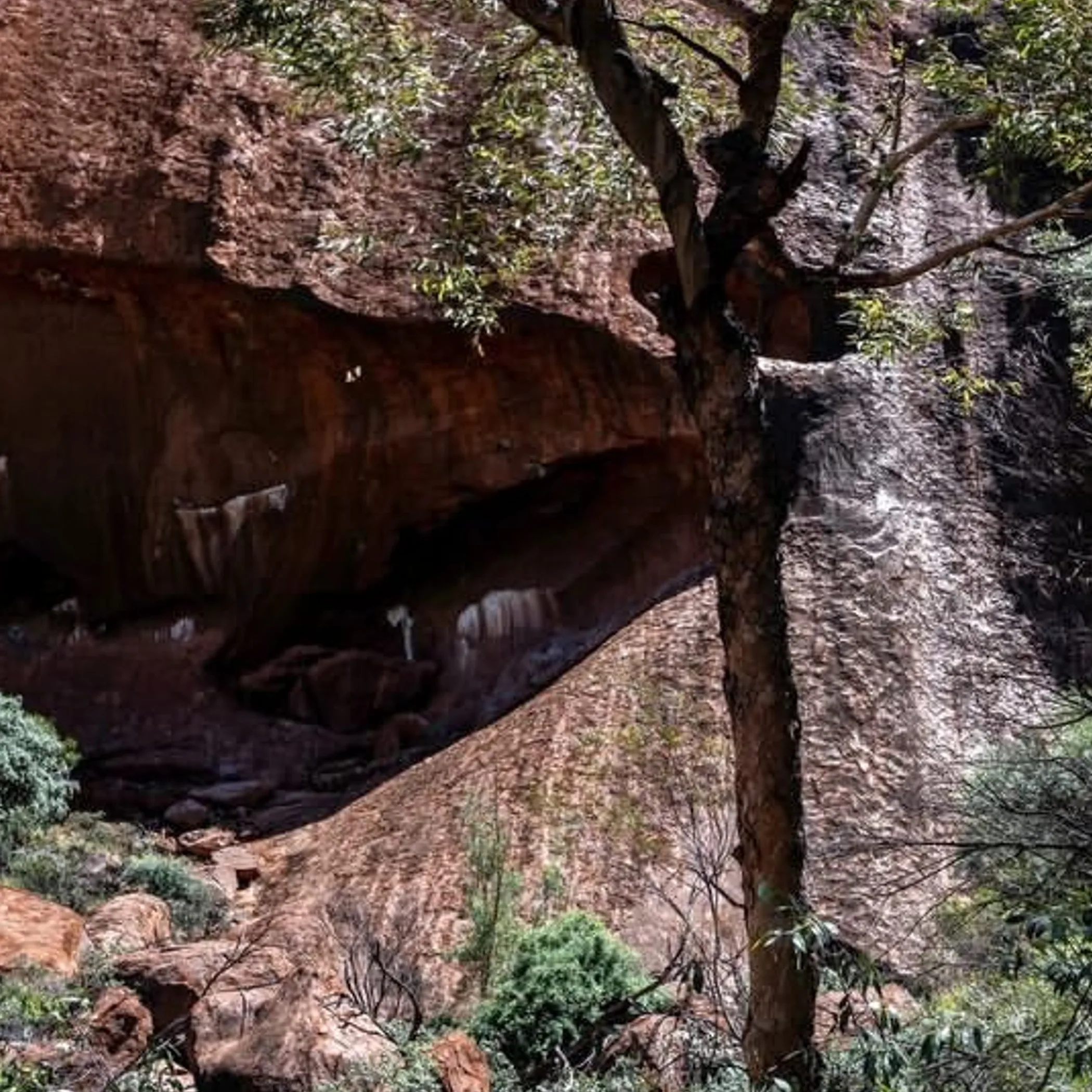
You do not come to Mutitjulu Waterhole because it is easy or makes for a pretty photo. The site puts you in touch with Uluru in a more grounded way, as something of story and law and ongoing cultural care rather than a mere landmark. A little humility and patience makes for a far better visit than a hasty tick-off. That is what separates a Red Centre experience worth thinking about on the flight home from an ordinary one.
FAQ
As a rule people ask these after they have made an assumption and the reality does not quite bear it out.
Can You Swim In Mutitjulu Waterhole?
You are not allowed to. It is a sacred and ecologically sensitive spot, viewing is restricted to the walk area.
Is A Visit To Mutitjulu Possible?
Yes, via the Kuniya Walk so long as that part of the national park is open. Check on conditions first.
Any Swimming Holes In The Vicinity Of Uluru?
Do not expect casual swimming at Uluru or at Mutitjulu. It is a desert and the water sites of cultural importance are not for recreation.
Why Are You Not Allowed To Swim At Uluru?
Safety, environmental protection and the cultural significance of a place such as Mutitjulu Waterhole are reason enough. Such restrictions are in place to preserve the ecosystem and the sanctity of the site.
Will Most Visitors Be All Right On The Kuniya Walk?
For the most part. It is a manageable distance but timing and mobility are factors. An early start is wise when it is warm.
