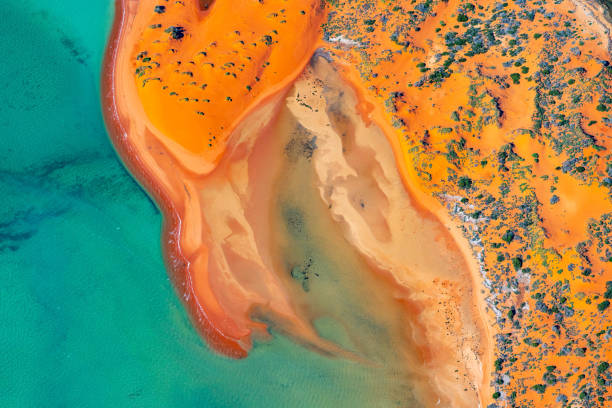
Ah, Western Australia (WA) – a land of endless horizons, sun-drenched beaches, and ancient landscapes. Whether you’re a student looking for intriguing facts for your project or just someone curious about this massive state, you’re in for a treat! This article will unveil the wonders of Western Australia and why it’s a must-learn topic.
Introduction to Western Australia
Western Australia is more than just a state; it’s a vast territory brimming with stories and experiences. Covering the entire western third of the country, WA is a place where the vibrant, modern lifestyle harmoniously mingles with ancient traditions and natural wonders.
Geography and Size
Imagine a region that’s so expansive, you could fit several countries within its borders! That’s Western Australia for you. Spanning over 2.5 million square kilometers, WA is colossal, making it the largest state in Australia. To put it in perspective:
- It’s almost ten times larger than the UK!
- It’s about the size of Western Europe!
Its sheer size means a variety of terrains, from the sun-drenched coasts to the vast deserts and the lush forests that seem to whisper the tales of time.
Climate and Weather
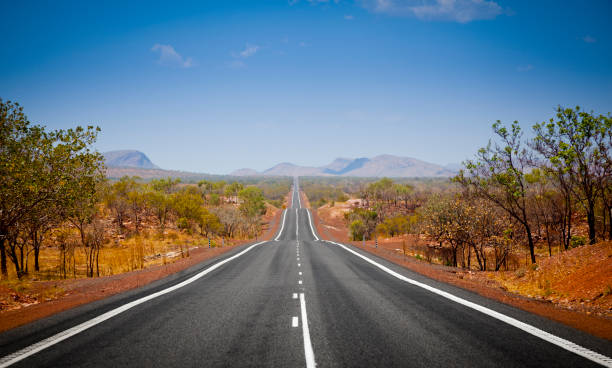
Western Australia’s vastness means it experiences various climates. The northern parts, such as the Kimberley, see tropical conditions with a wet and dry season. Here, the rain can be torrential in the wet months, creating spectacular waterfalls. On the other hand, the southern regions, including Perth, experience a Mediterranean climate. Think warm, dry summers and mild, wet winters. There’s also the Goldfields region where it can get pretty arid. So, if you’re packing for WA, what’s in your suitcase might depend on your destination!
| Location | Summer (°C) | Winter (°C) |
|---|---|---|
| Perth | 29 | 18 |
| Kimberley | 35 | 27 |
| Goldfields | 32 | 16 |
Notable Cities
Western Australia, given its vastness, is dotted with cities that each carry a unique charm and story.
Perth: The Capital City
Nestled along the banks of the Swan River, Perth is often the first stop for visitors to Western Australia. Known for its beautiful beaches like Cottesloe and Scarborough, Perth also boasts a vibrant arts scene, buzzing cafés, and serene parks. Did you know Perth is one of the most isolated major cities in the world? Yet, its blend of urban life with natural beauty makes it a city like no other.
Other Major Cities
Beyond Perth, there are other cities that hold the essence of WA. There’s Fremantle with its historic harbor, bustling markets, and the infamous Fremantle Prison. Meanwhile, Broome, often dubbed the ‘Pearl of the North’, offers a gateway to the Kimberley region and boasts the mesmerizing Cable Beach. And don’t forget about Kalgoorlie, the heart of the Goldfields, which tells tales of the gold rush era.
Unique Flora and Fauna
What’s a land without its inhabitants? Western Australia’s vast landscapes are home to an array of unique flora and fauna.
The Quokka: Rottnest Island’s Smiley Mascot
Ever heard of the world’s happiest animal? Meet the Quokka, a marsupial native to Rottnest Island near Perth. This adorable creature, with its perpetual smile, has become a global sensation, often being the star of many tourists’ selfies. Fun fact: Despite their friendly demeanor, Quokkas are quite the nocturnal beings, preferring the cool nights over the hot days.
Western Australia’s Marine Life
The waters surrounding Western Australia are a marine enthusiast’s dream. From the whale sharks of Ningaloo Reef to the colorful corals of Rowley Shoals, there’s a world underwater waiting to be explored. Divers and snorkelers are often treated to a symphony of marine life. Dolphins, manta rays, and the occasional turtle can be spotted, making any dive an unforgettable experience.
Historical Facts
Delving into the history of Western Australia is like opening a book filled with tales of adventure, conflict, and resilience.
Indigenous Cultures
The Indigenous peoples of Western Australia have lived and cared for these lands for tens of thousands of years. Their deep connection to the land is evident in their Dreamtime stories, art, and dances. Various Indigenous groups, like the Noongar in the south and the Yawuru in the north, have their unique traditions and languages. A visit to places like the Murujuga National Park reveals ancient rock art, offering a glimpse into their rich cultural tapestry.
European Exploration and Settlement
While Indigenous Australians have been the custodians of these lands for millennia, European exploration began in the 1600s. Dutch explorers first mapped parts of the WA coast. However, it was Captain James Stirling who, in the 1820s, saw potential in the Swan River area, leading to the establishment of the Swan River Colony in 1829. This settlement would later become Perth. The following decades saw:
- The gold rush of the late 1800s, which brought prosperity and migrants.
- The establishment of the Trans-Australian Railway, connecting Perth to the eastern states.
Cultural and Recreational Activities
The vibrant pulse of Western Australia isn’t just in its landscapes but also in its people and their cultural expressions.
Arts and Festivals
Western Australia boasts a thriving arts scene. The Perth International Arts Festival, an annual event, attracts artists and enthusiasts from around the globe. From theater to dance to visual arts, there’s something for everyone. Indigenous art, too, holds a special place, with galleries showcasing stunning Aboriginal art pieces, each telling a story of its own.
Outdoor Adventures
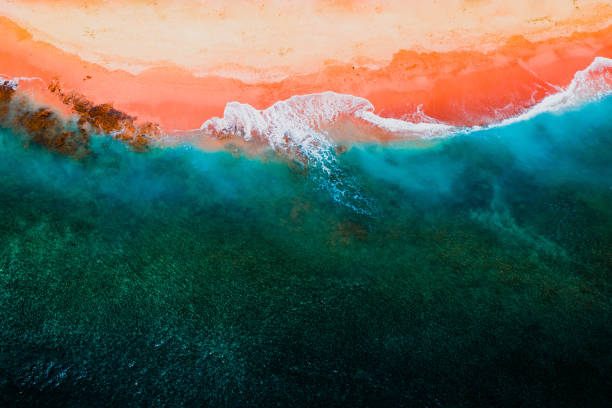
The varied landscapes of WA provide a playground for outdoor enthusiasts. From surfing in Margaret River to hiking in the Bungle Bungles, adventures await at every corner. Among the must-try activities are:
- Sandboarding in the Lancelin dunes.
- Swimming with the whale sharks in Ningaloo Reef.
Conclusion and FAQs
Western Australia, with its expansive landscapes, rich history, and vibrant culture, is undoubtedly a treasure trove of experiences. For students and travelers alike, it’s a destination that promises lifelong memories and learning.
FAQs:
1. Why is Western Australia significant for Australia?
Western Australia plays a crucial role in Australia’s economy, particularly through its vast mineral resources. Its cultural significance, both Indigenous and contemporary, adds to the rich tapestry of the Australian narrative.
2. Is Perth the only major city in Western Australia?
No, while Perth is the capital and the most populous city, Western Australia has other significant cities like Fremantle, Broome, and Kalgoorlie, each with its unique charm and history.
3. What makes the flora and fauna of WA unique?
Western Australia’s isolation and varied landscapes mean it has a biodiversity unlike any other. From kangaroos to unique wildflowers, WA offers a glimpse of nature’s wonders.
4. How has history shaped Western Australia?
WA’s history, from its Indigenous cultures to European settlements and the gold rush, has shaped its socio-economic and cultural fabric, making it an intriguing blend of old and new.
5. What cultural activities can students engage in WA?
Students can immerse themselves in various activities, from attending arts festivals, exploring Indigenous art galleries, joining historical tours, to engaging in community events that celebrate WA’s diverse heritage.