If you live in a snowy part of Australia — or own a property in the alpine regions of VIC, NSW or TAS — you’ll know it’s not all powder and postcards. Snow on your roof can mean stress loads, leaks, ice dams, roof snow damage, and a whole lot of costly repairs if you’re not paying attention. From slippery conditions to the risk of ice dams or even roof collapse, snow brings some of winter’s biggest risks straight to your eaves.
So, when should you remove snow from the roof?
Let’s break down the dos and don’ts of roof snow removal — from inches of snow to cubic foot weight, we’ll talk safe distances, roof types, and cold weather prep like the pros.

Before we wrap it up, remember — a proper roof cleaning service can be a game-changer when snow piles up and you’re not sure where to start.
When Is It Time to Clear Snow Off the Roof?
Here’s the short version: if snow is more than 30cm (that’s roughly a foot), wet and heavy, or forming ice dams, it’s time to get moving.
But let’s unpack that with a bit more local grit:
- Depth matters: Anything over 20–30cm (or 1–1.5 feet) can start causing Structural Damage, especially on older homes, dead valley roofs, or lightweight truss systems. Flat or low-slope roofs, particularly commercial-grade flat roofs, cop it worst.
- Weight’s the real issue: Wet snow is a different beast from dry powder. A cubic foot of light snow might weigh 100kg, but slushy, soggy snow can clock in at 300kg or more. If you’re seeing 1–2 feet of snow on a flat or typical roof, you’re well into roof damage territory.
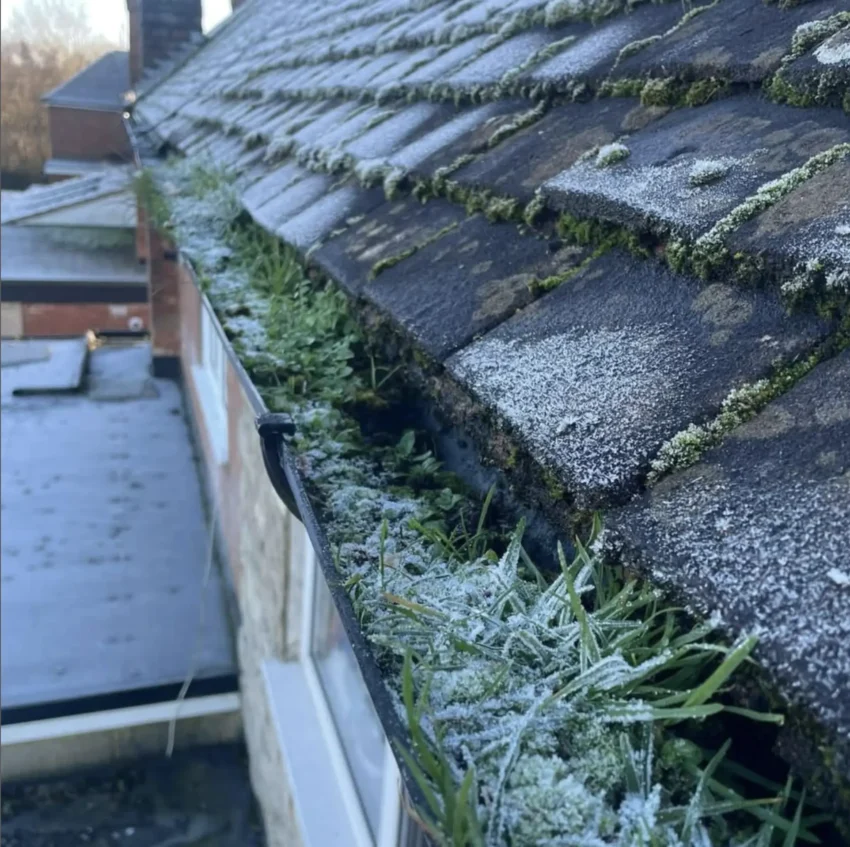
- Ice dams: These cheeky buggers form when snow melts from underneath, runs down the roof surface, then refreezes at the edge. The result? Clogged gutters, blocked drainage systems, roof leaks, and water backing up under your roof tiles.
- Creaks and sags: If your roof structure is groaning, cracking, or showing visible droops, don’t wait. That’s an early sign of structural issues or roof collapse in the making.
If you’re seeing any combo of the above, especially after heavy snowfall or a sudden warm spell followed by a freeze, it’s time for roof snow removal. Get your snow rake or roof rake ready and work from ground level. Safety risks go way up the moment you step on icy roofs.
When You Can Leave Snow Alone
Not every flurry calls for winter cleaning heroics. Here’s when it’s probably safe to leave the shovel in the shed:
- Light dustings or fresh powder: A few centimetres of dry snow won’t hurt a properly built roof or energy-efficient roofing materials.
- Steeper roofs, especially Metal roofs: These naturally shed snow unless something’s trapping it (like solar panels, chimneys, or built-up debris). Asphalt-shingled roofs and efficient roofing materials also cope better.
- Well-insulated attic spaces: Good insulation and air sealing stop warm air from escaping through the roof covering, reducing the chance of ice dams and expensive repairs.
If you’ve got modern roofing materials, sound design, and proper drainage systems, your roof might be handling winter weather better than you think. Still, do a visual check after every snowfall of 10cm or more.
Snow Loads by Region
We’ve cleared roofs in everything from freezing fog to the dead of winter, and here’s how the local conditions play out:
- Victoria’s Alpine Region (e.g., Mt Hotham, Falls Creek): Heavy snowfalls are common. The average snowfall can test even a clean, well-kept roof. Built-up snow + Cold temperatures = trouble.
- Snowy Mountains, NSW (e.g., Jindabyne, Thredbo): Buildup of ice is a winter classic. Slushy snow means extra weight per square foot.
- Tasmania (e.g., Cradle Mountain, Mount Wellington): Snow isn’t as deep, but cold air and windy conditions cause drifting that creates debris accumulation and feet of snow in pockets.
If you own a rental, commercial building or Airbnb up in these regions, winter maintenance and annual roof maintenance aren’t optional. Winter approaches — get ahead of it.
How to Remove Snow from a Roof
You’ve decided it’s time for winter cleaning — here’s how to avoid damaging roof shingles, water damage, or a bruised backside:
DO:
- Use a roof rake or snow rake with a telescopic handle from ground level — a safe distance always.
- Clear the lower metre or two to reduce the buildup of ice and prevent ice dams.
- Work in small sections — aggressive methods do more harm than good.
- Rake downward, not upward — pushing snow up can lift or crack tiles and asphalt shingles.
- Use plastic tools, not metal — metal scrapers can gouge or damage the roof covering.
DON’T:
- Walk on a snow-covered sloped roof. Slippery conditions and icy surfaces make it dangerous.
- Use salt, harsh chemicals, or heating tools like a hair dryer or heat gun — they can damage roofing materials, runoff systems, and cause drainage issues.
- Ignore pooling water, cracked tiles, or signs of potential leaks. Those need immediate attention.
And if your windows are looking just as grimy, the Window Cleaning Melbourne Crew can help get the whole exterior back in shape.
Roof Type Tips: Metal, Tile, and Flat Roofs
We’ve cleaned every kind of Aussie rooftop, from asphalt roof setups to commercial roofing, and here’s the short version:
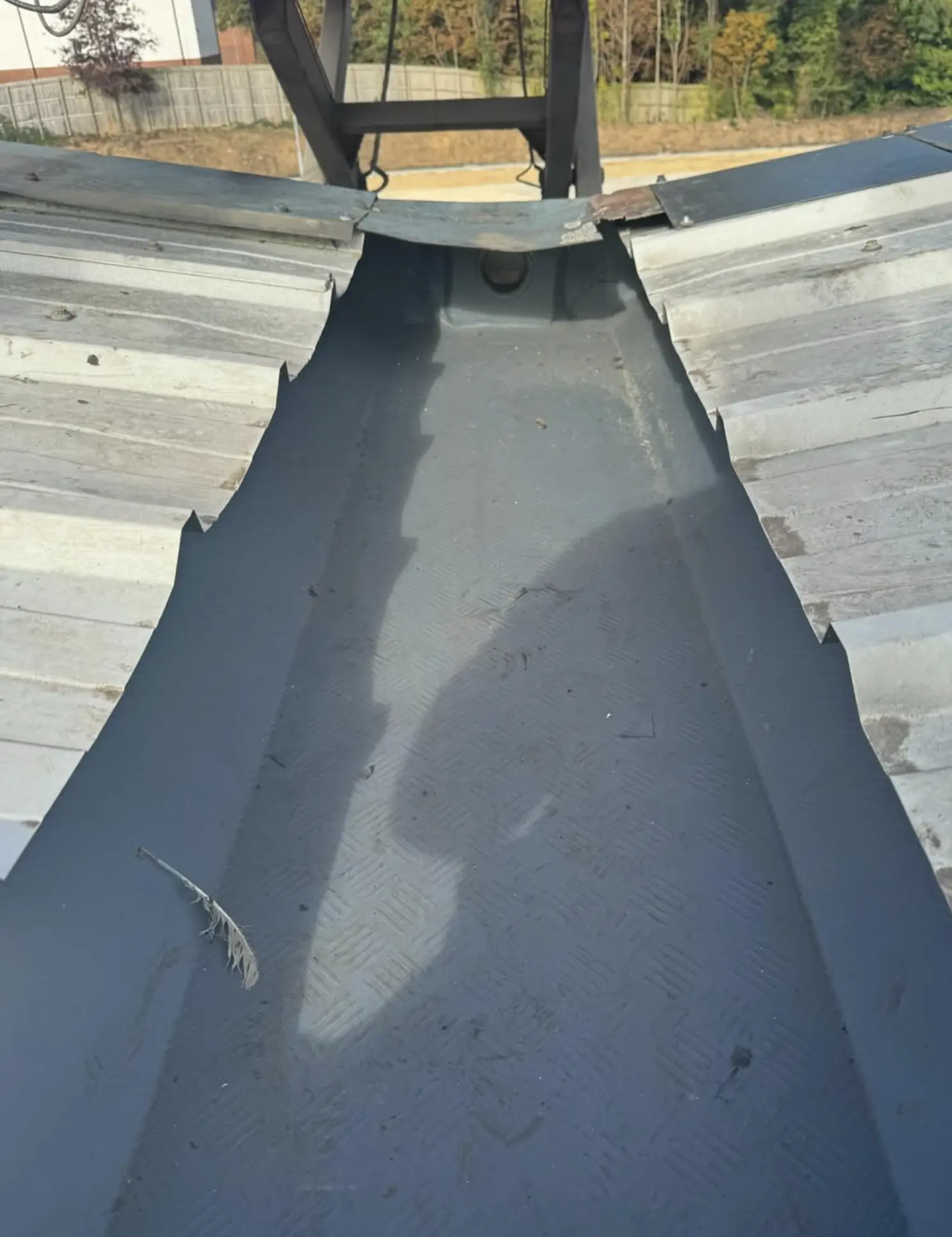
- Metal Roofs: Slippery in cold weather and prone to snow slide-offs. Be cautious of debris buildup in valleys and snow freezing around eaves.
- Tiled Roofs: Tile roofs look solid but are fragile in the colder months. Avoid walking on them — use rakes to clean from a safe distance.
- Flat Roofs: The harsh winter hits these the hardest. Check for pooling water, drainage issues, or cracks in walls caused by snow weight. Clean gutters regularly to avoid mildew or moss growth around the eaves.
The Hidden Danger: Ice Dams
Let’s give ice dams their own spotlight. They’re one of the most common roof snow hazards and a breeding ground for algae and mildew growth.
How they form:
- Heat escapes into attic spaces.
- Melts snow above.
- Meltwater refreezes at the edge.
- Forms a dam and traps water.
What to do:
- Use heating cables along eaves and gutters if needed.
- Improve insulation and ventilation to cut down on energy bills and energy costs.
- Avoid DIY methods like ice choppers or electric heating devices unless you’re a professional roof cleaner.
Roof Snow Maintenance Checklist
Here’s our winter maintenance guide to avoid complete roof collapse or unnecessary building repairs:
After Each Snowfall (10 cm+):
- Check depth — 1 foot of snow or more? Time for roof cleaning.
- Inspect the attic for moisture, leaks, or cracks in the walls
- Rake roof edge clean (1–2 metres)
- Check for gutter overflows, ice dams, or built-up debris
Monthly (or after storms):
- Look for water damage signs on ceilings and walls
- Monitor sagging or structural changes in the roof structure
- Walk around the home for signs of drainage system issues
- Call roofing professionals or a qualified roofing contractor if needed
FAQ
Can snow really collapse a roof in Australia?
Yes, especially with Heavy snow on commercial buildings, older roofs, or those with drainage issues. Even a couple of feet of snow can lead to damage from snowfall or a complete roof collapse.
Should I remove all the snow or just some?
Focus on the lower metre or two above the gutters. Full removal can be risky — leave deeper areas for professional roof cleaning services.
What if my roof is already leaking from snow?
Water shield or not — time to call in a professional roof cleaners or roofing contractor. Quick action saves you from drywall repairs and costlier structural damage.
Do solar panels make snow worse?
On steeper roofs, they trap snow and debris in overlaps. But they also speed up the melting during sunnier, drier conditions.
When in doubt, should I call someone?
Always. The safety at risk isn’t just your roof — it’s your wellbeing. Cold temperatures and dangerous nighttime conditions are not worth testing your luck.