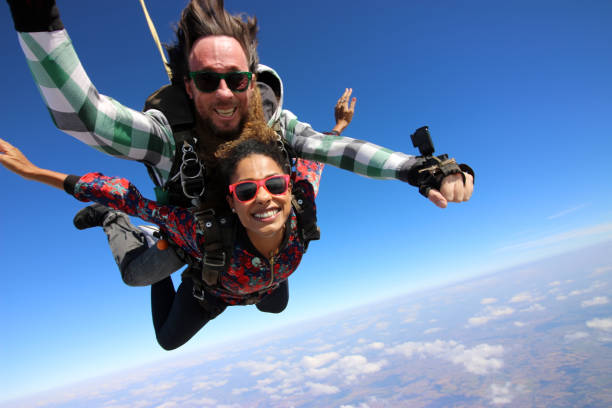
New Zealand is well-known for its exhilarating adventure sports, among which skydiving holds a prominent position. But a question that often pops up in the minds of adventure enthusiasts is, how old do you have to be to skydive in New Zealand? An individual must be 16 years old for solo skydiving and 6 years for tandem skydiving. However, the question “”is there an age limit for skydiving?”” does not yield a simple answer. The context and specifics surrounding this age restriction are worthy of a closer look. This article will delve into the depths of this subject, including why age limits are imposed, other factors to consider, and alternatives available for the underage.
Brief Overview of Skydiving
Skydiving, also known as parachuting, is an adventure sport that entails jumping from an aircraft and free-falling before deploying a parachute. For thrill-seekers, the experience of watching the sky rush past and the ground come into view is incomparably captivating. However, questions like “”what age can you go skydiving?”” spring up because despite the thrill, skydiving is a very regulated sport due to its inherently risky nature.

The Legal Age for Skydiving in New Zealand
What the Law Says
The term “”minimum age for skydiving”” is defined by the Parachute Industry Association of New Zealand (PIANZ). According to them, the minimum age for solo skydiving is 16 years, with the signed consent of a parent or guardian. For tandem skydiving, the minimum age is remarkably lower – 6 years old.
- Age 16 to 18 (solo skydiving agreement)
- Age 6 to 18 (tandem skydiving requirement)
Again, consent from a legal guardian is essential in this case for those aged between 6 and 16.
Exceptions to the Rule
These age requirements, or skydiving age limits as they are often called, can vary depending on the skydiving company and their insurance policies. Some companies may have their own internal policies that raise the age limit or require additional waivers or documents for minors. Interestingly, the age for indoor skydiving is typically lower, allowing younger thrill-seekers to still experience the sensation of flight in a more controlled, safe environment.
Why is there an Age Limit for Skydiving?
Safety First
Safety is the primary reason for setting the skydiving age limit. Despite being a wonderful sport, skydiving involves certain risks that require understanding and responsibility. Participants need to be mature enough to comprehend the possible dangers and how to handle them.
Mental Readiness
The minimum age for skydiving was set considering another key aspect – the person’s mental readiness for the jump. Adolescents aged 16 and above are believed to be better equipped to handle the psychological aspects of skydiving, such as fear and stress. By this age, they are usually able to make informed decisions about whether they’re ready for the plunge.
This requirement also ensures that they can listen to and follow instructions accurately, which is crucial for safety during a dive. Lack of attention and understanding could lead to dire consequences during a dive.
| Activity | Minimum Age | Conditions |
|---|---|---|
| Solo Skydiving | 16 | With parental consent |
| Tandem Skydiving | 6 | With parental consent |
| Indoor Skydiving | Typically lower | With parental consent or supervision |
The Emotional Aspect of Skydiving
Confronting Fears
One of the striking aspects of skydiving is the emotional journey that accompanies it. Many people use skydiving as a means of overcoming their fears – the fear of heights, fear of the unknown, or even the fear of living extraordinarily. Skydiving offers an avenue to face these fears head-on, thereby instilling a deep sense of self-confidence and accomplishment.
Adrenaline Rush
A considerable part of the skydiving allure comes from the adrenaline rush it provides. The thrill of free falling through the sky and watching the world from a bird’s eye view can offer unparalleled exhilaration. It embodies pure freedom and allows participants a brief escape from their everyday realities.
Necessary Training and Instructions for First-Time Skydivers
Skydiving Courses
Skydiving may seem intimidating, but several skydiving courses and training are available. While tandem skydiving enables first-timers to experience the thrill assisted by a seasoned instructor, solo skydiving requires more extensive training. Courses such as the Accelerated Free Fall (AFF) ensure that beginners are equipped with the necessary knowledge and techniques to handle a solo jump successfully.
- Introductory courses (tandem skydiving)
- Extensive courses (solo skydiving, like AFF)
Skydiving Equipment
Understanding the essential skydiving gear is another significant part of the training. The parachuting equipment, including the main and reserve parachutes, automatic activation device, altimeter, and jumpsuit, all play a vital role in a successful skydive. Participants are taught how the equipment functions, how to handle various situations, and safety checks before the jump.
The Skydiving Experience in New Zealand
Best Places for Skydiving
New Zealand boasts breathtaking landscapes and diverse climates, making it a perfect skydiving destination. From the stunning Lake Taupo, picturesque Queenstown, beautiful Bay of Islands, to the awe-inspiring Aoraki/Mount Cook National Park, each location offers a unique and unforgettable skydiving experience.
The weather plays a crucial role in any skydiving adventure. Bright, mildly windy days are ideal for skydiving. It’s important to always check the local weather forecast before skydiving to ensure optimal conditions for a safe and enjoyable dive.
In a nutshell
Skydiving is indeed one of the most thrilling activities one can experience. It offers a blend of thrill, excitement, fear, joy and a huge sense of achievement once completed successfully. However, it’s essential to adhere to the regulations, including the age restrictions for skydiving, to ensure everyone’s safety. New Zealand, with its brilliant landscapes and clear skies, welcomes adventure seekers from all around the globe, offering them a skydiving experience they will cherish forever.
FAQs
1. What is the legal age for skydiving in New Zealand?
The legal age for solo skydiving in New Zealand is 16 years, and for tandem skydiving it is 6 years, both with parental consent.
2. Why is there an age limit for skydiving?
The age limit is primarily for safety reasons. Individuals need to be mature enough to understand and handle the risks involved with skydiving.
3. Can I go skydiving if I’m under the age limit?
If you’re under the age limit for solo skydiving, you may still be eligible for tandem skydiving where an instructor accompanies you. Also, indoor skydiving is another option that usually has a lower age limit.
4. What training is required to go skydiving?
For solo skydiving, comprehensive courses like the Accelerated Free Fall (AFF) are recommended. For tandem skydiving, a brief introductory course is usually provided.
5. Are there other alternatives for underage individuals who want the skydiving experience?
Yes, there are! Indoor skydiving facilities allow people to experience the sensation of flight in a controlled environment. They usually have lower age restrictions.