Indigenous Art Guide
SEO Title
You could say Indigenous Art And Culture is the very core of the oldest cultures still with us in Australia. The short of it is that to collect or copy or make light of Indigenous Australian art without due respect is to miss the mark; it is not some passing style or mere ornamentation but an expression of law, identity, kinship, place, memory and spirituality.
I am Arabella Kinsella and one sees where people are prone to be taken in. They will put in a dot painting, know what the Dreaming is or have come across a colourful canvas in a waiting room and think they have it sussed. Yet they may be unaware of the cultural protocols and community authority that underpin a work and dictate who has the right to tell certain stories. This guide is for those who want to get to grips with the history, symbols and regional nuances, and to purchase in a responsible manner, all without the varnish of a brochure.
What It Is All About

One should put aside any notions of shopping or style for a moment. You will not find aboriginal art and culture fitting into a single definition like sardines in a tin. There are as many visual traditions, languages, materials and responsibilities as there are Nations in Aboriginal and Torres Strait Islander communities.
To suppose that every piece of Indigenous Australian art is cut from the same cloth is a common error. Some is meant for the public, some is for ceremony, some is of a personal nature and some has knowledge that is restricted. The idea is not to put you off looking but to be mindful of context.
A Matter Of More Than Style
The term aboriginal art conjures up images of earthy tones, dots and symbols for most. But that is only part of the story. Rock art, bark painting, printmaking, weaving, sculpture, fibre and body design, ceremonial pieces and multimedia are all part of Indigenous visual culture. Then there is the song, dance, language and oral histories that go with it. In a lot of communities the visual element is simply one strand in a system of law and storytelling; to dismiss it as something to brighten the lounge room is to be out by a fair kilometre.
A Long History
Put the history of Aboriginal art on a timeline and most other art would seem rather insubstantial. First Nations peoples in Australia have been putting down rock art for tens of thousands of years, some of the most enduring artistic output on the planet.
It is a history of continuity, not something in aspic. When the galleries came calling it did not start and stop. Through mission life, displacement and the harm of policy as well as colonisation, it has adapted and carried on, and now is seeing a resurgence.
Rock Art
In the Kimberley, Arnhem Land and the Red Centre you will find rock art. Hand stencils, figures and animals, signs of ceremony and place. Traditionally made with ochre, pipeclay, charcoal and the like. Ochre is not just a paint, it can be of significance in trade and ceremony. Stand before an old rock face in the bush and you will see this is not something to be absorbed in a five second scroll.
National Recognition
Art centres and exhibitions in the 20th century put different forms of Indigenous art in front of more eyes. Desert communities put acrylics on the map but with the visibility came the odd sort of dealing and exploitation. The public eye does not ensure an artist is treated fairly.
Now you will find the National Gallery of Australia and its ilk making Indigenous works a centrepiece of Australian art rather than an afterthought. A welcome change, but the ethics of how it is represented and collected are still to be watched.
Country And Ceremony
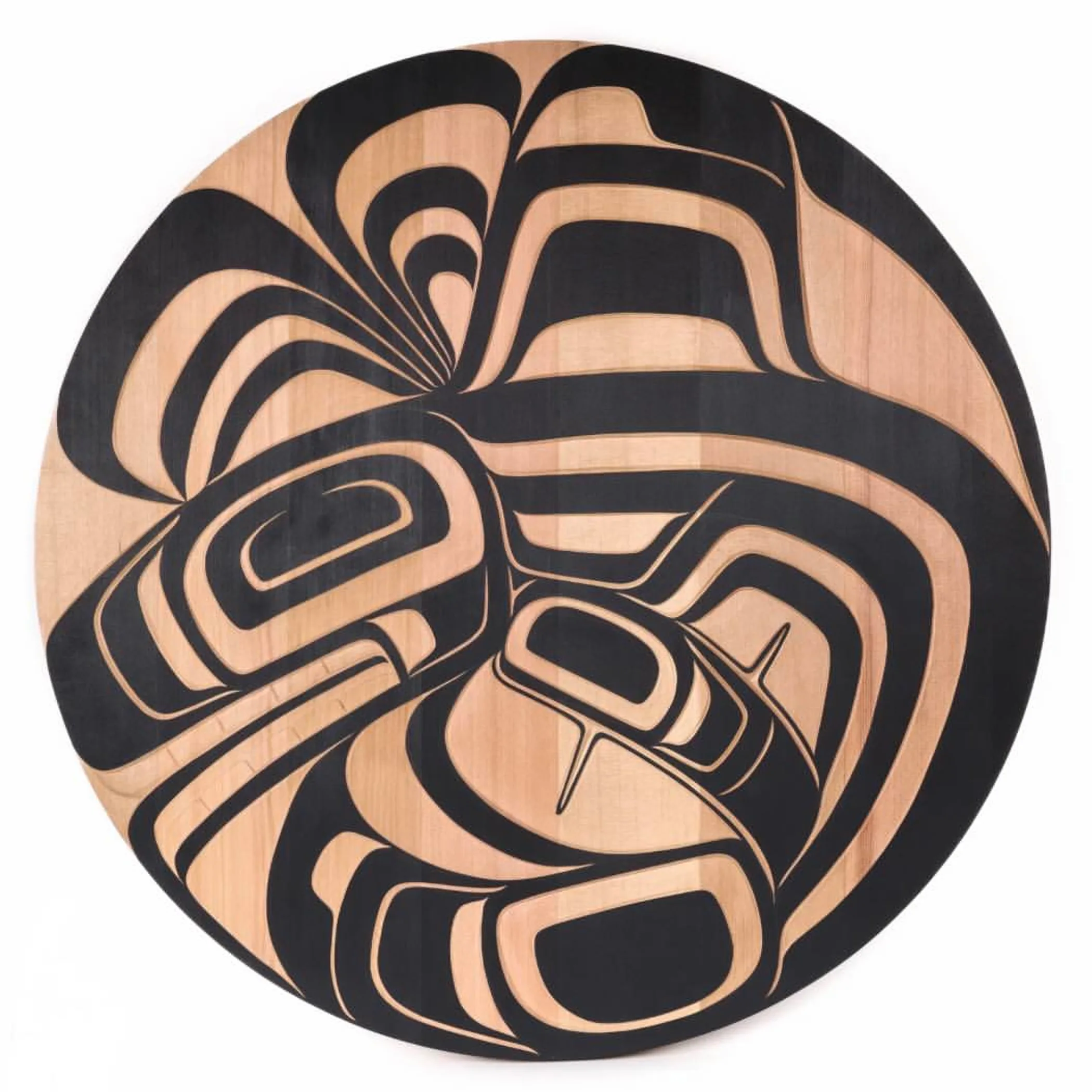
Take time over the notion of Country. Not in the sense of a pleasant bit of land or a region, but as a living thing: belonging, responsibility, language, ancestors and law. I would put it to you that is where the subject makes sense to the reader. When one comes to see Country, Dreaming and ceremony as an entity and not distinct museum labels, the works put themselves in better perspective.
Country Is Relationship
There is a connection to land that is Country; it will inform the materials, subject matter, story rights and the iconography of a piece. One can find waterholes, tracks, the marks of a season or an ancestral journey rendered in the work if one looks for them, though an outsider may not be in a position to read them all.
A request for a definitive list of Aboriginal art symbols is something best left alone. It is risky business given how they differ from one community or painting tradition to the next. Put in context a circle could be a camp or a meeting place, or it could mean something altogether more particular.
Dreaming Is Not A Fairytale
To reduce the Dreaming is to do everyone a disservice. In a broad sense it encompasses law, the relations between people and Country and the beings that inhabit it, and the ancestral narratives on which they are based. It is no “mythology” of the sort some would have it.
In the visual arts these stories might be put forward in full or in part, or in an abstract way, or via elements for which there is authorisation. Some are meant to be shared with the public, others are not. Cultural protocols are not an option in this regard.
Ceremony Holds Knowledge
Be it body painting, song, movement or making of objects, ceremony is where knowledge is held. Art of a ceremonial nature can be an honouring or teaching of that knowledge, yet not every bit of it is intended for the public.
It is what trips up gallery visitors, the notion that a label will tell the whole story. The respectful thing is to accept you are not privy to every layer. There is no harm in that.
Learn Materials And Motifs
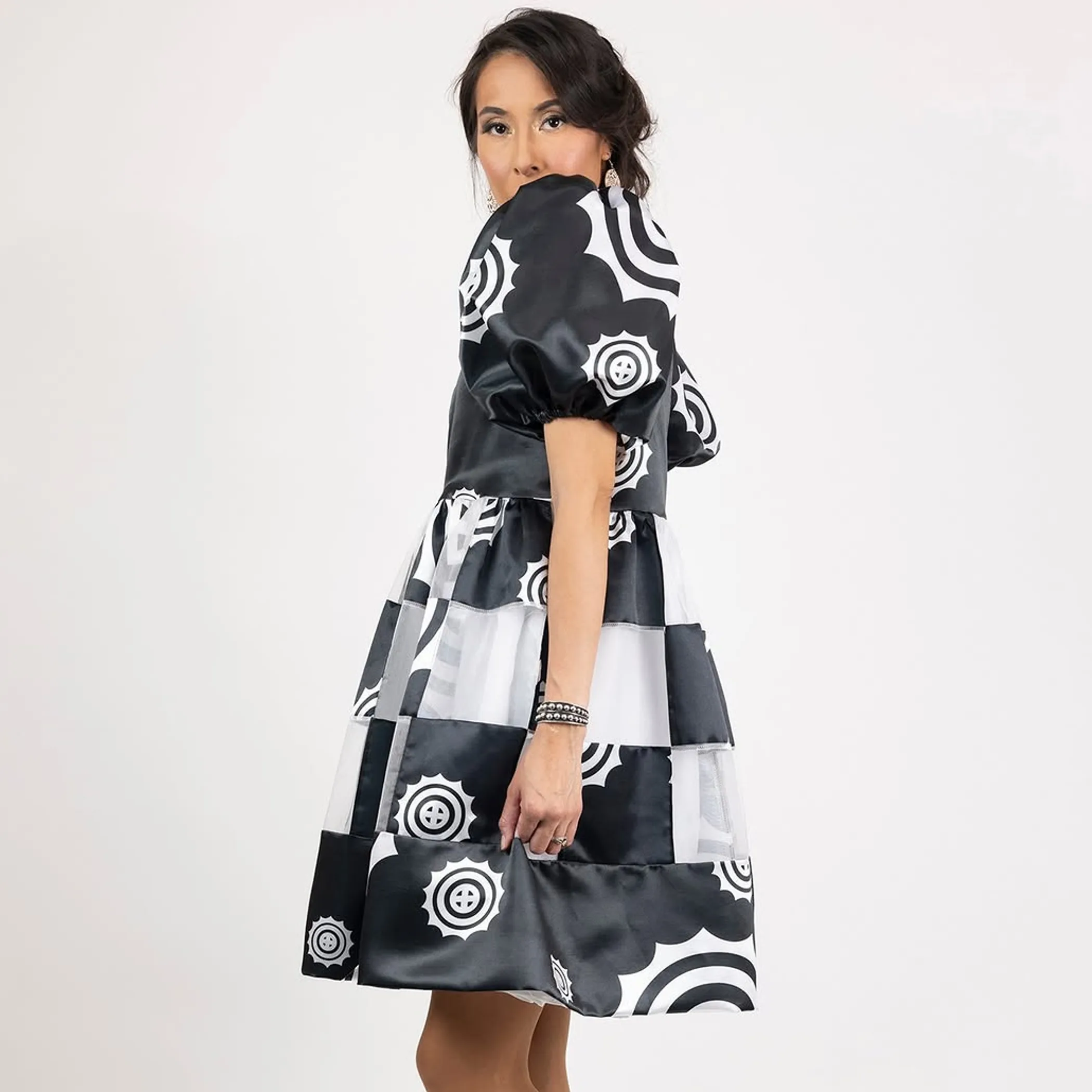
An understanding of the cultural frame renders traditional techniques less of a mystery. The choice of material is never arbitrary; it is drawn from inherited knowledge and the local environment. This section will serve those who wish to put meaning to Aboriginal art, distinguish one style from another or ensure they do not say anything outlandish at an opening.
Common Traditional Techniques
One finds rock and bark painting, carving, engraving, weaving and the like. Eucalyptus bark treated with natural pigments is employed by artists in some regions, while in others a carved object or fibre work has a strong local provenance.
Then there is dot painting, much the most familiar form in the central and western desert. Yet it is not the default tongue of Indigenous Australian art and should not be regarded as such. People have a habit of making of it a generic national style when it has come from very particular circumstances.
Symbols, Colour And Surface
As for iconography, one will come across U-shapes, animal and travel marks, concentric circles and so on. But what they signify is a function of the artist and his Country, the purpose of the work and what is being publicly disclosed.
Ochre palettes are still of import in many places, but contemporary practitioners make use of acrylics, digital media and installation without any qualms. They are not at odds with the traditional; many an artist will go back and forth between the two.
| Form | Common Materials | Associated Regions | What People Often Get Wrong |
|---|---|---|---|
| Rock Art | Ochre, charcoal, natural binders | Kimberley, Arnhem Land, Central Australia | The assumption it is all of a piece with antiquity and has no cultural life today |
| Bark Painting | Prepared bark and natural pigments | Arnhem Land | To see it as decorative rather than what it is, culturally coded |
| Dot Painting | Acrylic on canvas or board | Central and Western Desert communities | Mistaking it for a universal style |
| Torres Strait Islander Art | Printmaking, masks, mixed media, fibre | Torres Strait Islands | And putting it in with Aboriginal traditions as though they were the same |
Notice Regional Differences
Australia is vast, flat as a pancake in parts and rough as guts in others; the culture and its expression will vary with the language groups and ecologies. To get past the clichés one needs to look at regional style.
For all practical purposes there is no such thing as an Indigenous style. Make of that what you will, but you will be better off with regional context than a symbol guide that purports to fit all.
Desert Painting Traditions
The city buyer is likely to be most at home with the output of the Central and Western Deserts, with their aerial views and intricate patterning and the encoded references to site and story.
But a gallery in Alice Springs will show you how much variation there is even in desert works. Do not be content with a cursory look. Read the wall text and enquire as to the art centre and language group.
Arnhem Land And The North
There are those who know Arnhem Land for its bark painting and the rarrk cross-hatching of certain traditions, not to mention the sculpture and ceremonial work. But if your plans involve more than a brief stop at some metro gallery and you intend to put in an appearance at a remote community or art event, then timing is of the essence; the wet season in the Top End can put a damper on travel.
One does not want to be left with a half tank and misplaced optimism after the road to a northern community has been made difficult or shut down by the wet. Make sure you have looked into local conditions and any necessary permits for community access before you set out for an art centre.
Torres Strait Islander Art
A token nod will not do for Torres Strait Islander art, it warrants proper consideration. One finds in it an expression of sea Country, island life, navigation, family and spirituality, as well as such cultural forms as lino prints, masks, weaving and sculpture. Some have the habit of conflating it with Aboriginal art as if they were one and the same. They are not, even if both fall under the First Nations banner. The histories, geographies and art languages are distinct.
The Contemporary Picture
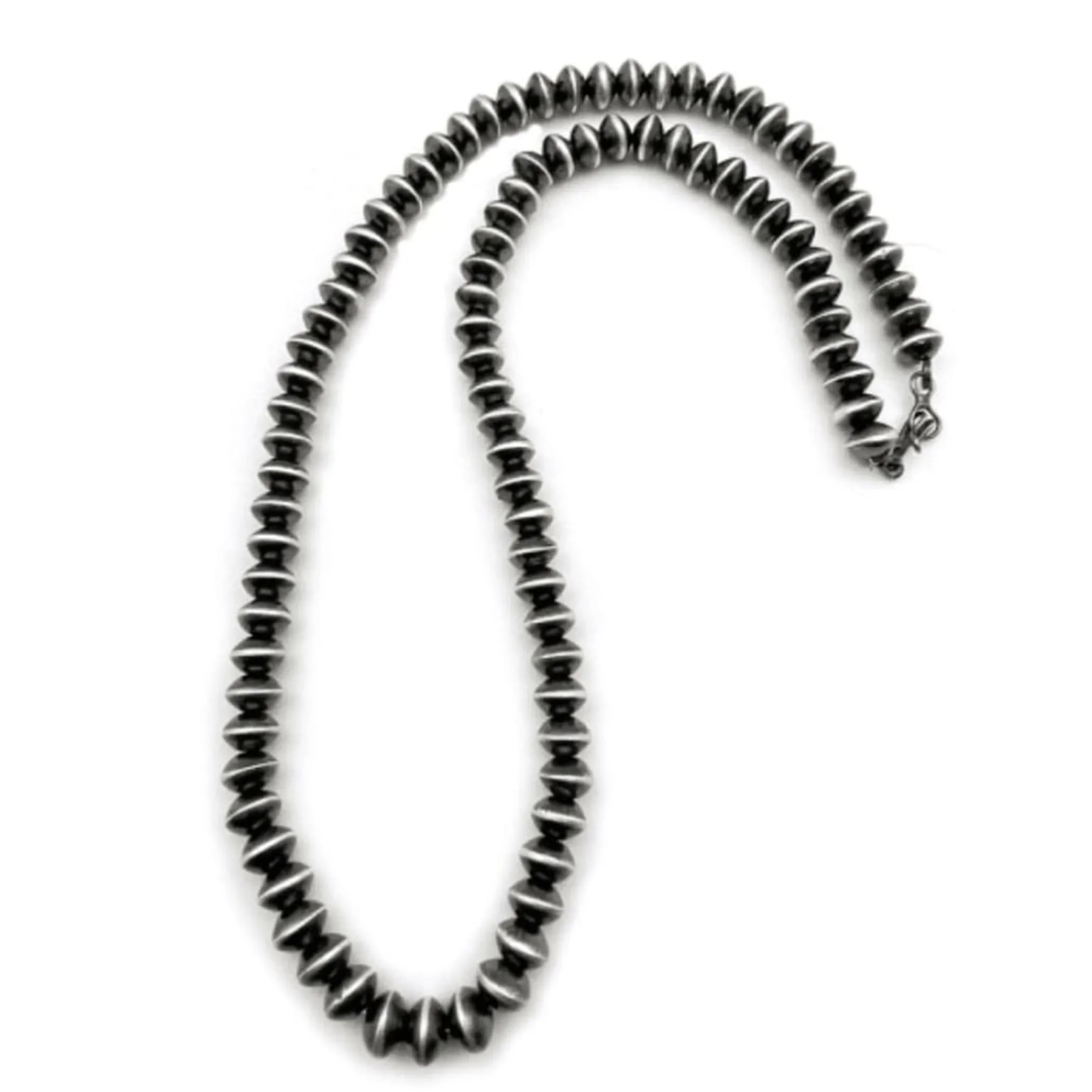
Do not make the mistake of thinking contemporary Indigenous artists are confined to some “traditional” enclave. From Australia to the rest of the world they are at work in film, fashion, installation, photography, political critique and painting. For the visitor or buyer there is a point to be made: a work can be thoroughly of the moment and yet rooted in culture. Authenticity is not to be found in how old-fashioned something appears.
In Practice
Then there is the urban Indigenous practice, text-based work, public art and large-scale installations that figure in triennial programmes and major exhibitions. Artists will draw on humour, language revival, environmental issues, racism, memory and sovereignty. Lately one sees a welcome change in that audiences are coming to terms with Indigenous art as a living thing, not a relic. About time too.
Why You Should Go Through An Art Centre
They are the means by which artists are supported, sales put in order, income comes back to the community and provenance is recorded. An art centre will also see to the marketing, materials, archiving and matters of copyright and cultural governance. It is a far sturdier proposition for the artist, keeping the sharks at bay, and for the buyer the safest way to collect. Better than what you might find at a market stall with a sketchy tale to tell.
Community And Art
In an Indigenous community art is kinship, law, a mode of teaching and communication. A painting may be instruction, celebration, grief and authority combined. Arabella Kinsella is quite direct about it: art is the vehicle for knowledge, no luxury item set apart from the rest of life.
Storytelling And Transmission
Storytelling is of the first importance. Visuals are how seasonal knowledge and ancestral journeys are transmitted along with the obligations of community history. In a way it is education and relationship in one. Which is why to copy a design without leave is no harmless pastime; it robs a story of its meaning and shows no regard for the right to tell it.
Identity and Law
Art can be an affirmation of clan identity, land and the roles one plays in ceremony. It can also put food on the table and put people to work in the studio or in tourism. The Australian Institute of Aboriginal and Torres Strait Islander Studies puts the number of separate Aboriginal and Torres Strait Islander language groups in Australia at over 250, a salutary reminder that one cannot speak of “Indigenous culture” as a monolith. See AIATSIS Map Of Indigenous Australia for an authoritative overview.
A Word of Caution
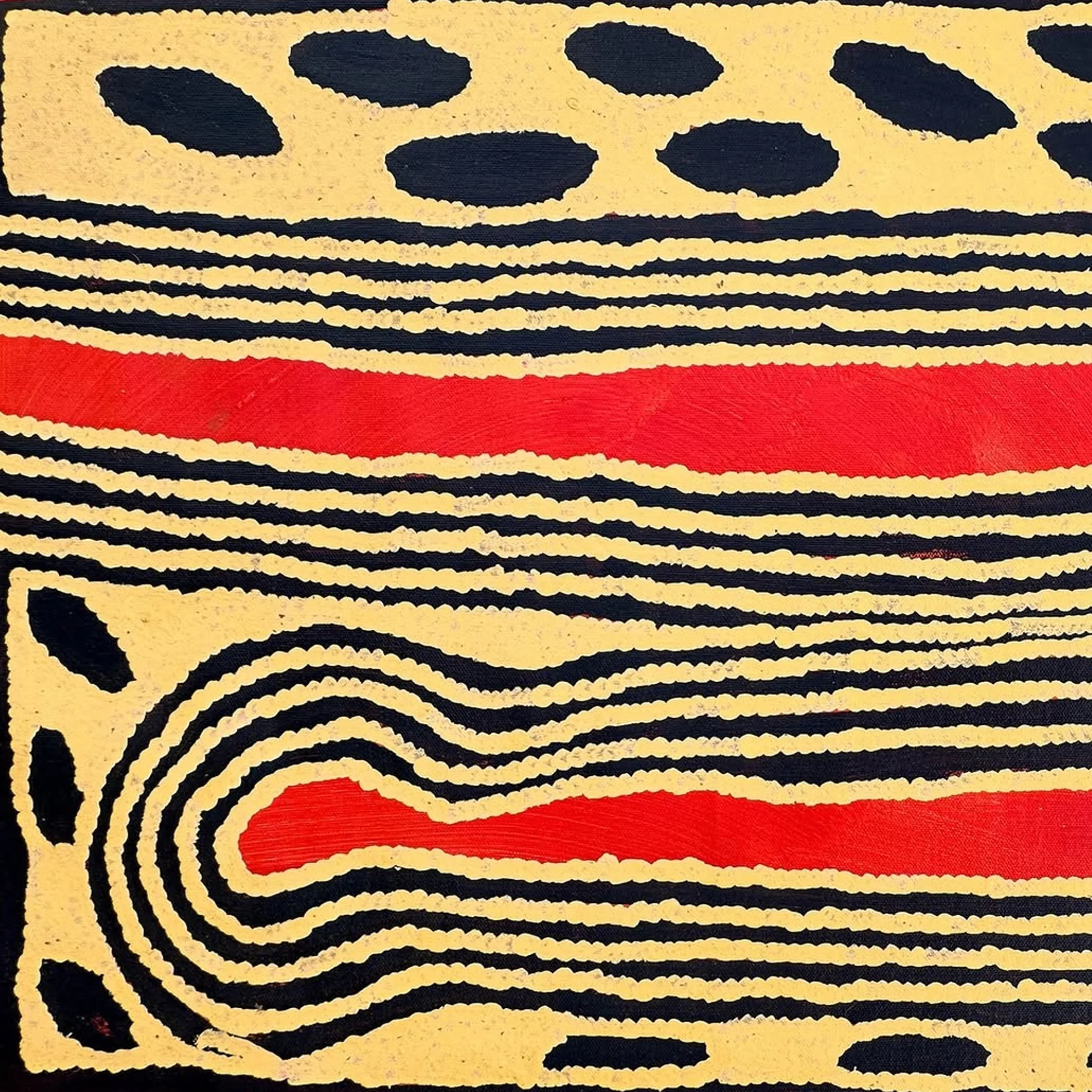
Good intentions will only get you so far when you are looking to buy. Provenance, the question of where the work is from and whether the artist has been paid properly should be on your mind. That is where many come unstuck. The commercial side of this has its share of rubbish operators as well as good ones. A slick pitch and nice packaging can lend respectability to dodgy art much as it can to a tube of moisturiser.
To be sure of authenticity ask for the facts: the artist, the community or language group, paperwork on the provenance and details on the seller. Is it from an art centre or a specialist gallery of repute? There is the Indigenous Art Code as well, an ethical standard for transparent dealings in the market. A member in good standing is a good thing, but do not let that dispense you from the need to go over the paperwork. In the course of your research you will no doubt encounter such as Japingka Aboriginal Art, Art Ark, Creative Native, Mbantua and the CITS (WA Department) resources. They are fine for an initial look at market reputation and provenance, but they should not take the place of putting questions to the seller yourself.
What Buyers Tend to Overlook
“Will it suit my home?” and “Is this a sound investment?” are the usual queries. Nothing wrong with them, yet they tell only part of the story. Put better questions to the table: on what basis was the work sourced? Who is behind it? Has the artist been treated equitably? Is there documentation to put to the public and what is the story?
Then there is cost. Expectations here are all over the map. You can find prints or smaller pieces for a few hundred AUD, but an established artist’s major painting will be in the thousands, if not more. Factor in framing, insurance and shipping, particularly from out of the way places; the sticker price is not the whole budget.
- Get the artist details and any provenance in writing.
- See if the seller is in compliance with the Indigenous Art Code or has a direct line to art centres.
- Be wary of a low price that does not add up, a seller who will not answer straightforwardly or a story left vague.
Where to View Works
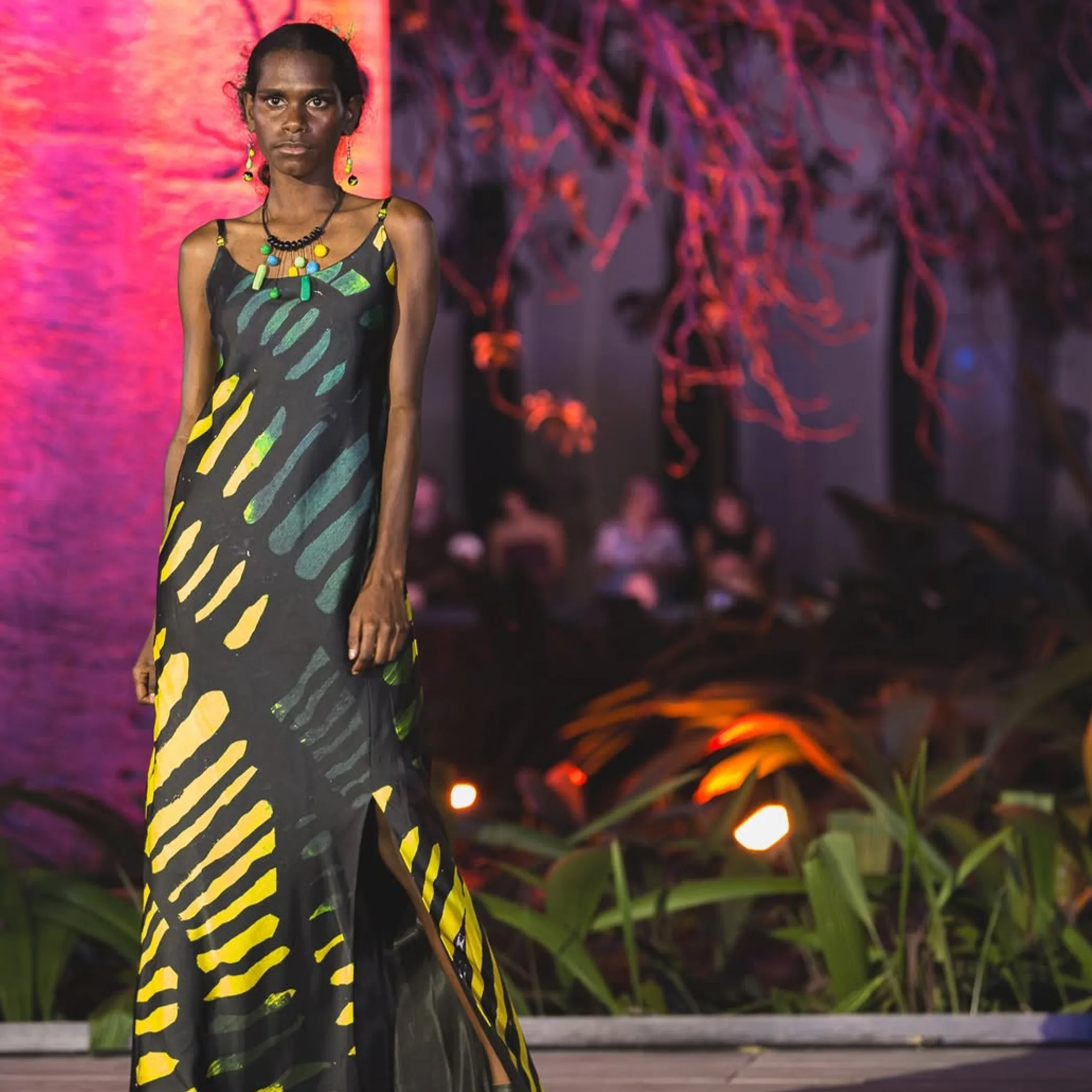
To get the full picture, view works in different settings. The depth and context is to be had at community art centres and specialist spaces, whereas the major public galleries provide breadth. How you go about it is a matter of time and how far one is prepared to travel. A day in the capital is a different proposition to venturing into the Top End or Red Centre where long roads, permits and the weather dictate what can be done.
Some Practical Advice
For a broad public collection the National Gallery of Australia is hard to beat. For regional depth turn to a specialist gallery; for unvarnished, contextual engagement the community-run Indigenous art centres are the gold standard.
Logistics are important when you are in remote country. Town centre parking is at a premium during events, distances are no joke and you may need permission for community access. In the north, a cyclone alert between November and April or a road closure in the wet season will put paid to your plans; in central Australia the summer makes for some trying days on the road. Check on local access before you head up a track.
| Visitor Goal | Best Place To Go | Time | Who For |
|---|---|---|---|
| One-Day Intro | Major public gallery | 2–4 hrs | Short-stay visitors, families, beginners |
| First Work | An art centre or reputable specialist | Half day | Those wanting to ask questions and have provenance |
| Cultural Context in Depth | A guided experience or art centre | A day at least | Researchers, collectors, serious learners |
| Remote Trip | Community art circuit (with planning) | Days | Confident travellers; beginners would be ill advised without guidance |
Making the Most of a Day
Make the major gallery your first port of call and then a good specialist gallery if you have the time. It is a sensible way to gain some historical perspective and a feel for the market without running round town like a chook with a timetable.
For those new to it, a trip to buy in the remoter areas is not the way to start. There is less to compare in the way of staff and documentation. Get your bearings and confidence before you branch out.
Perspective
There is more to Indigenous art and culture than looking at it. It requires a measure of humility and patience to listen. Some stories are for sharing, others are not. As Arabella Kinsella would put it, the lesson is to be methodical: ask the right questions, source ethically and do not confuse being familiar with having understanding. The most telling value is often in the quietest canvas.
Frequently Asked Questions
Once they appreciate the subject is not as straight forward as they might have believed, people have these questions. And why not, it is better to ask than put on a front.
Is it possible to do Aboriginal art if you are not of that background?
Art drawn from your own life is one thing, but to replicate the sacred imagery, community designs or other culturally owned motifs of the Indigenous without leave is harmful and disrespectful. The rule is not to present your work as Aboriginal-style or reproduce their cultural designs unless you have the authority.
The Use of Art in Aboriginal Culture
Storytelling, the imparting of law and culture from one generation to the next, ceremony, teaching, the recording of knowledge and the expression of identity are all things for which art is put to use. It serves to keep a connection with Country and, by way of ethical exhibition and sale, can underwrite the livelihoods of a community.
What constitutes an example of Indigenous Art?
One will find rock and bark painting, dot work, printmaking, weaving, carving, sculpture, fibre work, public murals, photography, installation art or ceremonial body design. The art of Torres Strait Islanders is exemplified by mask-making, lino prints and other visual forms with a marine bent that are of a piece with island life and sea Country.
10 Interesting Facts About Aboriginal Art
Some facts in point: it is part of a cultural tradition as old as any in the world and more than just a matter of painting; there is no national meaning to be found in its symbols; dot painting is a regional affair. Ochre holds cultural value and some stories are off limits. Art may be the vessel for kinship and law. Then there is the role of community art centres in ensuring fair dealing and the fact that today’s Indigenous artists are at work in major art forms on a global stage. As for authenticity, provenance is what matters, not how it looks.
How to determine if a work is authentic
Look at the artist and any documents of provenance, see that the sourcing is above board and there are ties to an art centre or community. Ethical market practice would have them involved with the Indigenous Art Code. A seller who cannot account for where the piece has been, who made it or what the artist was compensated should give one pause.
- Get to know the region before the pattern.
- Put questions of provenance ahead of price.
- Regard culture as living knowledge rather than something for décor.
