When it comes to buying a squeegee for general wet cleaning and shower screens, silicone is the better overall option for most homes in Australia. This is mostly because silicon lasts for longer, is resistant to mould and does not require a lot of effort to use and maintain. But if we talk about window cleaning and need a perfectly crisp cleaning on flat glass, a good quality rubber squeegee blade is the best option that gives clean and streak-free results assuming, of course, that the technique is good as well.
So if we wanted to answer the question in the shortest way possible: silicone is better suited for home use, while rubber has its advantages when it comes to window cleaning. This is a guide that has been written in an easy way and is very clear so that you would know if a better silicone or rubber squeegee has to be purchased in order to avoid market-oriented mess. My name is Arabella Kinsella, and this is the type of comparison that may sound not very big until you stand in a supermarket holding two very similar tools and do not understand why one of them costs much more that another.
Quick Answer

If you are required to wipe shower screens, mirrors, tiles, and other wet surfaces at home, silicone squeegee is surely the right choice. This is because of several reasons: better squeegee durability, better chemical resistance, longer blade life, etc.
If you need a squeegee for cleaning windows, especially for large flat surfaces, most likely, you will need rubber squeegee. The reason is that many professional cleaning tools contain rubber-based blades – especially gum rubber is used. Of course, everything depends on climate, technique, replacement of blades, and not only on the material they are made of.
How the Blade Works
Squeegee looks simple but the blade itself has to do a lot of tricks. In particular, it should have enough flexibility in order to stay in contact with the surface, be hard enough not to bend, and have a good blade edge not to smear water on the surface like a kid with jam on his or her hands.
The whole point in using a squeegee is controlled removal of water. A good squeegee is able to form a uniform pressure line when used on glass, which results in streak-free cleaning on glass instead of mess and some frustrations.
Why Material Matters
Silicone and rubber are two materials that have different abilities when it comes to their bending capabilities, their ability to recover, their how they get worn out or damaged. Because of these factors the performance differs on flat and curved surfaces, the cleaning expectations, and the easiness of using them no matter whether or not your technique is good enough.
Difference Between the Materials
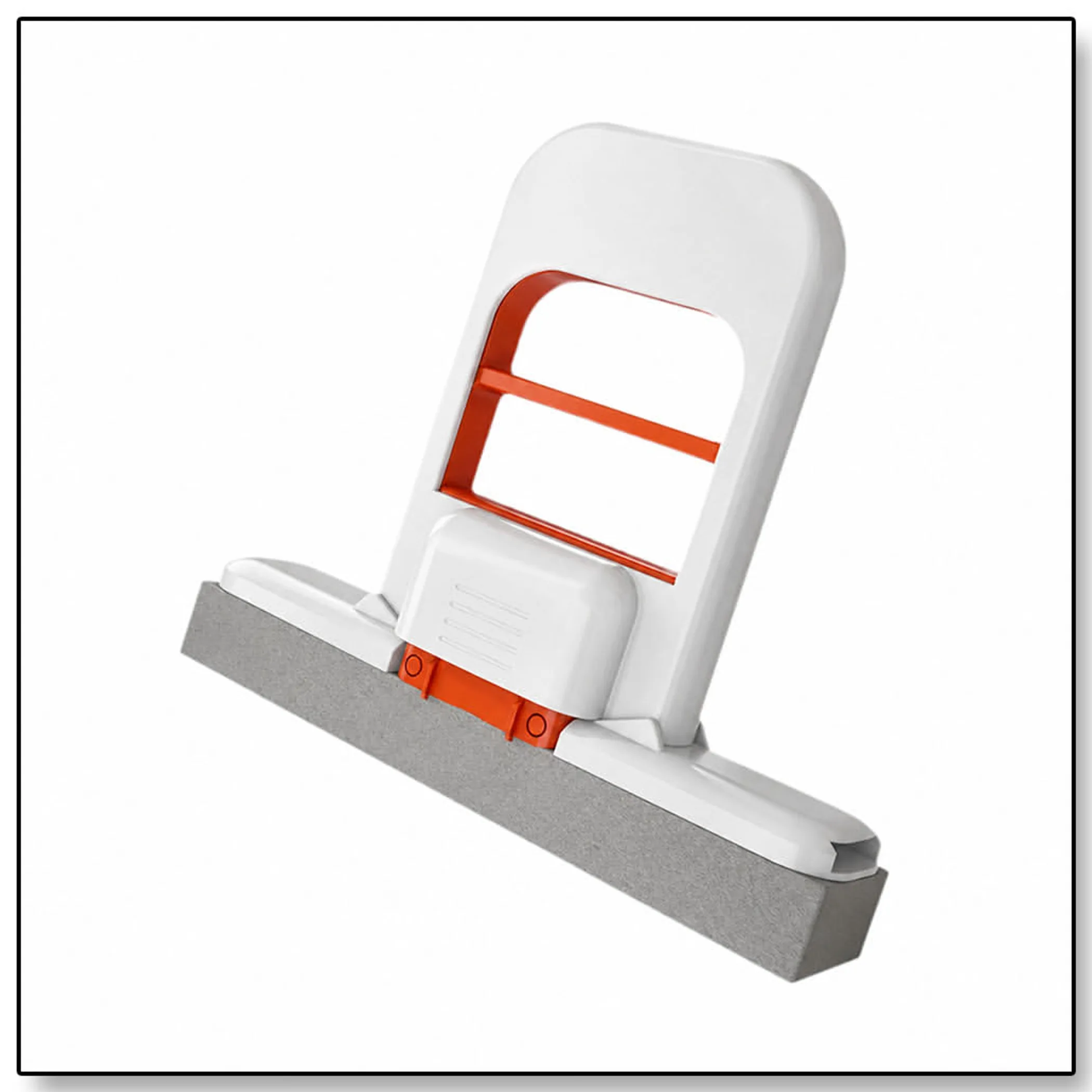
This is how the comparison of silicone vs rubber squeegees is useful. In theoretical materials seem very similar, but in practice, the difference is quite significant. I am a person who has used both materials at home and for cleaning glass, mirrors, and tiles as well. The cleanest cleaning results with both materials became obvious only long after cleaning them when both of them were experiencing steam, and laziness.
Silicone Squeegee
Silicone squeegee always feels a bit smoother and more forgiving for uneven and curved surfaces. Silicone is also quite able to deal with moisture, heat and cleaning products, which is very useful in bathrooms because there is soap scum, dust due to hard water and humidity on a daily basis in such places.
The most important benefit is that in normal domestic conditions, silicone is resistant to wear. Silicone blades are less likely to become brittle and break, and they still function well, even if people do not dry or store them very carefully.
Rubber at a Glance
A rubber squeegee, and especially a gum rubber one, is often considered to be the best option for removing water from flat glass. In cool and moderate conditions, freshly installed rubber blades glide well and leave less water than many types of softer silicone blades, which are used for domestic purposes.
But rubber can be more capricious and more prone to wear and tear or becoming damaged. Rubber squeegees create better results at extreme temperatures, in sunny weather or in the presence of some cleaning chemical agents. Special types of rubber multi-blends can resist chemical reactions, but they still need some care.
Comparison of Performance Characteristics
| Feature | Silicone Blade | Rubber Blade |
| Best Use | Showers, tiles, mirrors, support surfaces | Flat glass, window washing, professional modification directions |
| Flexibility | Usually higher | Moderate to high, depending on the composition used |
| Hardness | Soft | Sharp edge |
| Wear Resistance | Usually the best | Usually the worst if not taken care of properly |
| Chemical Resistance | Typically very good | Varies according to the mixture and other factors |
| Streak-Free Finish On Flat Glass | Good | Can be perfect when the blade is new |
| Blade Life | Long life | Usually shorter but great output quality on glass |
| Maintenance Care | Not high | Higher than for silicone squeegees |
| Cost Vs Longevity | The best ratio | Less margin |
When Each One Works The Best
Not every wet surface works the same way. Flat window glass is one type of material. The glass for the shower screen, with soap residue, metal edging, and some hard water marks is the other type of material altogether.
It is for this reason that when comparing squeegee blades, it is necessary to take into account the task itself, not just make comparison in terms of the material used for making squeegees. The best squeegee to use for the shower may not be the best one for washing window glass, which is quite normal and does not mean any marketing disasters.
On Glass and Windows
When it comes to the glass windows and sliding glass doors, rubber usually works better. Professionals prefer rubber squeegees because fresh rubber blades do not leave too much water behind, especially on flat and smooth glass if they are used correctly.
Such conclusions comply with the statements of users on platforms like Reddit r/WindowCleaning, training videos such as YouTube’s HARD OR SOFT SQUEEGEE RUBBER | TRAINING, and videos provided by commercial cleaning companies like I-Team ANZ and Tennant, which usually consider important to use good blades in terms of their condition and performance. While different types of rubber are important, a worn-out blade is a worn-out blade.
On Shower Screens
Rubber may work well for removing stains from flat or smooth glass, but if people remember that in a bathroom there is not only glass, but also steam, body products, splashes of toothpaste and all the things people face in the bathroom, then rubber becomes less attractive. Rubber works well on flat and smooth surfaces, but it quickly loses its properties. The same can be said about good performances of squeegees in bathrooms, where silicone is the best solution.
Persons frequently attribute blame to the material while they are unaware that the fault lies behind the dirty blade, incorrect angle, or the presence of leftovers on the surface. Even though you use the best kind of blade, if used on dirty glass, it will not perform well.
Another mistake is buying solely based on softness. Keep in mind that soft does not mean better. Too soft on a completely flat surface will cause vibration and omission of edges.
- If you clean the glass in the shower frequently, silicone is much better to deal with in the long run.
- If you clean the windows every couple of weeks, rubber is stronger quite often when you need a polished result.
- If the blade has chips or bends, you need to change it before blaming the technique.
- If you use strong products in the bath, you need an option with more resistance towards chemicals than that can be read on the packaging.
How Long Do They Last

This is the part that buyers skip and then start asking questions why their good tool behaves like wet-glue. Squeegee maintenance is what determines whether the blade will live for months or feel cheap after two weeks.
It is important to wash the blade after each use, take away leftovers, and make sure that the edge is not touching the bottom of the shelf.
When it comes to maintaining shower blades, silicone wins. However, if you store and rinse the rubber squeegee properly, it can perform very good during its lifetime three times shorter than that of silicone products.
There is no information on the lifetime of blades used at home as the frequency in use can vary so much that it does not offer any valid statistics. However, suppliers provide information that is both severe and recurrent, where rubber blades are considered performance-oriented and more often require replacements while silicone ones last longer.
As far as practical purposes are concerned, if you clean your shower once a day, you may have a workable squeegee for several months. However, cleaning professionals require higher standards and may change rubber squeegees much more often than that. HomeSmiles, Bob Vila, and BrightTools talk about the tool wearing as a major factor causing streaks on the glass.
Routine Care
The maintenance is quite simple: wash it after you finish cleaning. If you have used bathroom cleaners, it is also recommended to wash the blade even before any contact.
For broader household product safety and chemical-use guidance, ACCC product safety information for Australian consumers is a solid official starting point.
Accurate Pricing
Price is important, still, the frequency with which the tool needs replacing is also key. A cheaper product may end up costing much more if you clean windows every day.
In most cases, you will pay slightly more because silicone products can cost a bit higher than rubber ones.
When to Use Silicone
Silicone is definitely a better option if you expect a lot from one tool, coping with wet environments, kids, and poor cleaning habits.
When to Use Rubber
Rubber is a perfect option if your main goal is ultimate cleanliness of glass. Think of it as the high-maintenance overachiever of the cleaning cupboard.
Why Pros Still Use Rubber

Considerations of professionals have less to do with contemporary preferences, and more with the finish that you get. Many window cleaners still prefer gum rubber or specific rubber compounds because they offer precision and a clean edge contact to flat glasses.
That does not mean that the silicone is inferior as a whole. It means that professional squeegee blades are designed and selected for a specific goal: fast and predictable glass results. Ordinary users need more flexibility than perfection of a result.
Industry Patterns
Recently, one can see a commenting on some specialized professional cleaning platforms that have rather clear and consistent distribution. Rubber is prevailing in dedicated window cleaning, and silicone is popularized in cleaning tools for shower places and household uses where convenience and durability don’t matter much as much as the quality of contact.
Temperature impacts the preferences, too. Some professionals change the rigidity of the blades based on the temperature conditions, choosing soft or hard rubber, as it influences the drag and finish. This is exactly the reason why broad statements like “silicone is better for everyone” or “rubber is always the best” do not work.
How To Choose Yours
The proper selection depends on the surface of cleaning, the frequency of use, and the level of your patience. That is to say: what exactly are you going to clean?
If you have just one day to think it over, and want the rational answer right away, think about your primary use – there is no real reason for you to devote so much time to the glamorous once-a-month window cleaning, when you go to shower the first thing in the morning.
| Your Main Use | Best Material | Why |
| Daily shower screen wipe-off | Silicone | Long-lasting, less hassle, moisture-friendly |
| Bathroom mirrors/tiles | Silicone | Flexible on assorted surfaces |
| Large flat house windows | Rubber | Clean glass finish with a good technique |
| Commercial window cleaning | Rubber | Industry standard for precise glass cleaning |
| Workshop or wet floor pushing | Urethane | Good abrasion resistance for heavier jobs |
| One tool for everything | Silicone | The best universal tool for most households. |
On Choosing Products
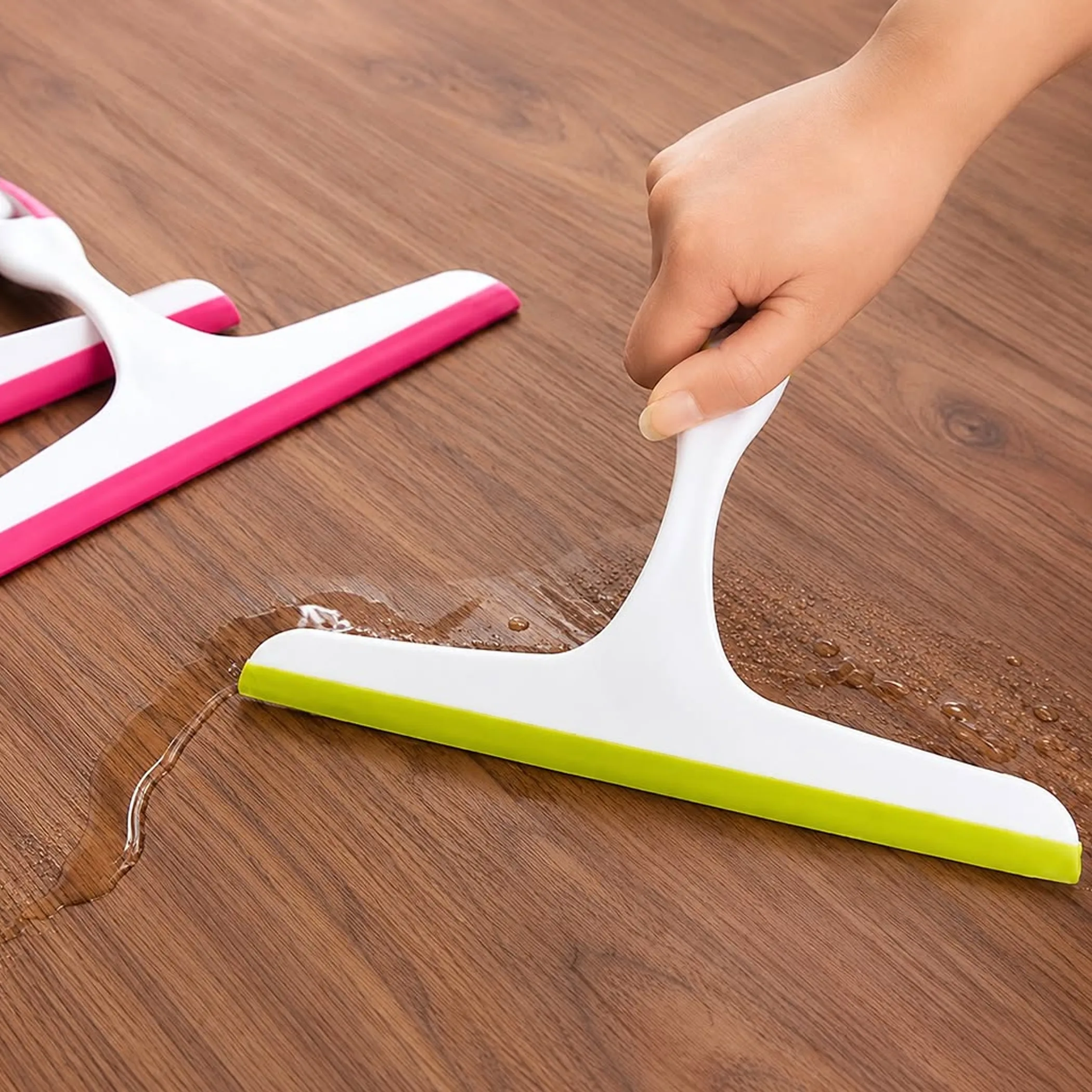
Instead of searching for a miraculous tool, focus on the combination of a blade and a frame that will work well for you. In Australia, it is really between the compact silicone bathroom models, replaceable rubber window tools, and heavier cleaning products with urethane options.
Expectation vs Reality: The most appealing handle is not as important as the straight edge of the blade and the grip, which is comfortable. The tools that are not meant for beginners are those that cost really cheap and do not have proper channels/handles.
- For showers: choose a silicone blade with a comfortable, non-slip handle and a width that suits your screen.
- For windows: choose a replaceable rubber blade system rather than a sealed cheapie.
- For cleaning tiles or floors: look for a broader head and, if needed, a urethane squeegee for tougher wear.
- For busy households: prioritise easy rinsing, hanging storage and simple blade replacement.
My Final Take
If anyone asked me what to buy tomorrow, it would be the same answer.
For standard bathroom and general use, silicone squeegees tend to perform better because they are durable, water resistant, and are easier to maintain than other materials. For flat windows, rubber may still perform effectively in cleaning glass.
Frequently Asked Questions

These are the questions people usually ask once they realise the blade material actually does matter. Fair enough too. It is a small tool with a strangely large capacity to annoy.
What is the best squeegee material?
The best squeegee material also depends on the job at hand. Typically, silicone is the best design type for showers, bathrooms, and also general wet conditions. Rubber is the best design type for cleaning the windows, and urethane is the best for very heavy duty floor cleaning.
What kind of squeegee do professional experts use?
Most professional window cleaners tend to use rubber squeegee blades – they use gum rubber blades – because they clean flat glass surfaces efficiently and effectively. In addition, they usually replace the blades regularly, which enhances the quality of their job.
Are there any disadvantages of silicone rubber squeegees?
Sometimes, silicone rubber can be excessively soft for flat glass because an edge made of rubber may have less residual water on it. In addition, users may notice some drag with the silicone material, and this requires some adjustment.
How often should I replace my squeegee blade?
One should always replace their squeegee blade when it has some nicks, bending, or excessive streaking occurs even after proper cleaning. If it is used at home, such occurrences may take a few months. Compared to domestic squeegees, professional squeegees need to replaced very frequently because the conditions of their use are very different.
